


10,12€
Auf Lager
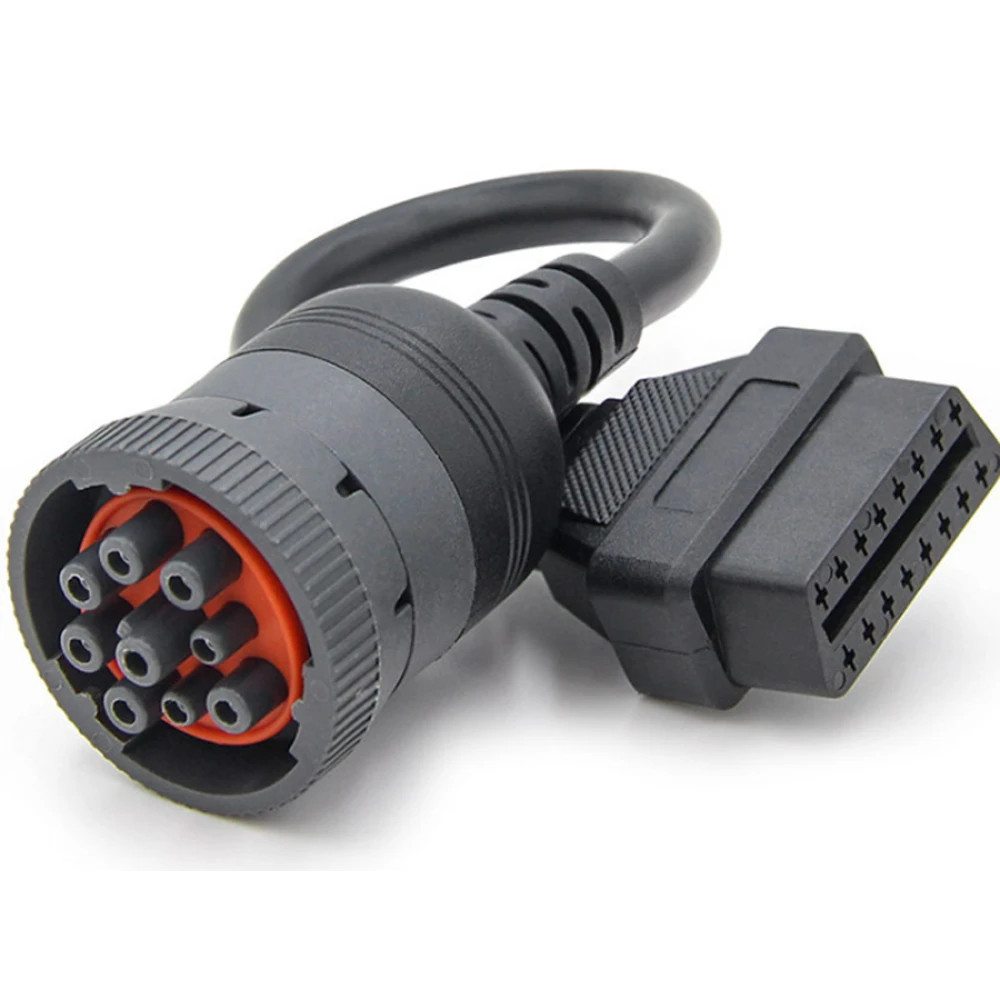
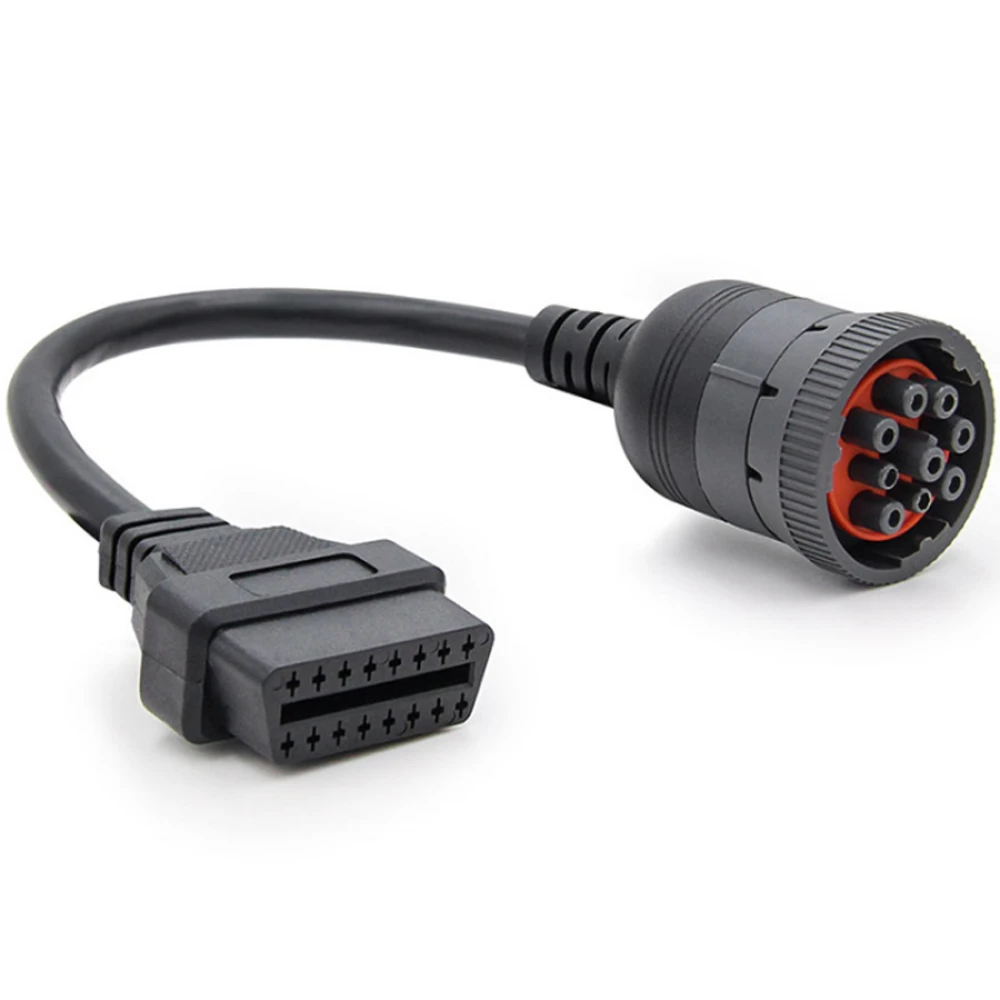
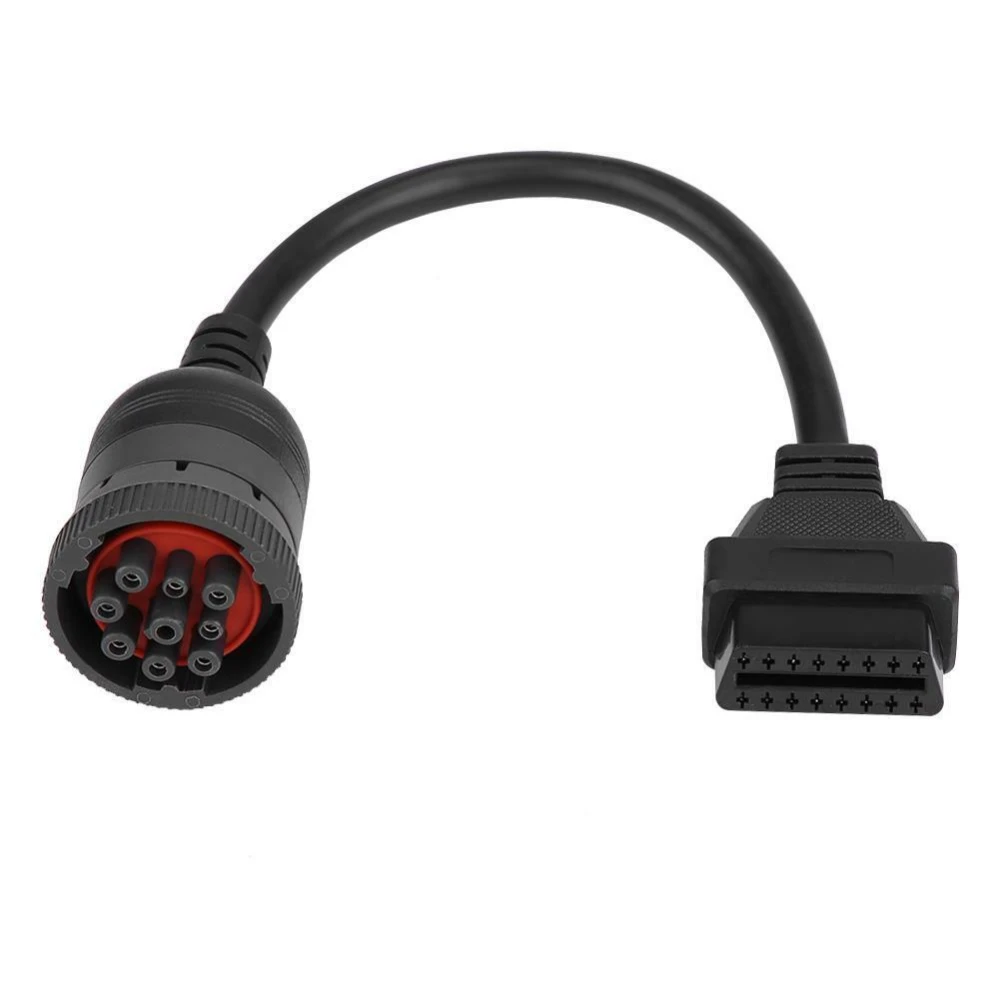
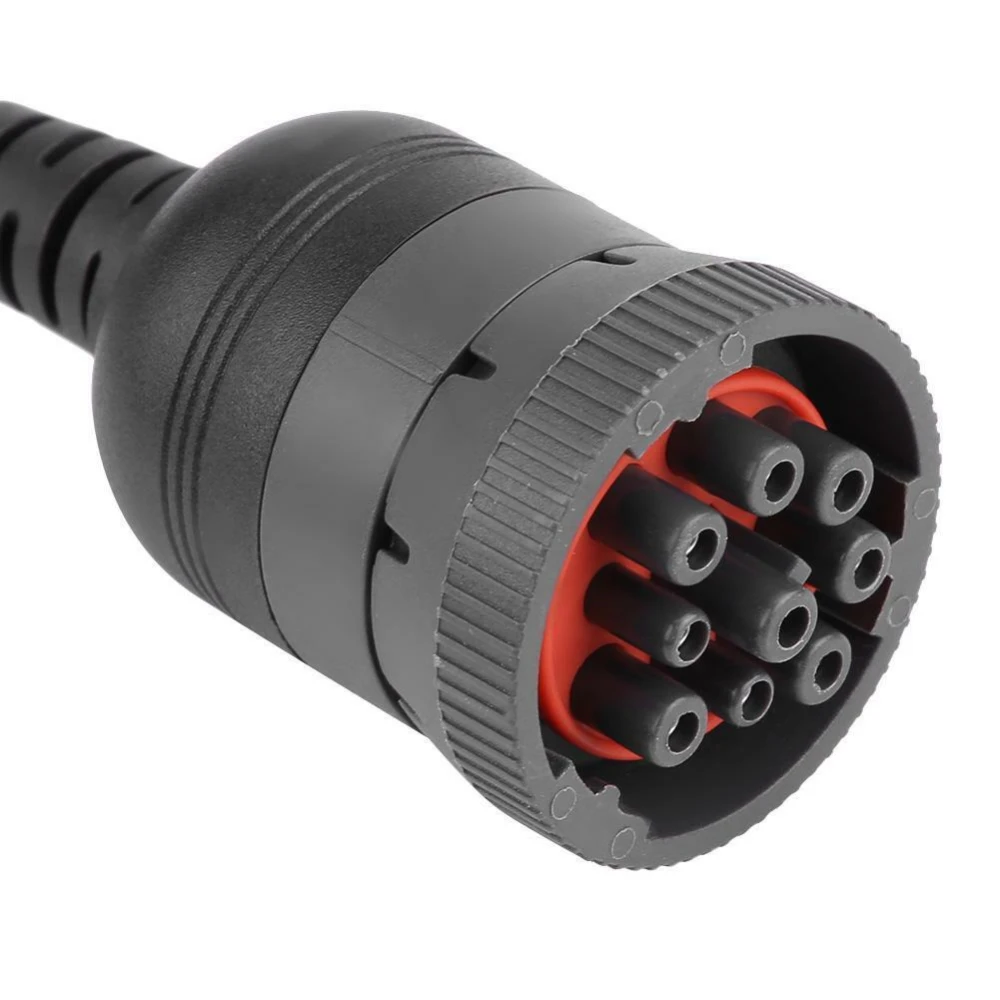
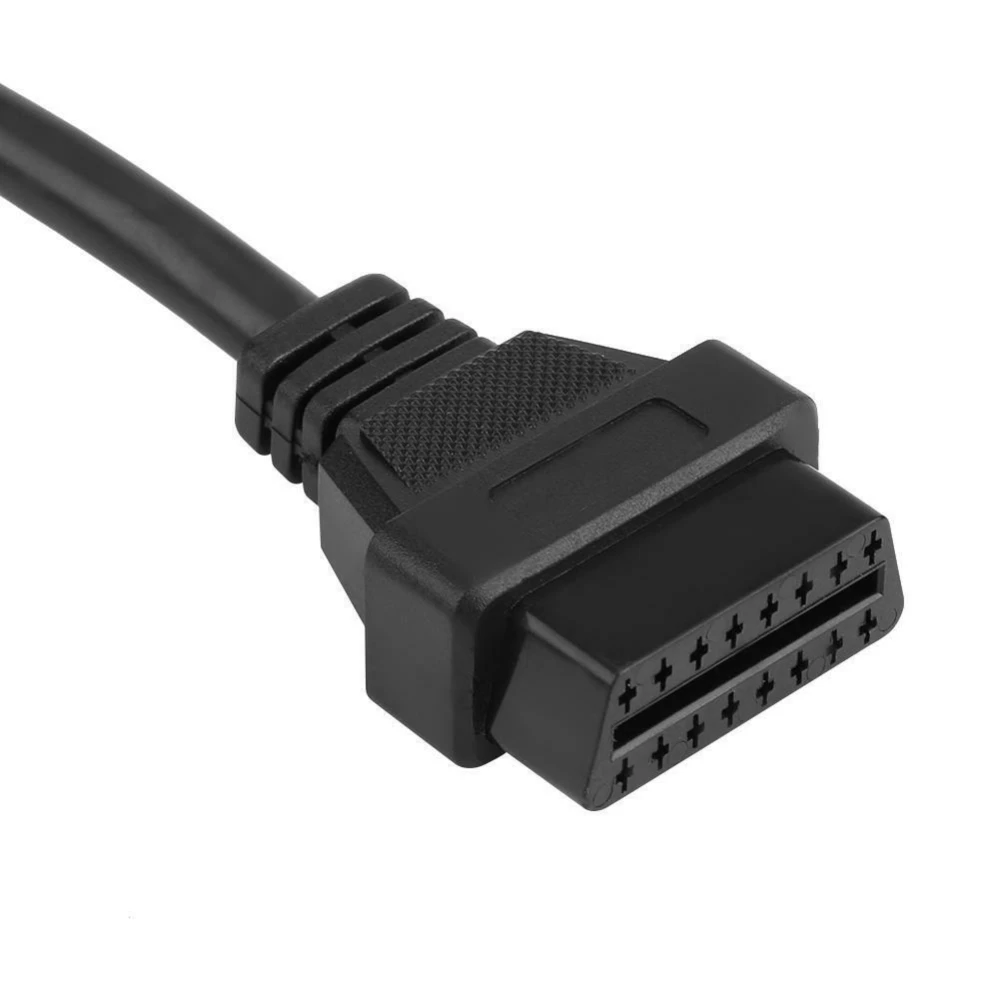
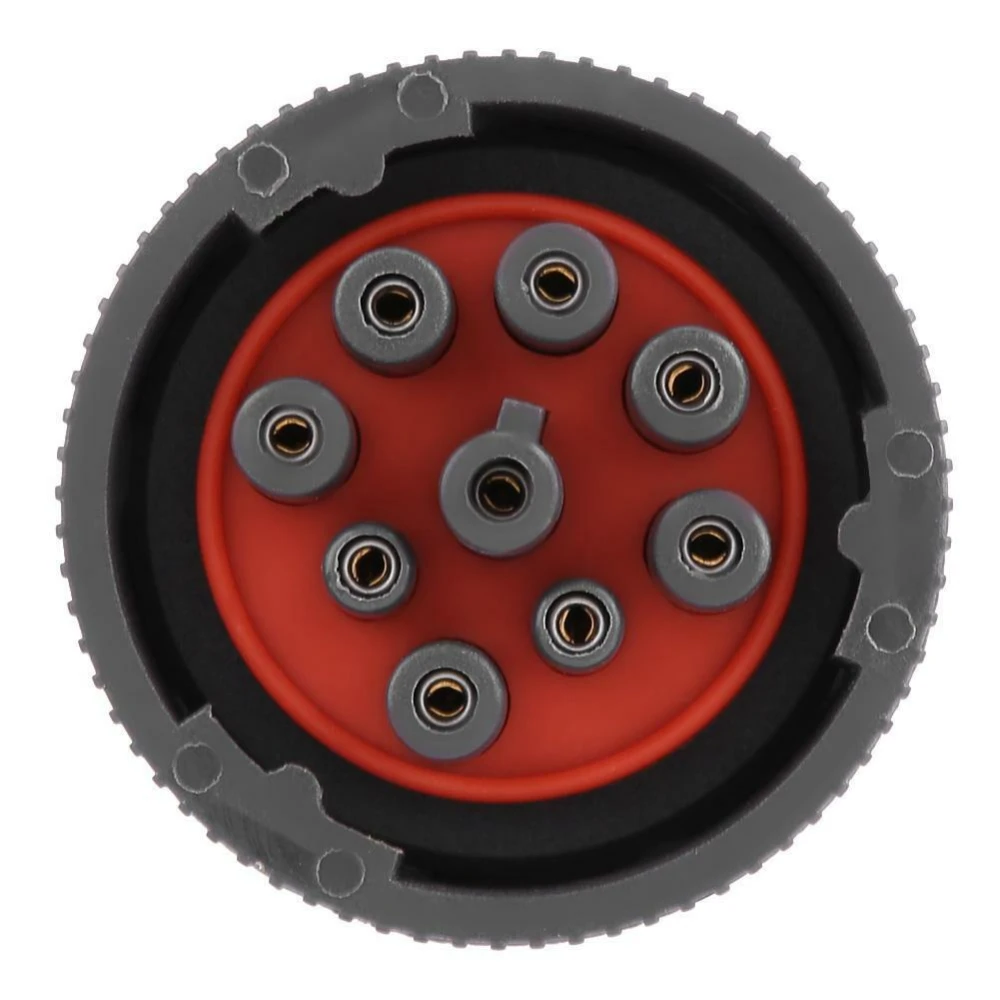
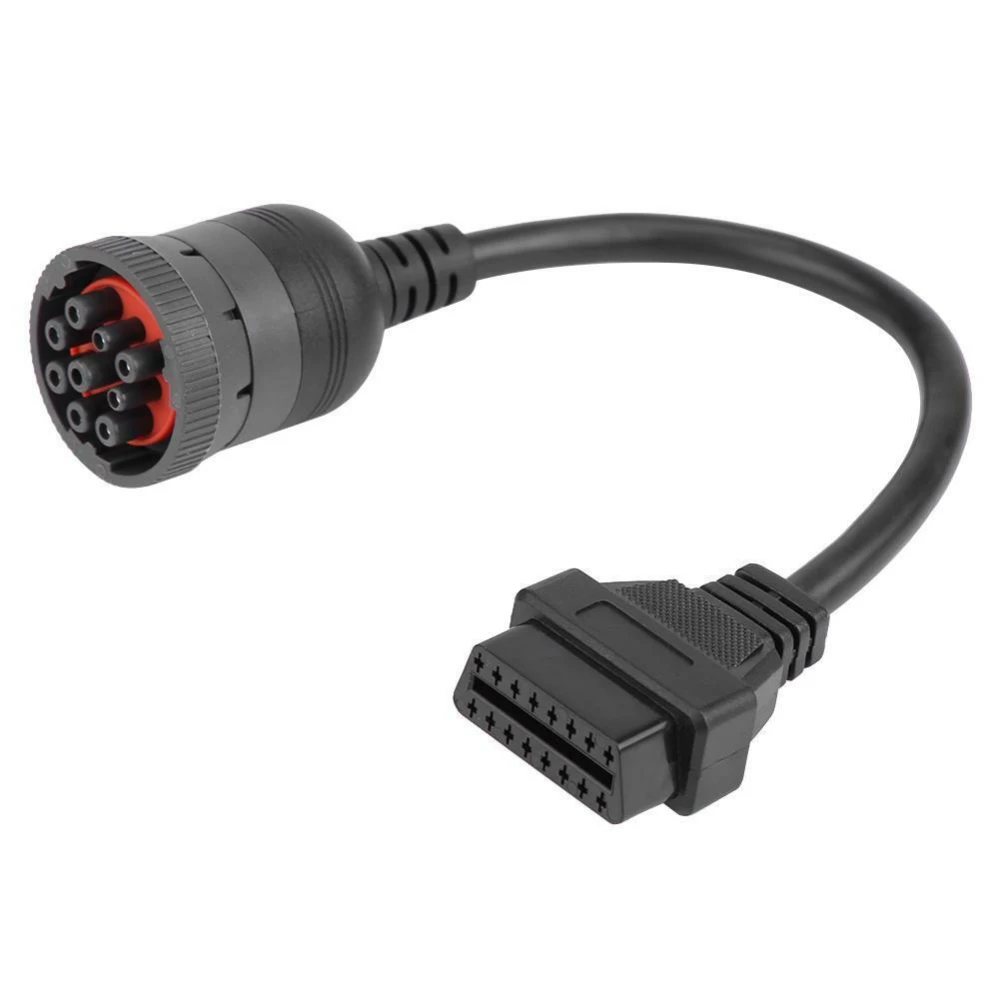
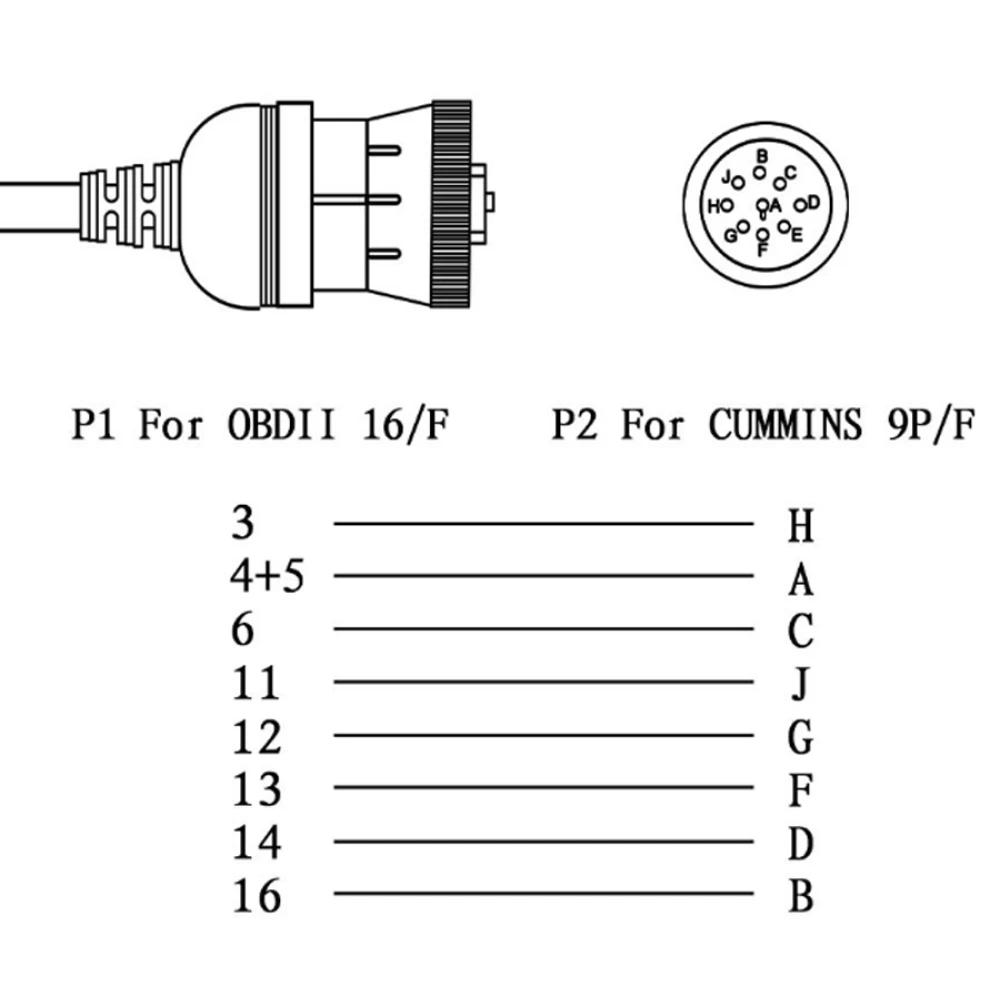
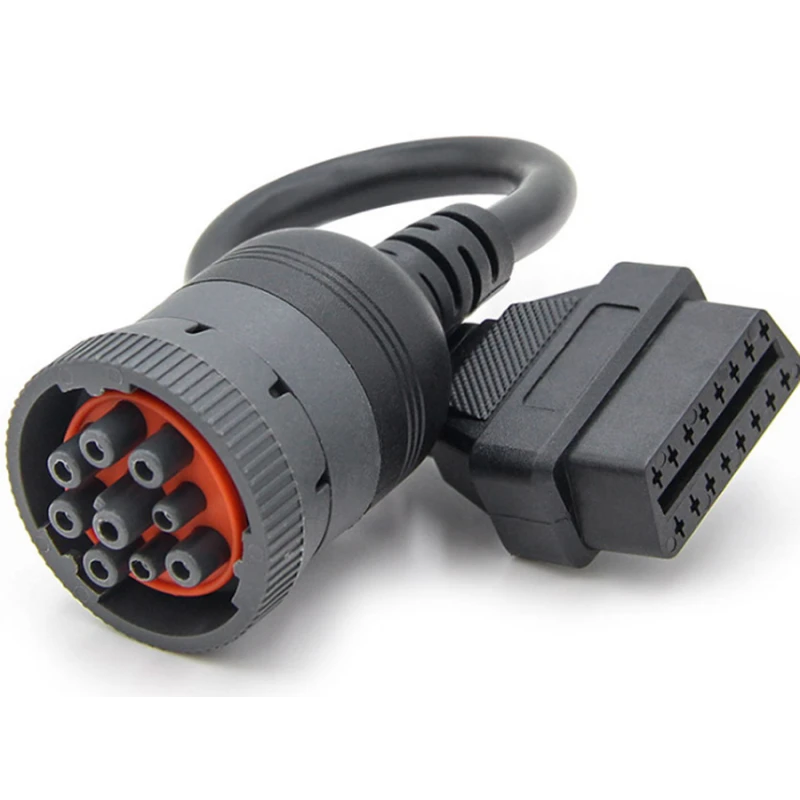
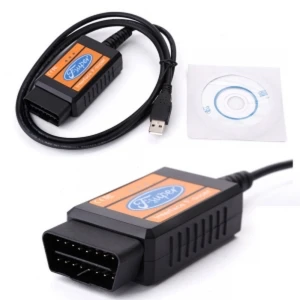
J1939 Adapterkabel 9Pin auf OBD2 16Pin für professionelle Diagnose
Marke: satkit
10,12€
Inkl. MwSt. (Exkl. MwSt.: 8,50€)
Begrenzter Vorrat
Standardlieferung
Mi, Apr 22 - Fr, Apr 24
Expresslieferung
Mo, Apr 20 - Di, Apr 21
30 Tage Rückgaberecht
Kostenlose Rücksendung innerhalb von 30 Tagen
Sichere Transaktion


Share:
Kostenlose Lieferung
Bei Bestellungen ab 300€
Einfache Rücksendung
30 Tage Rückgaberecht
Sichere Zahlung
100% sicherer Checkout
Qualitätsgarantie
Nur Originalprodukte
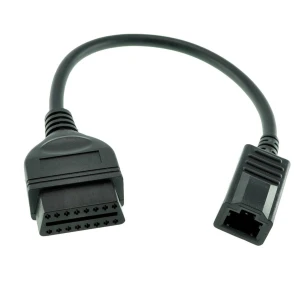
J1939 Adapterkabel 9Pin auf OBD2 16Pin
Dieses Adapterkabel ist ein unverzichtbares Zubehör für Werkstätten und Privatnutzer, die Diagnosesysteme in Nutzfahrzeugen und industriellen Anwendungen verbinden müssen. Hergestellt von Satkit, bietet es eine zuverlässige Lösung für die Verbindung zwischen J1939-9-Pin- und OBD2-16-Pin-Schnittstellen.
Wichtige Merkmale:
- Robuster und hochwertiger Adapter, für den professionellen und privaten Einsatz entwickelt.
- Kompatibel mit standardisierten J1939-Protokollen für schwere Lkw und Diesel-Fahrzeuge.
- Ideal für Anwendungen in Straßen- und Offroad-Fahrzeugen, Schiffsantrieben, Stromerzeugung und Industriepumpen.
- Hochwertiges PVC-Material für Flexibilität und Verschleißfestigkeit.
- Kompakte Größe und geringes Gewicht erleichtern Lagerung und Transport.
Technische Daten:
- Gesamtlänge des Kabels: 29 cm.
- Breite der flachen Schnittstelle: 4,2 cm.
- Ungefähmer Kabeldurchmesser: 4 cm.
- Farbe: Schwarz.
Typische Anwendungen:
- Diagnose an schweren Lkw mit J1939-Protokoll.
- Anschluss für OBD2-Diagnosegeräte in Diesel-Fahrzeugen.
- Anwendungen in maritimen Systemen und Industrieanlagen mit J1939-Kommunikation.
Kompatibilität: Kompatibel mit Fahrzeugen und Geräten, die J1939-9-Pin- und OBD2-16-Pin-Stecker verwenden, insbesondere im Bereich Lkw, Industriemaschinen und maritime Anwendungen.
Wichtig: Dieses Produkt ist ausschließlich ein Adapterkabel. Es ist kein Diagnosegerät, sondern ein Zubehör zum Verbinden kompatibler Diagnosegeräte.
Lieferumfang:
- 1 x J1939 Adapterkabel 9Pin auf OBD2 16Pin
- Robuster und hochwertiger Adapter für professionelle Diagnose.
- Kompatibel mit J1939-Protokollen für schwere Lkw und Diesel-Fahrzeuge.
- Flexibles und strapazierfähiges PVC-Material für den langfristigen Einsatz.
- Kompakte Größe: 29 cm Länge, leicht zu transportieren.
- Ideal für Fahrzeuge, Marine, Stromerzeugung und Industriepumpen.
Kundenfragen & Antworten
Quins dispositius o eines de diagnosi són compatibles amb aquest cable adaptador J1939 de 9 pins a OBD2 de 16 pins?
Aquest adaptador és compatible amb eines de diagnosi que tinguin connector OBD2 estàndard (16 pins) i requereixin comunicar-se amb vehicles equipats amb interfície J1939 de 9 pins, habitualment camions pesants i equips industrials. És important verificar que l’eina suporti el protocol J1939 abans d’utilitzar el cable, ja que l’adaptador només converteix la interfície física i no tradueix protocols.
Necessito fer algun tipus d’instal·lació especial o ajust per fer servir aquest adaptador correctament?
No requereix instal·lació especial. Simplement connecteu l’extrem de 9 pins al port J1939 i l’extrem de 16 pins a l’eina OBD2. Assegureu-vos que totes dues connexions quedin fermes per evitar fallades de comunicació. Eviteu doblegar excessivament el cable per preservar-ne la integritat.
Quines limitacions té aquest adaptador pel que fa a voltatge, corrent o entorns d’operació?
Aquest cable és només un adaptador passiu, sense components electrònics actius ni conversió de senyal; suporta els voltatges típics de comunicació J1939/OBD2 (generalment entre 12 V i 24 V, segons el sistema). No està dissenyat per a ambients extrems: l’ús recomanat és entre -20°C i 60°C i lluny de l’exposició directa a líquids o contaminants forts.
Quina diferència funcional hi ha entre aquest cable i altres adaptadors OBD2-J1939 que inclouen circuits electrònics?
Aquest model només adapta el pinout físic entre J1939 de 9 pins i OBD2 de 16 pins, sense convertir protocols ni aïllar senyals. Altres adaptadors més avançats poden incorporar circuits per a conversió activa, aïllament o protecció contra pics de voltatge. Si l’ús requereix adaptació de senyals, cal seleccionar un adaptador actiu.
Which diagnostic devices or tools are compatible with this 9-pin J1939 to 16-pin OBD2 adapter cable?
This adapter is compatible with diagnostic tools that have a standard OBD2 connector (16 pins) and need to communicate with vehicles fitted with a 9-pin J1939 interface, commonly heavy trucks and industrial equipment. It is important to check that the tool supports the J1939 protocol before using the cable, as the adapter only converts the physical interface and does not translate protocols.
Do I need to carry out any special installation or adjustment to use this adapter correctly?
No special installation is required. Simply connect the 9-pin end to the J1939 port and the 16-pin end to the OBD2 tool. Make sure both connections are secure to avoid communication faults. Avoid bending the cable excessively to preserve its integrity.
What limitations does this adapter have in terms of voltage, current or operating environments?
This cable is only a passive adapter, with no active electronic components or signal conversion; it supports the typical communication voltages for J1939/OBD2 (generally between 12 V and 24 V, depending on the system). It is not designed for extreme environments: recommended use is between -20°C and 60°C and away from direct exposure to liquids or heavy contaminants.
What functional difference is there between this cable and other OBD2-J1939 adapters that include electronic circuits?
This model only adapts the physical pinout between 9-pin J1939 and 16-pin OBD2, without converting protocols or isolating signals. Other more advanced adapters may include circuits for active conversion, isolation or protection against voltage spikes. If signal adaptation is required, an active adapter should be chosen.
Which diagnostic devices or tools are compatible with this 9-pin J1939 to 16-pin OBD2 adapter cable?
This adapter is compatible with diagnostic tools that have a standard OBD2 connector (16 pins) and need to communicate with vehicles fitted with a 9-pin J1939 interface, commonly heavy-duty trucks and industrial equipment. It is important to check that the tool supports the J1939 protocol before using the cable, as the adapter only converts the physical interface and does not translate protocols.
Do I need to carry out any special installation or adjustment to use this adapter correctly?
No special installation is required. Simply connect the 9-pin end to the J1939 port and the 16-pin end to the OBD2 tool. Make sure both connections are secure to avoid communication faults. Avoid bending the cable excessively to preserve its integrity.
Kundenbewertung schreiben
Kunden, die diesen Artikel gekauft haben, kauften auch
Yamaha OBD2 Diagnosekabel 3Pin auf 16 Pin für Motorräder kompatibel und langlebig
8,93€
Nur noch 5 auf Lager
Ihre zuletzt angesehenen Artikel

 J1939 Adapterkabel 9Pin auf OBD2 16Pin für professionelle Diagnose
10,12€