

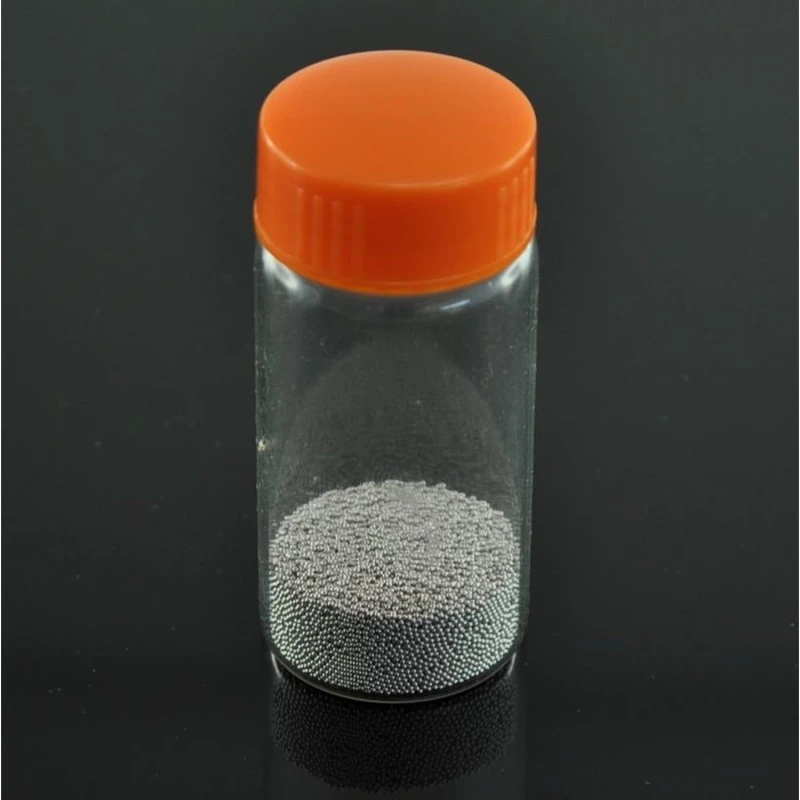
Lötkugeln bleifrei 0,25mm 25.000 Stück für Elektroniklöten
Marke: Pmtc
Inkl. MwSt. (Exkl. MwSt.: 6,00€)






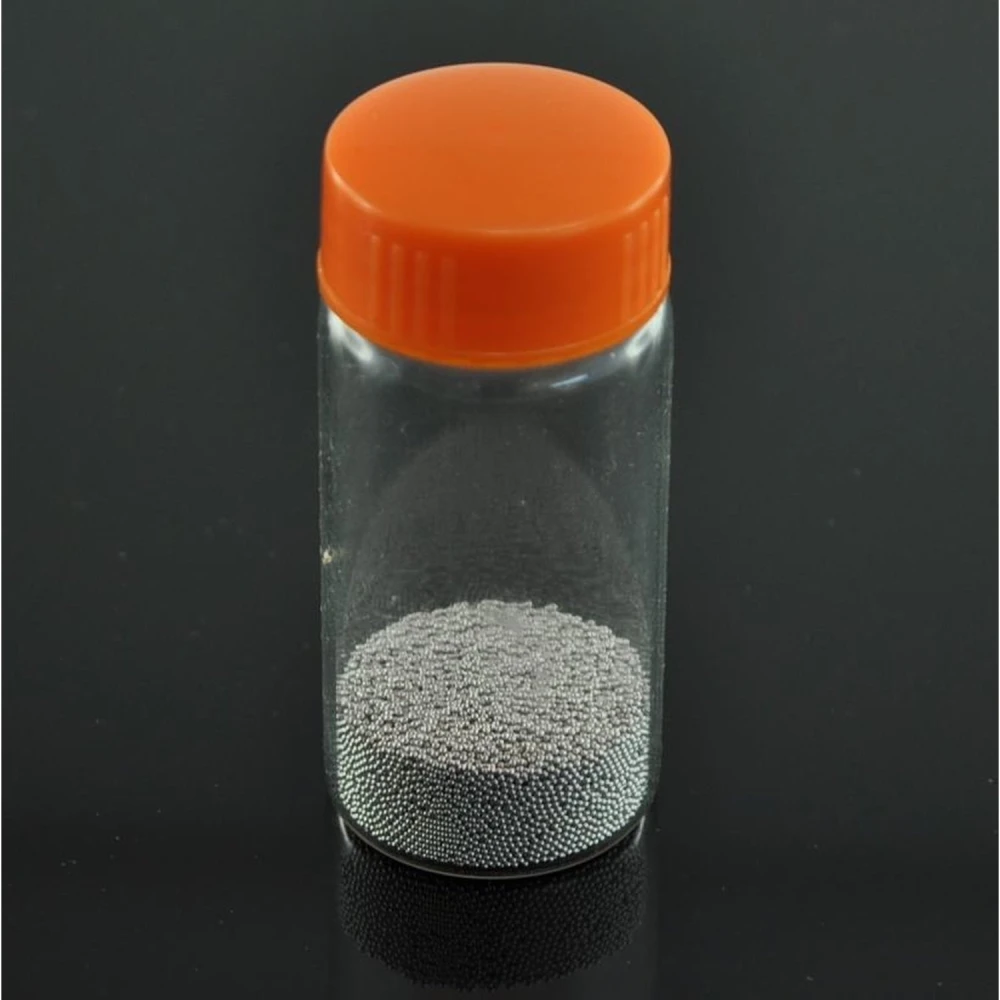
Die Lötkugeln bleifrei 0,25mm 25.000 Stück sind ein Spezialprodukt für Anwendungen im Elektroniklöten, besonders geeignet für Reballing-Prozesse und die Reparatur von BGA-Bauteilen. Dieses Produkt sorgt für sauberes und effizientes Löten ohne Blei und erfüllt damit Umwelt- und Sicherheitsanforderungen.
Hauptmerkmale:
- Zusammensetzung: 96.5% Zinn (Sn), 3.0% Silber (Ag), 0.5% Kupfer (Cu), für hervorragende Leitfähigkeit und mechanische Festigkeit.
- Größe der Kugeln: 0,25 mm, ideal für präzise Arbeiten in der Elektronik.
- Menge: 25.000 Stück pro Behälter, für einen ausreichenden Vorrat bei mehreren Reparaturen oder Projekten.
- Hersteller: Profound Material Technology (PMTC), bekannt für Qualität bei Lötmaterialien.
- Herkunft: Taiwan, mit hohen Fertigungsstandards.
- Bleifreies Produkt: Entspricht den RoHS-Vorgaben für sichereres und umweltfreundlicheres Arbeiten.
Typische Anwendungen:
- Reballing von BGA-Chips und elektronischen Bauteilen.
- Reparatur und Wartung von Leiterplatten.
- Löten an professionellen Stationen für Präzisionselektronik.
Kompatibilität: Kompatibel mit Lötstationen und Reballing-Werkzeugen, die mit bleifreien 0,25 mm Lötkugeln arbeiten.
Dieser Behälter mit Lötkugeln ist eine professionelle Lösung für Techniker und Hobbyanwender, die hochwertige Materialien für bleifreies Löten benötigen. Obwohl derzeit nicht auf Lager, empfehlen wir, die Wiederverfügbarkeit im Blick zu behalten, um dieses unverzichtbare Produkt für Elektroniklötarbeiten nicht zu verpassen.
- 96.5Sn-3.0Ag-0.5Cu Zusammensetzung für hohe Lötqualität
- Bleifreie Lötkugeln 0,25 mm für präzise Elektronikarbeiten
- 25.000 Stück pro Behälter für vielfältige Anwendungen
- Hergestellt von Profound Material Technology (PMTC) in Taiwan
- Ideal für Reballing und die Reparatur von BGA-Bauteilen
- Entspricht den RoHS-Vorgaben für sicheres und umweltfreundliches Löten
Kundenfragen & Antworten
Are these 0.25 mm balls compatible with all BGA reballing processes, or are there usage restrictions?
The 0.25 mm diameter is suitable for fine-pitch BGA chips, common in mobile devices. It is not universal: before use, check the BGA package specifications, as for pitches above 0.5 mm they may be insufficient. It is essential to verify the mesh pattern or stencil used.
What handling and storage precautions are recommended to prevent oxidation or contamination of the solder balls?
It is recommended to store the jar sealed, in a dry environment and at a temperature between 15-25 °C. Avoid humidity above 50% and contact with dust or grease. Use clean anti-static tweezers and non-reactive plastic containers during handling. Do not leave exposed to open air for long periods.
What are the typical dimensional tolerances of the balls and what impact does this have on reballing performance?
The typical tolerance for 0.25 mm balls is ±0.01 mm. Tolerances outside this range can cause poor alignment and weak contact in BGA reballing processes, creating risks of short circuits or cold joints.
What performance and reliability difference can be expected when using lead-free SAC305 balls compared with alternatives such as Sn63Pb37 in industrial environments?
SAC305 offers greater mechanical strength and complies with lead restrictions, but requires a higher soldering temperature. Sn63Pb37 (with lead) usually flows better at a lower temperature (183 °C vs 217 °C), which minimises thermal stress on sensitive PCBs. In industrial environments regulated by RoHS, only SAC305 is acceptable.
Are these 0.25 mm balls compatible with all BGA reballing processes, or are there usage restrictions?
The 0.25 mm diameter is suitable for fine-pitch BGA chips, common in mobile devices. It is not universal: before use, check the BGA package specifications, as for pitches above 0.5 mm they may be insufficient. It is essential to verify the mesh pattern or stencil used.
What handling and storage precautions are recommended to avoid oxidation or contamination of the solder balls?
It is recommended to store the jar closed, in a dry environment at a temperature between 15-25 °C. Avoid humidity above 50% and contact with dust or grease. Use clean anti-static tweezers and non-reactive plastic containers during handling. Do not leave exposed to open air for long periods.
What are the typical dimensional tolerances of the balls and what impact does this have on reballing performance?
The typical tolerance for 0.25 mm balls is ±0.01 mm. Tolerances outside this range can cause poor alignment and weak contact in BGA reballing processes, creating risks of short circuits or cold joints.
What performance and reliability difference can be expected when using lead-free SAC305 balls compared with alternatives such as Sn63Pb37 in industrial environments?
SAC305 offers greater mechanical strength and complies with lead restrictions, but requires a higher soldering temperature. Sn63Pb37 (with lead) usually flows better at a lower temperature (183 °C vs 217 °C), which minimises thermal stress on sensitive PCBs. In industrial environments regulated by RoHS, only SAC305 is acceptable.
Är dessa 0,25 mm-kulor kompatibla med alla BGA-reballingprocesser eller finns det användningsbegränsningar?
Diametern 0,25 mm lämpar sig för BGA-chip med fin pitch, vanliga i mobila enheter. Den är inte universell: kontrollera kapslingens BGA-specifikationer innan användning, eftersom den kan vara otillräcklig för pitches över 0,5 mm. Det är viktigt att verifiera nätets eller schablonens mönster.
Vilka hanterings- och förvaringsåtgärder rekommenderas för att undvika oxidation eller kontaminering av tennkulorna?
Det rekommenderas att förvara burken stängd, i en torr miljö och vid en temperatur mellan 15–25 °C. Undvik luftfuktighet över 50 % och kontakt med damm eller fett. Använd rena antistatiska pincetter och icke-reaktiva plastbehållare vid hantering. Utsätt inte produkten för fri luft under längre tid.
Kundenbewertung schreiben
Kunden, die diesen Artikel gekauft haben, kauften auch

Ihre zuletzt angesehenen Artikel