



4,17€
Auf Lager
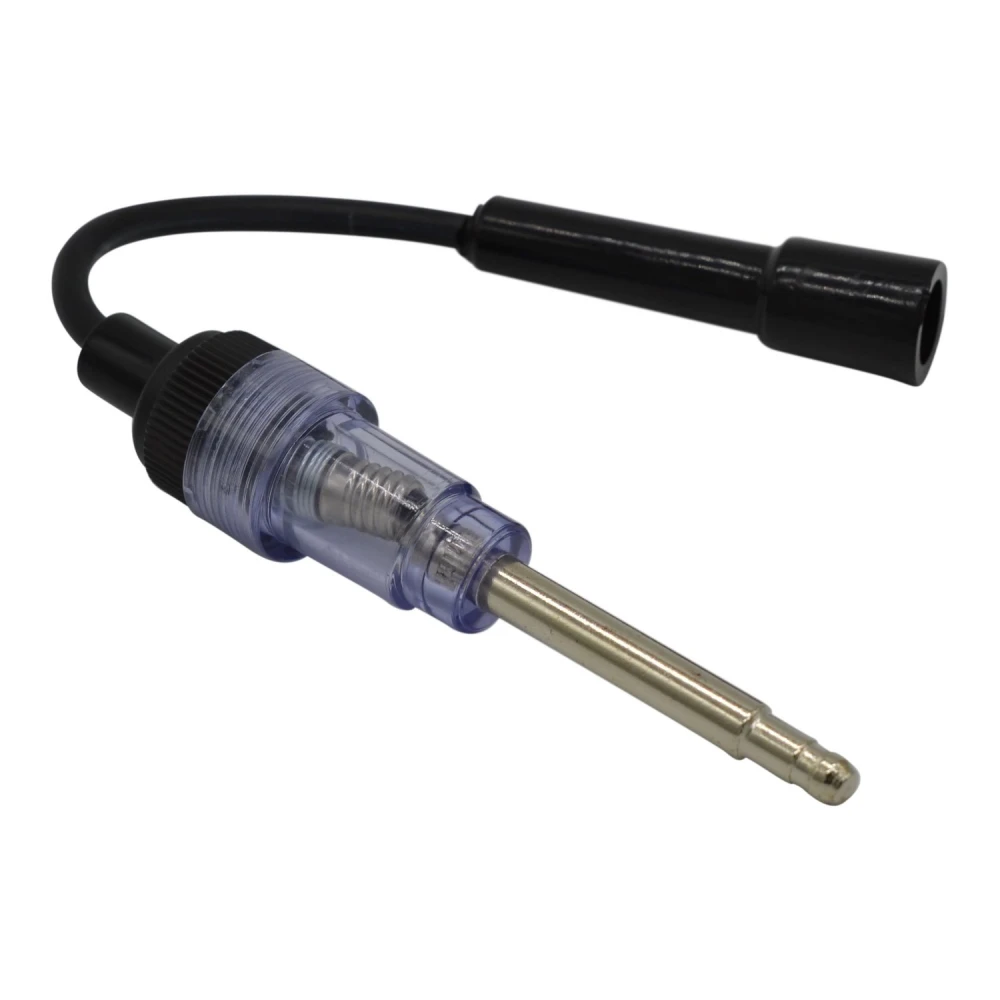
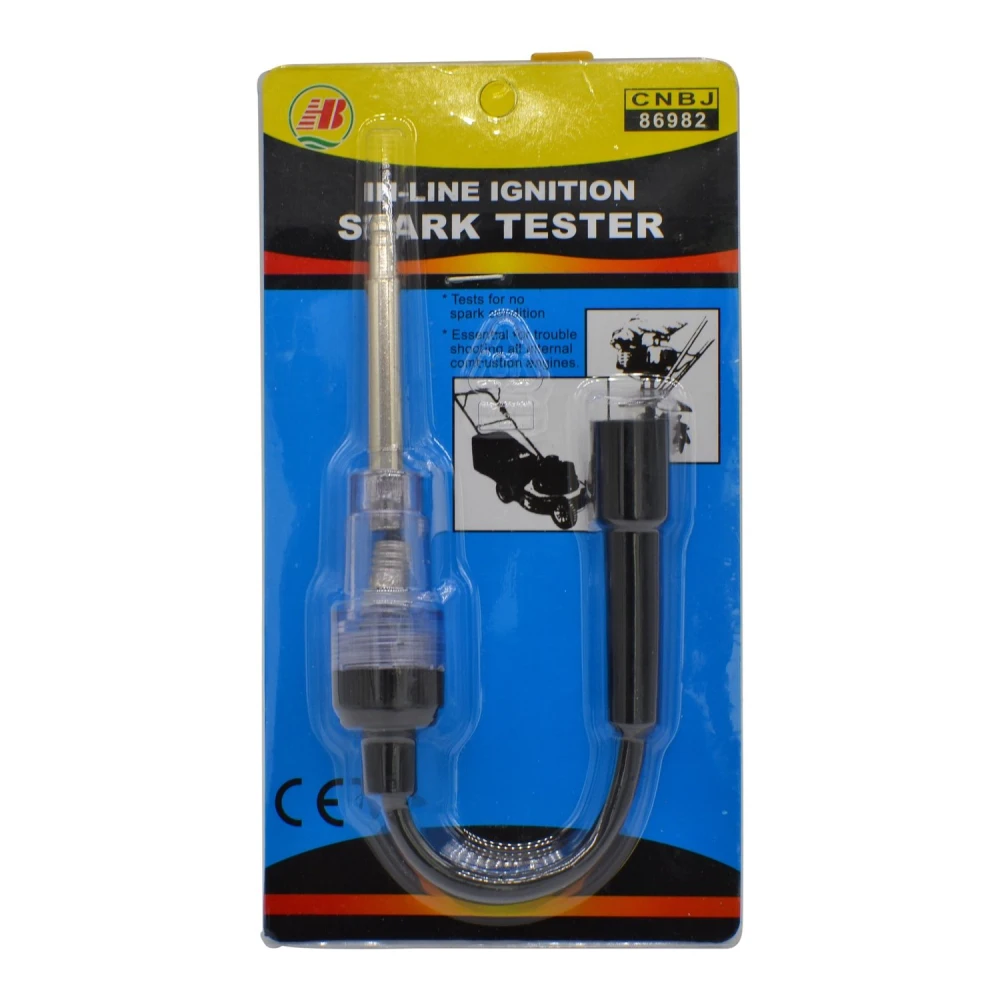
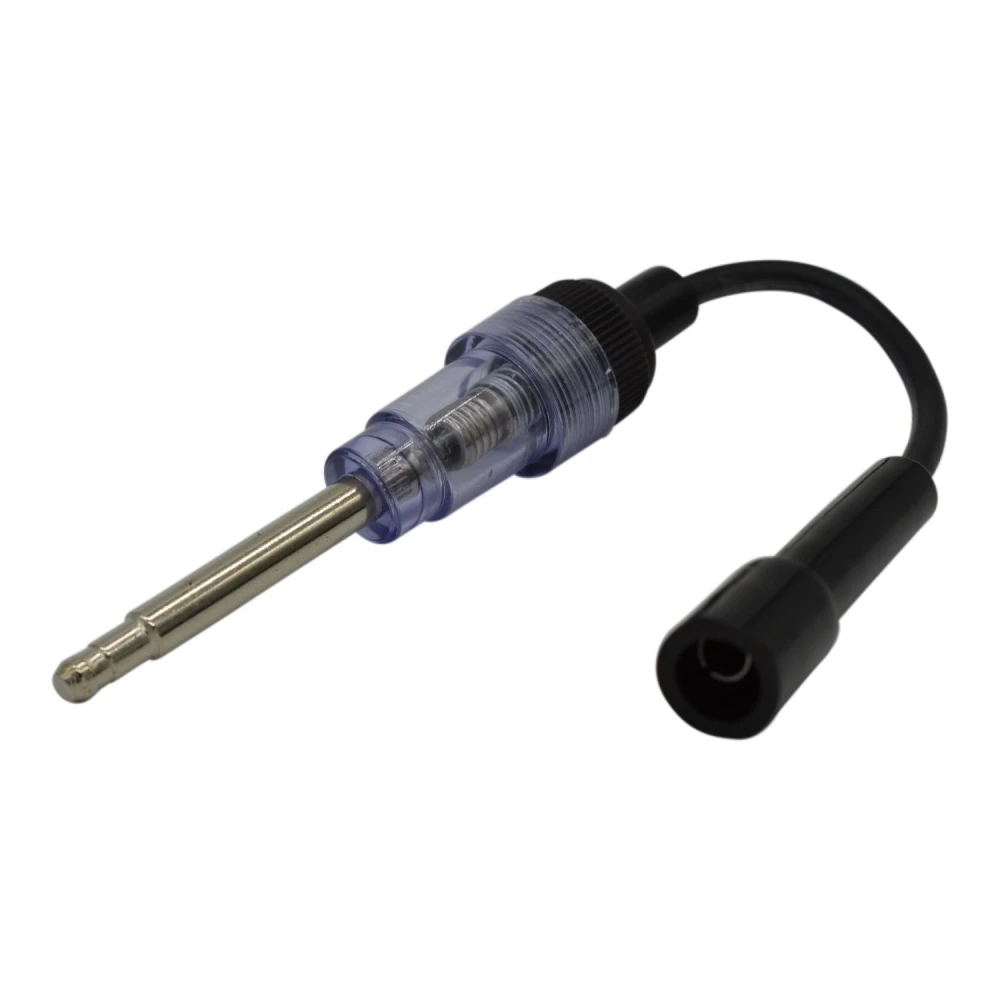

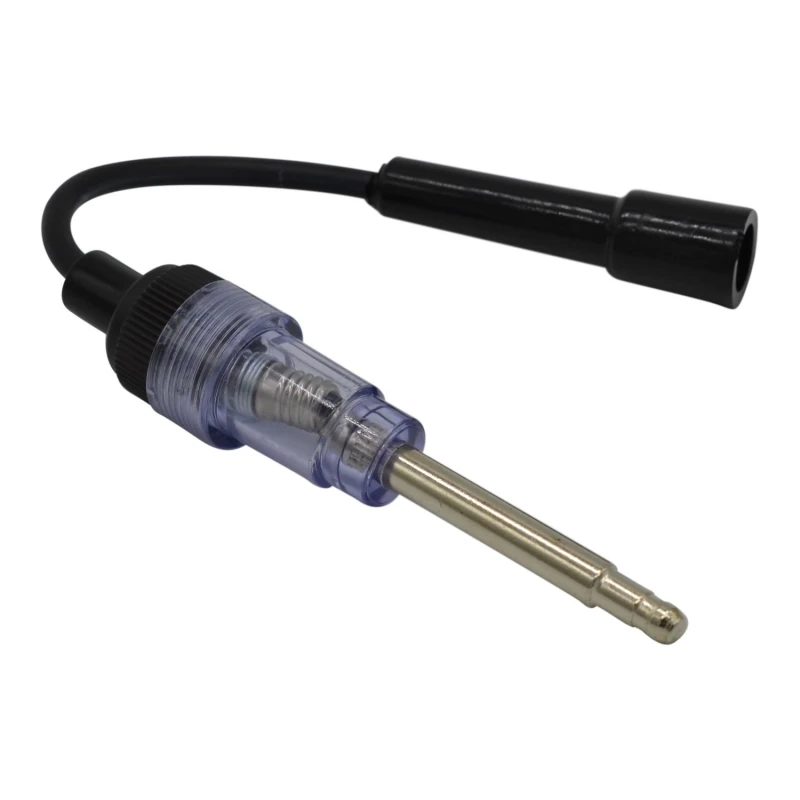
Zündkerzen-Tester für Auto und Motorrad TSX TOOL
Marke: TSX TOOL
4,17€
Inkl. MwSt. (Exkl. MwSt.: 3,50€)
Auf Lager - Sofort versandfertig
Standardlieferung
Mi, Apr 22 - Fr, Apr 24
Expresslieferung
Mo, Apr 20 - Di, Apr 21
30 Tage Rückgaberecht
Kostenlose Rücksendung innerhalb von 30 Tagen
Sichere Transaktion






Share:
Kostenlose Lieferung
Bei Bestellungen ab 300€
Einfache Rücksendung
30 Tage Rückgaberecht
Sichere Zahlung
100% sicherer Checkout
Qualitätsgarantie
Nur Originalprodukte
Zündkerzen-Tester für Auto und Motorrad
Dieser Diagnosetester ist ein praktisches und sicheres Werkzeug zur Prüfung der Zündanlage von Motoren mit Zündkerzen. Hergestellt von TSX TOOL, ist dieses Gerät ideal für professionelle Mechaniker und Hobby-Schrauber, die den Zündzustand von Fahrzeugen wie Autos, Motorrädern, Booten, Motorsägen und Rasenmähern überprüfen müssen.
Hauptmerkmale:
- Wird einfach zwischen Zündkerze und Zündkabel angeschlossen.
- Zeigt den Zustand der Zündanlage sofort über eine Kontrollleuchte an.
- Isolierendes Aluminiummaterial schützt den Anwender vor elektrischen Schlägen und sorgt für Sicherheit bei der Verwendung.
- Unverzichtbares Werkzeug für jeden Motor mit Zündkerze, erleichtert die schnelle Fehlersuche in der Zündanlage.
- Kompaktes und einfach zu bedienendes Design: einfach die Gummitülle der Zündkerze entfernen, den Tester einsetzen und die Kappe des Prüfers auf die Steckverbindung setzen.
- Wenn der Motor nicht startet, lässt sich schnell die Frage "Hat er einen Funken?" beantworten.
Technische Daten:
- Material: Aluminium.
- Kompatibel mit Motoren von Autos, Motorrädern, Booten, Motorsägen und Rasenmähern mit Zündkerzen.
Typische Anwendungen:
- Schnelle und sichere Diagnose der Zündanlage bei Fahrzeugen und Maschinen mit Zündkerzenmotor.
- Prüfung des Funkens zur Identifizierung von Startproblemen.
- Vorbeugende Wartung zur Sicherstellung der korrekten Motorfunktion.
Kompatibilität: Dieser Tester ist mit jedem Motor kompatibel, der Zündkerzen verwendet, einschließlich Autos, Motorrädern, kleinen Booten, Motorsägen und Rasenmähern.
Lieferumfang:
- 1 x Zündkerzen-Tester TSX TOOL.
Mit diesem Zündkerzen-Tester für die Diagnose der Zündanlage können Sie schnelle und sichere Prüfungen durchführen, um Ihr Fahrzeug oder Ihre Maschine in optimalem Zustand zu halten, Startprobleme zu vermeiden und die Motoreffizienz zu verbessern.
- Wird zwischen Zündkerze und Zündkabel für eine schnelle Diagnose angeschlossen.
- Isolierendes Aluminiummaterial schützt vor elektrischen Schlägen.
- Zeigt den Zustand der Zündanlage mit Kontrollleuchte an.
- Kompatibel mit Autos, Motorrädern, Booten, Motorsägen und Rasenmähern.
- Einfach zu bedienen: Tester nach Entfernen der Zündkerzen-Gummitülle einsetzen.
Kundenfragen & Antworten
Aquest tester de diagnòstic és compatible amb sistemes d’encesa electrònics moderns, o només serveix per a distribuïdor convencional?
El tester és universal i funciona tant en sistemes d’encesa convencionals (amb distribuïdor) com en la majoria de sistemes electrònics moderns que utilitzen bugies tradicionals. Tanmateix, no és adequat per a sistemes d’encesa tipus llapis (coil-on-plug) on és complicat accedir físicament entre la bugia i el cable, o quan no hi ha cable d’alta tensió visible.
Quins senyals o indicacions dona l’aparell durant la prova i quins són els seus límits de precisió?
El tester incorpora un llum pilot que s’encén quan detecta pas de corrent d’encesa cap a la bugia. No ofereix lectura quantitativa de voltatge ni de durada de l’espurna, només confirma la presència o absència d’impuls. El seu llindar sol ser suficient per a la majoria de sistemes estàndard (típicament 10-15 kV), però no detecta fallades d’intensitat inferior a aquest rang.
Quins problemes comuns puc detectar amb aquest tester respecte al sistema d’encesa?
Permet identificar si la fallada es deu a absència d’espurna a la bugia, ajudant a descartar problemes de bobina, distribuïdor, mòdul d’encesa, cables o bugia defectuosa. No permet diagnosticar problemes de temporització, intensitat insuficient de l’espurna o fallades intermitents de curta durada.
Cal algun manteniment especial per assegurar-ne el funcionament prolongat?
El manteniment és mínim: es recomana netejar els connectors després de cada ús i emmagatzemar-lo en un lloc sec per evitar oxidació. Verifiqueu periòdicament la integritat de l’aïllant i no feu servir el tester si presenta fissures o parts fluixes, per mantenir la seguretat i la fiabilitat.
Is this diagnostic tester compatible with modern electronic ignition systems, or only with conventional distributors?
The tester is universal and works with both conventional ignition systems (with distributor) and most modern electronic systems that use traditional spark plugs. However, it is not suitable for pencil-type systems (coil-on-plug) where physical access between the spark plug and lead is difficult, or where there is no visible high-tension lead.
What signals or indications does the device give during testing and what are its accuracy limits?
The tester includes a pilot light that comes on when it detects ignition current reaching the spark plug. It does not provide a quantitative reading of voltage or spark duration, only confirmation of the presence or absence of a pulse. Its threshold is usually sufficient for most standard systems (typically 10–15 kV), but it will not detect faults below that range.
What common problems can I detect with this tester in relation to the ignition system?
It allows you to identify whether the fault is due to no spark at the spark plug, helping to rule out problems with the coil, distributor, ignition module, leads, or a faulty spark plug. It does not diagnose timing issues, insufficient spark intensity or short intermittent faults.
Does it require any special maintenance to ensure long-term operation?
Maintenance is minimal: it is recommended to clean the connectors after each use and store it in a dry place to prevent oxidation. Check the integrity of the insulation periodically and do not use the tester if it has cracks or loose parts, to maintain safety and reliability.
Is this diagnostic tester compatible with modern electronic ignition systems, or only with conventional distributors?
The tester is universal and works with both conventional ignition systems (with distributor) and most modern electronic systems that use traditional spark plugs. However, it is not suitable for coil-on-plug systems, where physical access between the spark plug and the lead is difficult, or where there is no visible high-tension lead.
What signals or indications does the device give during testing, and what are its accuracy limits?
The tester includes a pilot light that comes on when it detects ignition current reaching the spark plug. It does not provide a quantitative reading of voltage or spark duration, only confirmation of the presence or absence of a pulse. Its threshold is usually sufficient for most standard systems (typically 10-15 kV), but it does not detect faults below that range.
Kundenbewertung schreiben
Kunden, die diesen Artikel gekauft haben, kauften auch
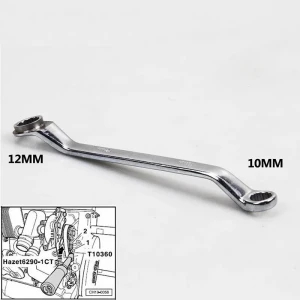
Wasserpumpen-Riemenscheiben-Schlüssel T10360 12mm für Volkswagen Audi EA888
17,26€
Nur noch 9 auf Lager
Ihre zuletzt angesehenen Artikel
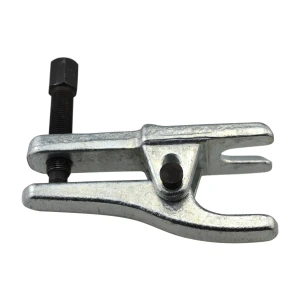
 Zündkerzen-Tester für Auto und Motorrad TSX TOOL
4,17€