


5,25€
Auf Lager


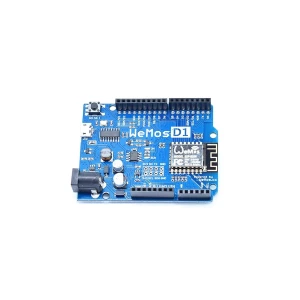
Wemos D1 Mini NodeMCU WiFi ESP8266 – IoT-Entwicklungsboard
Marke: satkit
5,25€
Inkl. MwSt. (Exkl. MwSt.: 4,41€)
Auf Lager - Sofort versandfertig
Standardlieferung
Mi, Apr 22 - Fr, Apr 24
Expresslieferung
Mo, Apr 20 - Di, Apr 21
30 Tage Rückgaberecht
Kostenlose Rücksendung innerhalb von 30 Tagen
Sichere Transaktion






Share:
Kostenlose Lieferung
Bei Bestellungen ab 300€
Einfache Rücksendung
30 Tage Rückgaberecht
Sichere Zahlung
100% sicherer Checkout
Qualitätsgarantie
Nur Originalprodukte
Der Wemos D1 Mini Nodemcu Wifi Esp8266 ist ein kompaktes Entwicklungsboard, das einen leistungsstarken ARM-Mikrocontroller mit WiFi-Konnektivität kombiniert. Es wurde für Internet-of-Things-(IoT)-Projekte entwickelt und ist mit Arduino kompatibel. Basierend auf dem ESP12E-Modul mit 4MB Flash-Speicher ist dieses Board eine Miniaturversion des standardmäßigen NodeMCU-Moduls und bietet die gleiche Funktionalität in einem kleineren Format.
Dieses Board ist vollständig kompatibel mit NodeMCU und dem Lua-Skript, sein volles Potenzial entfaltet es jedoch in Verbindung mit der Arduino-Plattform und dem ESP8266-Paket. Damit ist es eine ideale Wahl für Entwickler und Elektronik-Enthusiasten, die vernetzte Geräte einfach und effizient erstellen möchten.
Wichtige Merkmale:
- ESP8266EX-Mikrocontroller mit 4MB Flash-Speicher (ESP12E).
- Betriebsfrequenz von 160 MHz, höher als die typischen 8/16 MHz.
- Kompatibel mit den meisten Arduino-Bibliotheken und Beispielen, was die Entwicklung erleichtert.
- CH340-Chipsatz für UART-Kommunikation und Auto-Reset-System für automatisches Flashen.
- Stromversorgung über Micro-USB, mit 3.3V- und 5V-Eingängen.
- 11 verfügbare Pins mit Funktionen für Interrupt (IRQ), PWM, I2C und 1-wire (außer D0).
- Inklusive männlicher und weiblicher Steckverbinder, mit doppelt langen weiblichen Stiftleisten für mehr Flexibilität.
- Kompakte Abmessungen von 34,2 x 25,6 mm, ideal für Projekte mit begrenztem Platz.
Typische Einsatzbereiche:
- Entwicklung von IoT-Geräten mit WiFi-Netzwerkverbindung.
- Prototypen für Automatisierung und Fernsteuerung mit Arduino.
- Bildungsprojekte und Experimente mit Mikrocontrollern und drahtloser Konnektivität.
- Integration in Sensor- und Messsysteme mit drahtloser Kommunikation.
Zur Installation des Arduino-ESP8266-Pakets empfiehlt es sich, das Handbuch zu konsultieren und den Arduino-Boardverwalter über den Link https://arduino.esp8266.com/stable/package_esp8266com_index.json aufzurufen. Für die Arbeit mit NodeMCU stehen spezielle Ressourcen zur Verfügung.
Der Wemos D1 Mini ist eines der bekanntesten Basisboards für die Entwicklung mit ESP8266 und bietet eine leicht zu verwendende Plattform mit zahlreichen Beispielen und Community-Support. Die Kompatibilität mit Arduino erleichtert Entwicklern den Einstieg, die WiFi-Konnektivität ohne großen Aufwand in ihre Projekte integrieren möchten.
- ESP8266EX-Mikrocontroller mit 4MB Flash (ESP12E)
- 160 MHz Taktfrequenz für hohe Leistung
- Kompatibel mit NodeMCU, Lua und der Arduino-Plattform
- CH340-Chipsatz für UART-Kommunikation und Auto-Reset
- Stromversorgung über Micro-USB, 3.3V und 5V
- 11 Pins mit IRQ, PWM, I2C und 1-wire (außer D0)
- Inklusive männlicher und weiblicher Steckverbinder, doppelt lange weibliche Stiftleisten
- Kompakte Abmessungen: 34,2 x 25,6 mm
Kundenfragen & Antworten
Quines són les diferències clau entre el Wemos D1 Mini i un NodeMCU estàndard a l’hora de desenvolupar projectes IoT?
El Wemos D1 Mini té un format més compacte (34,2 mm x 25,6 mm), però utilitza el mateix microcontrolador ESP8266 (ESP-12E) i és compatible amb els mateixos entorns de desenvolupament (Arduino IDE, Lua). La mida reduïda permet integrar-lo en projectes amb espai limitat, tot i que sacrifica alguns pins disponibles respecte al NodeMCU estàndard, que és més gran i sol facilitar connexions per a prototips més amplis. L’elecció depèn principalment dels requisits d’espai i del nombre de perifèrics a connectar.
Quines interfícies de comunicació ofereix i quines són les seves limitacions tècniques?
El Wemos D1 Mini ofereix UART, I2C, SPI i PWM, accessibles des dels pins del header (D0-D8, RX, TX). La velocitat màxima per a UART és de 115200 bps de manera estable. I2C pot funcionar a 400 kHz, i SPI a un màxim teòric de 80 MHz, tot i que en la pràctica 40 MHz és més estable. Tots els pins tenen un corrent màxim recomanat de 12 mA per pin i no s’ha de superar per evitar danys.
Què inclou la caixa del producte i quines són les seves dimensions i pes aproximats?
Generalment, la caixa inclou la placa Wemos D1 Mini i els headers per soldar (de vegades ja soldats, depèn del proveïdor). Les dimensions són aproximadament 34,2 mm x 25,6 mm x 7 mm (alçada) i el pes és d’uns 3 g. Es pot verificar el contingut específic en el moment de la compra, ja que alguns kits inclouen més accessoris com ara cables.
Cal instal·lar drivers especials per fer servir el port USB i quins sistemes operatius són compatibles?
El Wemos D1 Mini utilitza un convertidor USB-UART CH340. Windows normalment requereix instal·lar el driver oficial de CH340, mentre que a Linux i macOS recents sol funcionar sense passos addicionals. Els drivers estan disponibles per a Windows (XP o superior), macOS i la majoria de distribucions Linux modernes.
What are the key differences between the Wemos D1 Mini and a standard NodeMCU when developing IoT projects?
The Wemos D1 Mini has a more compact form factor (34.2 mm x 25.6 mm), but uses the same ESP8266 microcontroller (ESP-12E) and is compatible with the same development environments (Arduino IDE, Lua). Its smaller size makes it suitable for projects with limited space, although it offers fewer available pins than the standard NodeMCU, which is larger and usually makes connections easier for bigger prototypes. The choice mainly depends on space requirements and the number of peripherals to be connected.
What communication interfaces does it offer and what are their technical limitations?
The Wemos D1 Mini offers UART, I2C, SPI and PWM, accessible from the header pins (D0-D8, RX, TX). The maximum stable UART speed is 115200 bps. I2C can run at 400 kHz, and SPI has a theoretical maximum of 80 MHz, although 40 MHz is more stable in practice. All pins have a recommended maximum current of 12 mA per pin and this should not be exceeded to avoid damage.
What is included in the box and what are its approximate dimensions and weight?
Generally, the box includes the Wemos D1 Mini board and the solder headers (sometimes already soldered, depending on the supplier). The dimensions are approximately 34.2 mm x 25.6 mm x 7 mm (height) and the weight is about 3 g. The exact contents can be checked at the time of purchase, as some kits include extra accessories such as cables.
Do I need to install special drivers to use the USB port and which operating systems are compatible?
The Wemos D1 Mini uses a CH340 USB-UART converter. Windows generally requires the official CH340 driver to be installed, while on recent Linux and macOS versions it usually works without any additional steps. Drivers are available for Windows (XP or later), macOS and most modern Linux distributions.
What are the key differences between the Wemos D1 Mini and a standard NodeMCU when developing IoT projects?
The Wemos D1 Mini has a more compact form factor (34.2 mm x 25.6 mm), but it uses the same ESP8266 microcontroller (ESP-12E) and is compatible with the same development environments (Arduino IDE, Lua). Its smaller size makes it suitable for projects with limited space, although it sacrifices some available pins compared with the standard NodeMCU, which is larger and usually makes connections easier for bigger prototypes. The choice mainly depends on space requirements and the number of peripherals to connect.
What communication interfaces does it offer and what are their technical limitations?
The Wemos D1 Mini offers UART, I2C, SPI and PWM, accessible from the header pins (D0-D8, RX, TX). The maximum stable UART speed is 115200 bps. I2C can run at 400 kHz, and SPI has a theoretical maximum of 80 MHz, although 40 MHz is more stable in practice. All pins have a recommended maximum current of 12 mA per pin and this should not be exceeded to avoid damage.
Kundenbewertung schreiben
Kunden, die diesen Artikel gekauft haben, kauften auch
Ihre zuletzt angesehenen Artikel

 Wemos D1 Mini NodeMCU WiFi ESP8266 – IoT-Entwicklungsboard
5,25€