


1,18€
Auf Lager
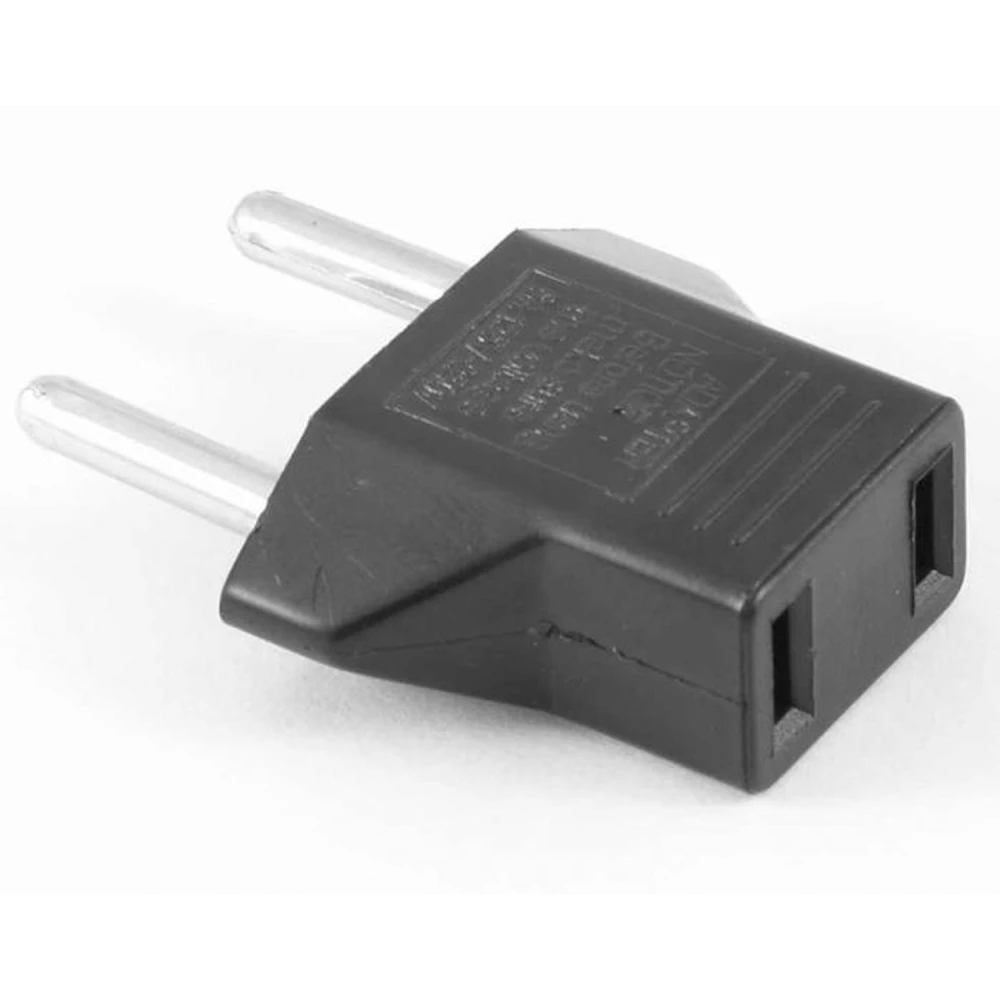
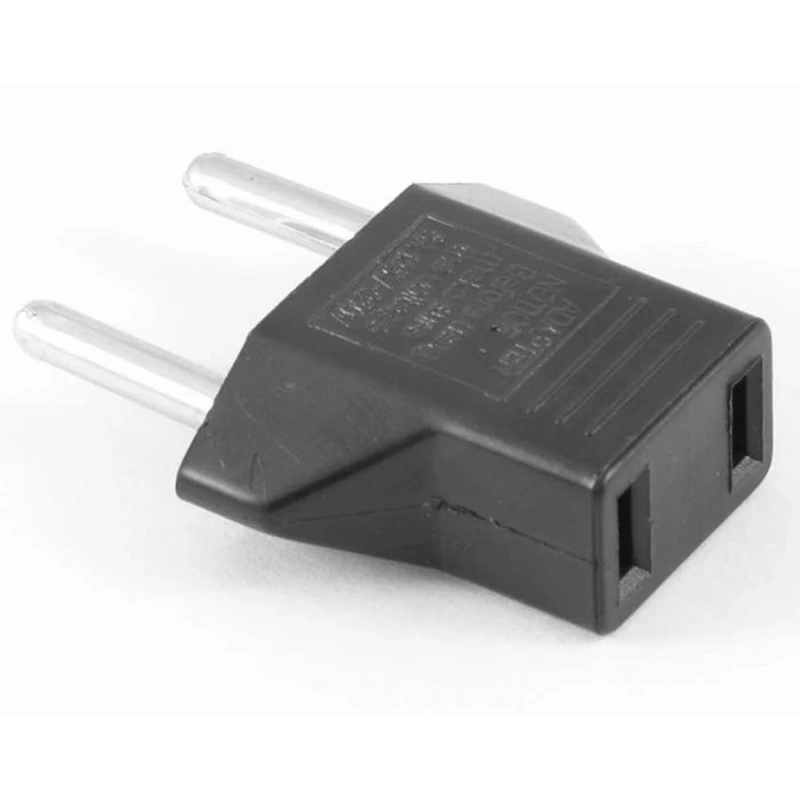
2-poliger Flachstecker auf Eurostecker für praktische und sichere Nutzung
Marke: satkit
1,18€
Inkl. MwSt. (Exkl. MwSt.: 0,99€)
Auf Lager - Sofort versandfertig
Standardlieferung
Mi, Apr 22 - Fr, Apr 24
Expresslieferung
Mo, Apr 20 - Di, Apr 21
30 Tage Rückgaberecht
Kostenlose Rücksendung innerhalb von 30 Tagen
Sichere Transaktion






Share:
Kostenlose Lieferung
Bei Bestellungen ab 300€
Einfache Rücksendung
30 Tage Rückgaberecht
Sichere Zahlung
100% sicherer Checkout
Qualitätsgarantie
Nur Originalprodukte
Der 2-polige Flachstecker auf Eurostecker der Marke satkit ist ein unverzichtbares Zubehör für alle, die Geräte mit Flachstecker an standardmäßige europäische Steckdosen anpassen müssen. Dieser Adapter erleichtert den sicheren und effizienten Anschluss von Elektrogeräten, die ursprünglich mit Flachsteckern ausgestattet sind, wie sie typischerweise in Ländern wie den USA oder Japan vorkommen, an europäische Stromanschlüsse.
Wichtige Merkmale:
- Kompakter und leichter Adapter, einfach zu transportieren.
- Kompatibel mit 2-poligen Flachsteckern zur Umwandlung in europäische Stecker.
- Ideal für elektronische Geräte, Spielkonsolen, Ladegeräte und andere Geräte mit Flachstecker.
- Für einen sicheren Sitz in standardmäßigen europäischen Steckdosen gefertigt.
Typische Anwendungen:
- Internationale Reisen nach Europa, um Geräte mit Flachstecker zu verwenden.
- Anschluss importierter Geräte mit amerikanischen oder japanischen Steckern an das europäische Stromnetz.
- Anpassung von Spielkonsolen, Ladegeräten und anderen elektronischen Geräten für den Einsatz in Haushalten oder an Orten mit europäischen Steckdosen.
Kompatibilität: Dieser Adapter ist mit 2-poligen Flachsteckern kompatibel und wandelt sie in europäische Stecker um. Er eignet sich perfekt für die meisten standardmäßigen Steckdosen in Europa.
Dieser Adapter ist ein praktisches und preiswertes Zubehör, um sicherzustellen, dass Ihre Geräte in Europa problemlos funktionieren. Sein schlichtes und funktionales Design macht ihn zu einer zuverlässigen Lösung für Nutzer, die Kompatibilität zwischen verschiedenen Steckertypen benötigen.
- Adapter von 2-poligem Flachstecker auf standardmäßigen Eurostecker
- Kompatibel mit Geräten mit amerikanischem oder japanischem Flachstecker
- Kompaktes Design und leicht zu transportieren
- Ideal für Reisen und den Einsatz im Haushalt in Europa
- Von satkit gefertigt mit garantierter Qualität
Kundenfragen & Antworten
Quins són els materials principals del conversor i com afecten la seva durabilitat?
El conversor està fabricat principalment en plàstic ABS i contactes interns de llautó niquelat. L’ABS ofereix bona resistència als cops i a les altes temperatures, mentre que el llautó assegura una conductivitat elèctrica estable. Tanmateix, l’ús continu sota tensions mecàniques excessives pot danyar el cos de plàstic.
Amb quin tipus d’endolls i preses europees és compatible aquest adaptador?
L’adaptador accepta endolls tipus A i tipus B (dos pins plans americans) i es connecta a preses europees tipus C, E i F (Schuko o europlug, amb separació de 19 mm entre forats). No és apte per a preses britàniques ni per a sistemes que requereixin connexió a terra addicional.
Quines són les especificacions elèctriques màximes que suporta i què passa si se superen?
El conversor està dissenyat per suportar fins a 250 V CA i un corrent màxim de 6 A (~1500 W a 250 V). Si es connecten dispositius que superin aquestes xifres, hi ha risc de sobreescalfament, deteriorament dels contactes i possibles fallades d’aïllament elèctric.
Requereix algun tipus de manteniment periòdic o revisió per assegurar un ús segur?
No requereix manteniment específic, però és recomanable revisar periòdicament que els contactes no presentin signes d’oxidació, deformació o escalfament anòmal. Eviteu-ne l’ús en ambients humits per prevenir la corrosió interna.
El conversor compleix amb normatives de seguretat elèctrica europees, com la CE?
La majoria de conversors d’aquest tipus estan obligats a complir la directiva de Baixa Tensió (LVD) i solen portar el marcatge CE, que indica conformitat. Es recomana verificar al mateix adaptador la presència del marcatge CE i consultar la documentació del fabricant en cas de dubte.
What are the main materials of the converter and how do they affect its durability?
The converter is mainly made from ABS plastic and nickel-plated brass internal contacts. ABS offers good resistance to knocks and high temperatures, while the brass ensures stable electrical conductivity. However, continuous use under excessive mechanical stress can damage the plastic housing.
What types of European plugs and sockets is this adapter compatible with?
The adapter accepts type A and type B plugs (two flat US pins) and connects to European type C, E and F sockets (Schuko or Europlug, with 19 mm spacing between holes). It is not suitable for UK sockets or systems requiring additional earth connection.
What are the maximum electrical specifications it supports, and what happens if these are exceeded?
The converter is designed to support up to 250 V AC and a maximum current of 6 A (~1500 W at 250 V). If devices exceeding these figures are connected, there is a risk of overheating, contact deterioration and possible electrical insulation failure.
Does it require any periodic maintenance or inspection to ensure safe use?
No specific maintenance is required, but it is advisable to periodically check that the contacts show no signs of oxidation, deformation or abnormal heating. Avoid using it in damp environments to prevent internal corrosion.
Does the converter comply with European electrical safety standards, such as CE?
Most converters of this type are required to comply with the Low Voltage Directive (LVD) and usually carry the CE mark, which indicates conformity. It is recommended to check for the CE mark on the adapter itself and consult the manufacturer's documentation if in doubt.
Kundenbewertung schreiben
Kunden, die diesen Artikel gekauft haben, kauften auch
Ihre zuletzt angesehenen Artikel

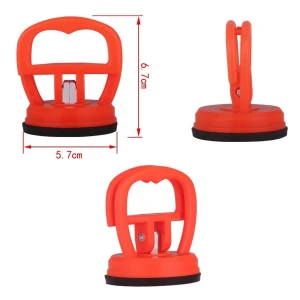
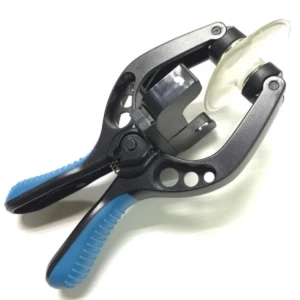
Saugzangen zum Öffnen von iPhone-Displays für iPhone 4/4s/5/5c/5s/6/6 Plus und Smartphones
8,33€
Nur noch 7 auf Lager
2-poliger Flachstecker auf Eurostecker für praktische und sichere Nutzung
1,18€