


2,64€
Auf Lager
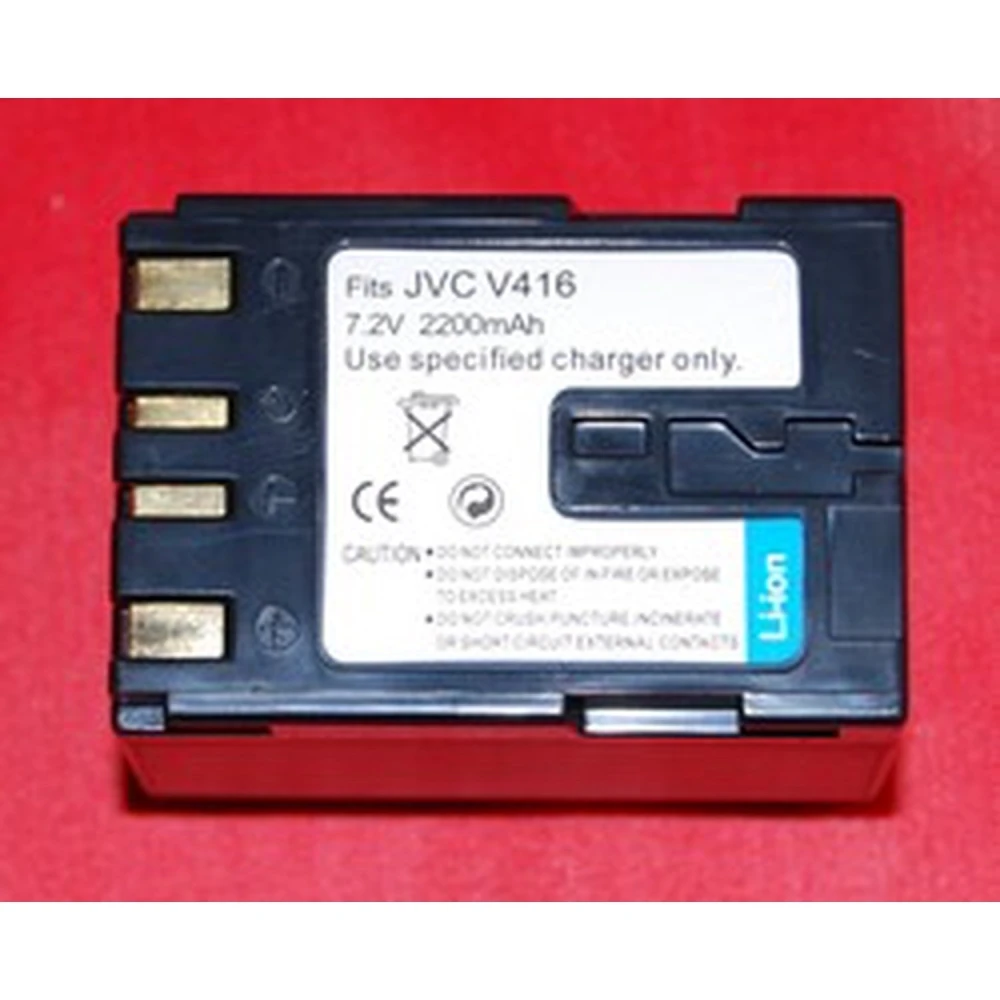
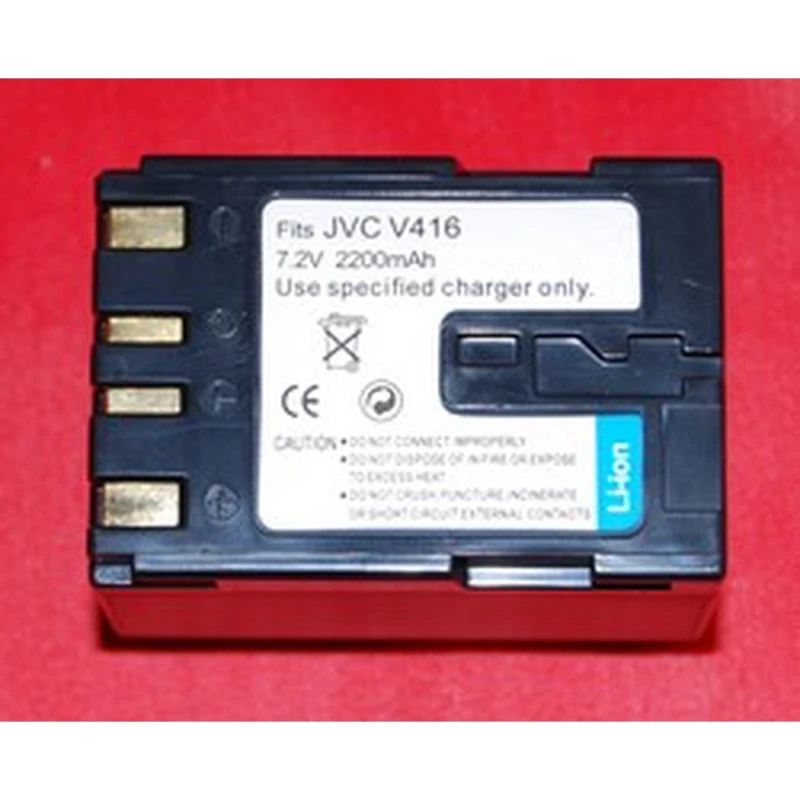
Kompatibler JVC BN-V416 Akku für JVC Kameras
Marke: satkit
2,64€
Inkl. MwSt. (Exkl. MwSt.: 2,22€)
Nur noch 1 auf Lager - jetzt bald bestellen!
Standardlieferung
Mi, Apr 22 - Fr, Apr 24
Expresslieferung
Mo, Apr 20 - Di, Apr 21
30 Tage Rückgaberecht
Kostenlose Rücksendung innerhalb von 30 Tagen
Sichere Transaktion






Share:
Kostenlose Lieferung
Bei Bestellungen ab 300€
Einfache Rücksendung
30 Tage Rückgaberecht
Sichere Zahlung
100% sicherer Checkout
Qualitätsgarantie
Nur Originalprodukte
Der kompatible JVC BN-V416 Akku ist eine zuverlässige und effiziente Lösung zur Stromversorgung Ihrer JVC Kameras. Mit einer Spannung von 7.2V und einer Kapazität von 2000mAh bietet dieser Li-Polymer-Akku eine hohe Laufzeit und stabile Leistung für längere Aufnahmesessions.
Hauptmerkmale:
- Spannung: 7.2V
- Kapazität: 2000mAh
- Akkutyp: Li-Polymer
- Zustand: Neu
Dieser Akku ist mit einer Vielzahl von JVC Kameramodellen kompatibel, einschließlich, aber nicht beschränkt auf:
- JVC CU-VH1, CU-VH1US
- JVC GR-D20, GR-D200, GR-D2000, GR-D200U, GR-D200US
- JVC GR-D201, GR-D20E, GR-D20EG, GR-D21, GR-D21EK
- JVC GR-D22, GR-D220, GR-D22US, GR-D23, GR-D230, GR-D230US
- JVC GR-D30, GR-D30E, GR-D30U, GR-D30US, GR-D31, GR-D31EK, GR-D31US
- JVC GR-D33, GR-D33US, GR-D40, GR-D50, GR-D50E, GR-D50K, GR-D51, GR-D53
- Und viele weitere JVC Modelle, die diesen Akku verwenden. Bitte prüfen Sie das Handbuch Ihrer Kamera, um die Kompatibilität zu bestätigen.
Typische Einsatzbereiche: Dieser Akku ist ideal, um den Originalakku Ihrer JVC Kamera zu ersetzen, wenn dieser keine Ladung mehr hält, oder als zusätzlicher Akku für lange Aufnahmen oder Reisen.
Kompatibilität und Empfehlungen: Achten Sie darauf, das genaue Modell Ihrer Kamera zu prüfen und zu bestätigen, dass der BN-V416 Akku verwendet wird. Dieser kompatible Ersatzakku bietet eine ähnliche Leistung wie das Original und sorgt dafür, dass Ihr Gerät korrekt funktioniert.
Mit diesem Akku können Sie wichtige Momente ohne Unterbrechung durch fehlende Energie festhalten. Seine Li-Polymer-Technologie sorgt für eine stabile und langlebige Ladung.
- 7.2V Spannung für optimale Leistung
- 2000mAh Kapazität für längere Laufzeit
- Neuer, kompatibler Li-Polymer-Akku
- Kompatibel mit vielen JVC Kameramodellen
- Ideal als Ersatz- oder Zusatzakku
Kundenfragen & Antworten
Quins són els principals avantatges d’utilitzar aquesta bateria compatible JVC BN-V416 davant de l’original?
El principal avantatge de la bateria compatible és la seva relació cost-benefici, ja que ofereix especificacions elèctriques similars (7.2 V, 2000 mAh) i tecnologia Li-Polymer, normalment a un preu inferior al de les originals. Tanmateix, les originals solen oferir controls de qualitat i garantia directa del fabricant, de manera que l’usuari ha de valorar si prioritza el cost o el suport de marca.
Quines dimensions, pes i tipus de material té aquesta bateria? Què s’inclou exactament a la caixa?
Les bateries BN-V416 compatibles solen mesurar aproximadament 70 mm x 38 mm x 21 mm, amb un pes entre 80 i 100 g, i carcassa de policarbonat d’alta resistència. A la caixa s’hi inclou una bateria nova i segellada; no s’hi acompanya carregador ni accessoris addicionals.
Aquesta bateria és compatible amb totes les càmeres JVC llistades que fan servir BN-V416? Pot afectar si el meu carregador és d’un altre model?
La bateria és compatible amb una àmplia gamma de models JVC indicats que utilitzin el format BN-V416. És fonamental fer servir carregadors compatibles amb bateries Li-Polymer i voltatge de 7.2 V per garantir seguretat i vida útil; utilitzar carregadors de tecnologies diferents (per exemple, NiMH) pot produir recàrregues incompletes o un deteriorament accelerat.
Quines cures o manteniment requereix aquesta bateria Li-Polymer per prolongar-ne la vida útil?
Les bateries Li-Polymer han d’evitar la descàrrega completa freqüent i s’han d’emmagatzemar entre un 40% i un 70% de càrrega quan no s’utilitzen durant períodes llargs. És recomanable mantenir-les a temperatura ambient (15–25 °C) i evitar l’exposició prolongada a la calor o a la humitat. Es recomana no superar els 400 cicles complets de càrrega-descàrrega per mantenir la capacitat original.
Quins problemes freqüents poden sorgir amb aquestes bateries compatibles i com es poden reconèixer o resoldre?
Els problemes més comuns inclouen disminució de capacitat després de diversos cicles (menys autonomia), incompatibilitat dels indicadors de càrrega al visor de la càmera, o rebuig de càrrega si s’utilitza un carregador no adequat. Per solucionar-ho, recomanem comprovar l’estat visual de la bateria, fer servir únicament carregadors certificats i, davant de signes d’inflor o sobreescalfament, deixar d’utilitzar-la immediatament.
What are the main advantages of using this compatible JVC BN-V416 battery compared with the original?
The main advantage of the compatible battery is its value for money, as it offers similar electrical specifications (7.2 V, 2000 mAh) and Li-Polymer technology, typically at a lower price than the originals. However, original batteries usually offer quality control and direct manufacturer warranty, so the user must decide whether to prioritise cost or brand support.
What dimensions, weight and material type does this battery have? What exactly is included in the box?
Compatible BN-V416 batteries usually measure approximately 70 mm x 38 mm x 21 mm, weigh between 80 and 100 g, and have a high-strength polycarbonate casing. The box includes one new, sealed battery; no charger or additional accessories are included.
Is this battery compatible with all the listed JVC cameras that use BN-V416? Could my charger being a different model affect it?
The battery is compatible with a wide range of indicated JVC models that use the BN-V416 format. It is essential to use chargers compatible with Li-Polymer batteries and 7.2 V voltage to ensure safety and service life; using chargers of different technologies (for example, NiMH) may cause incomplete charging or accelerated deterioration.
What care or maintenance does this Li-Polymer battery require to extend its service life?
Li-Polymer batteries should avoid frequent full discharge and should be stored at 40% to 70% charge when not used for long periods. It is advisable to keep them at room temperature (15–25 °C), and to avoid prolonged exposure to heat or moisture. It is recommended not to exceed 400 full charge-discharge cycles to maintain the original capacity.
What common problems can arise with these compatible batteries and how can they be identified or resolved?
The most common problems include reduced capacity after several cycles (less runtime), incompatibility of charge indicators in the camera display, or refusal to charge if an unsuitable charger is used. For troubleshooting, we recommend checking the battery's visual condition, using only certified chargers and, if there are signs of swelling or overheating, stopping use immediately.
Kundenbewertung schreiben
Kunden, die diesen Artikel gekauft haben, kauften auch
Ihre zuletzt angesehenen Artikel

 Kompatibler JVC BN-V416 Akku für JVC Kameras
2,64€