



15,86€
Auf Lager


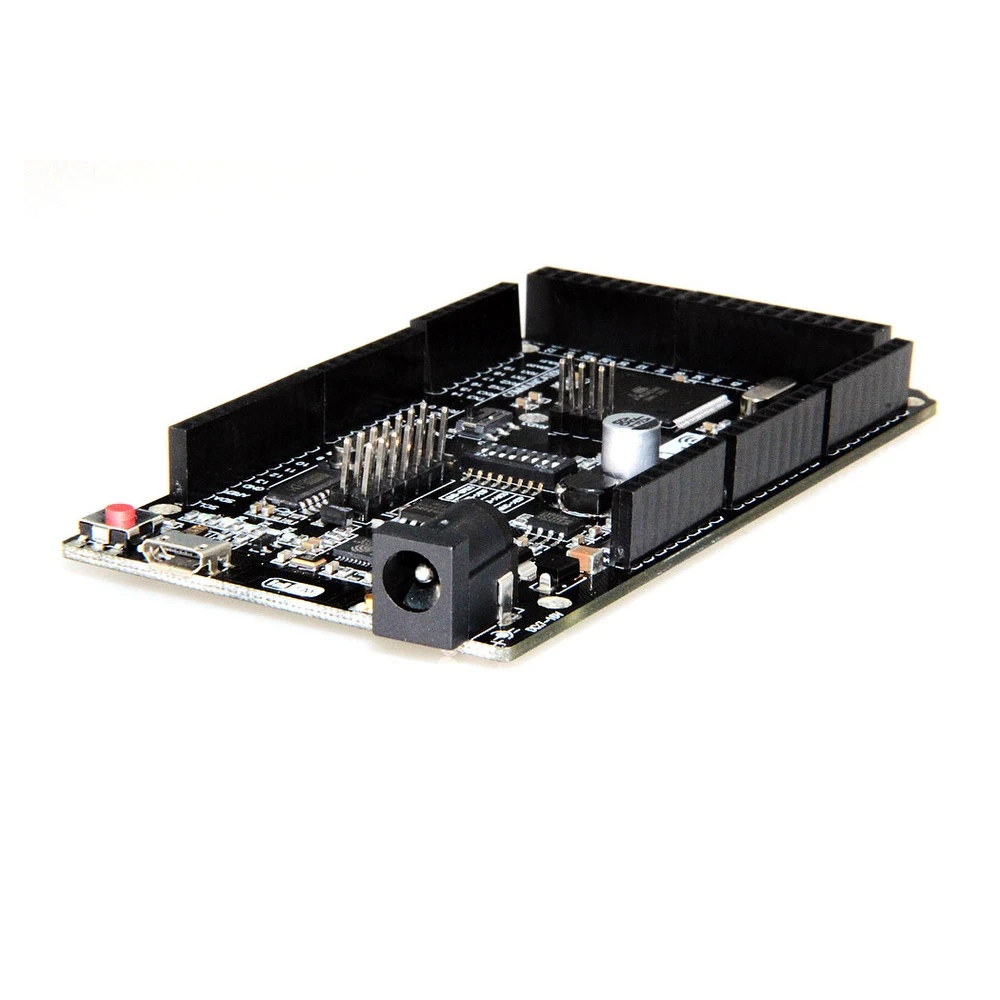
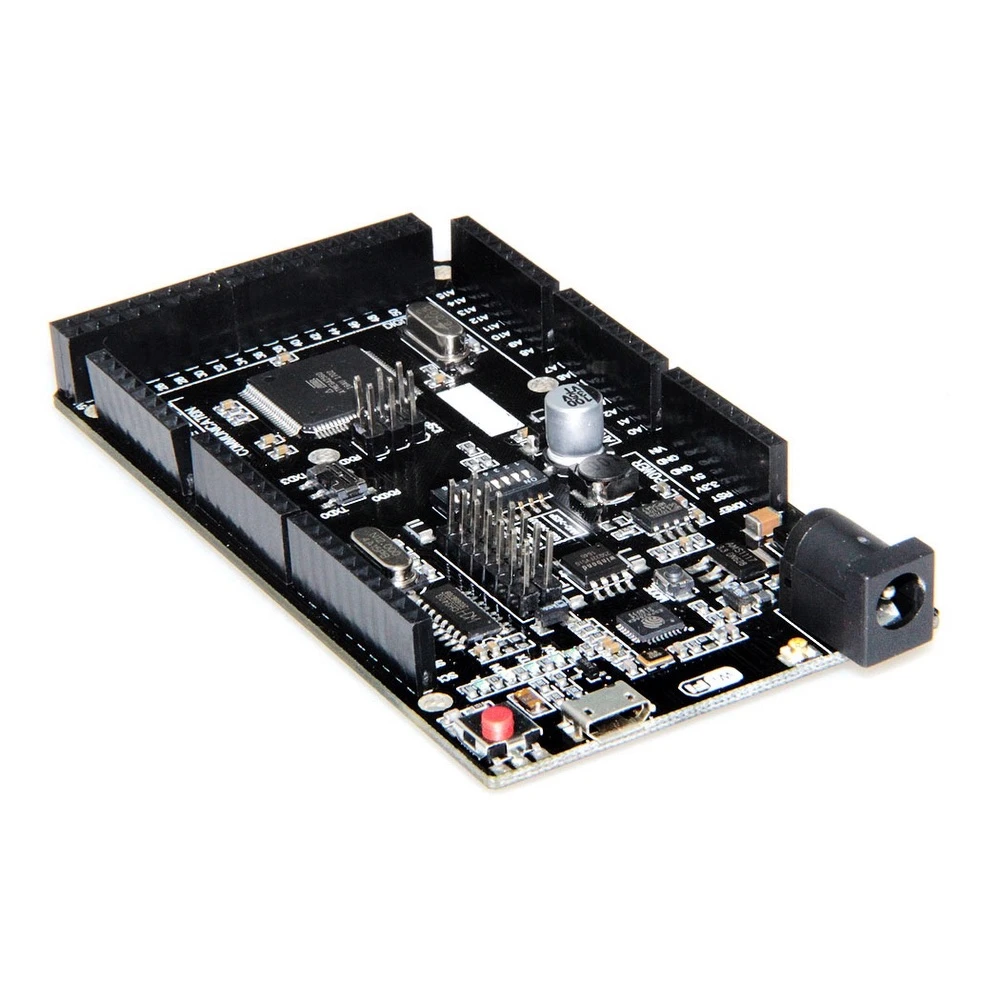
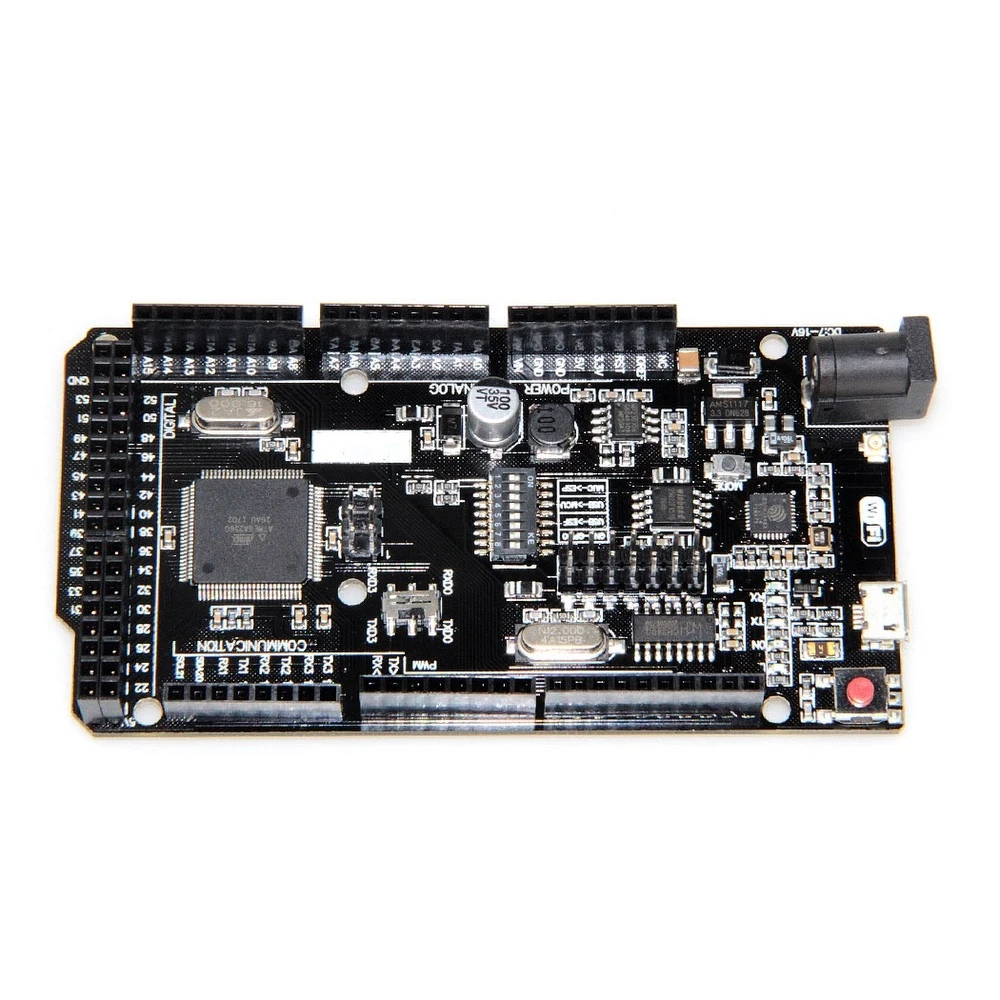
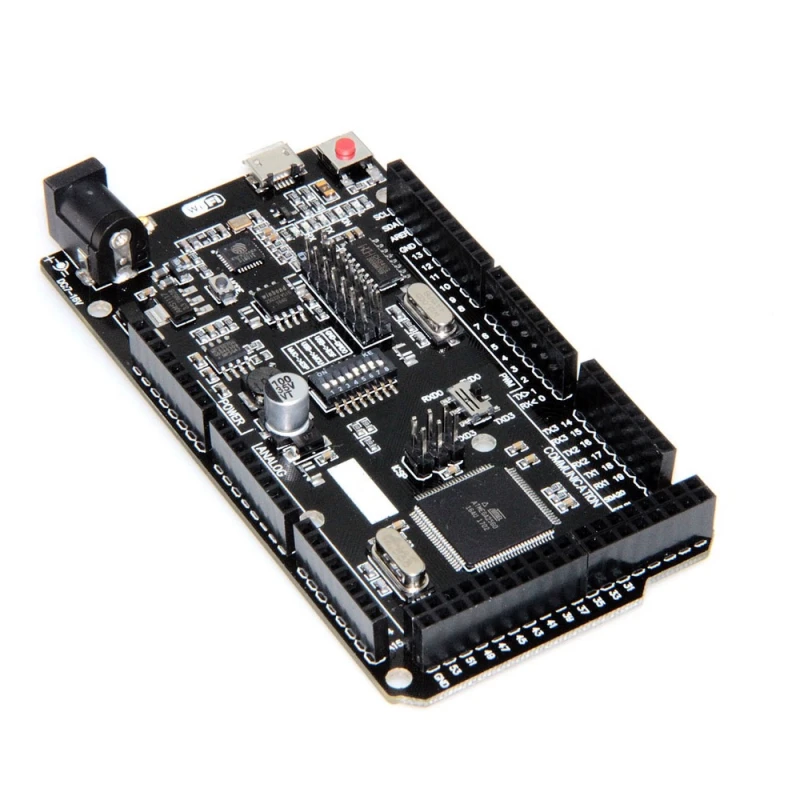
Arduino Mega WiFi R3 ATmega2560 ESP8266 kompatibles Modul mit 32Mb Speicher
Marke: satkit
15,86€
Inkl. MwSt. (Exkl. MwSt.: 13,33€)
Begrenzter Vorrat
Standardlieferung
Mi, Apr 22 - Fr, Apr 24
Expresslieferung
Mo, Apr 20 - Di, Apr 21
30 Tage Rückgaberecht
Kostenlose Rücksendung innerhalb von 30 Tagen
Sichere Transaktion






Share:
Kostenlose Lieferung
Bei Bestellungen ab 300€
Einfache Rücksendung
30 Tage Rückgaberecht
Sichere Zahlung
100% sicherer Checkout
Qualitätsgarantie
Nur Originalprodukte
Das Arduino Mega WiFi R3 ATmega2560 ESP8266 kompatibles Modul ist eine Entwicklungsplatine, die die Leistung des ATmega2560-Mikrocontrollers mit der WiFi-Konnektivität des ESP8266-Moduls kombiniert, beide in einem einzigen Gerät mit 32Mb Speicher integriert. Diese Integration erleichtert die Umsetzung von Projekten, die sowohl Rechenleistung als auch drahtlose Verbindung benötigen.
Hauptmerkmale:
- ATmega2560 Mega R3 Mikrocontroller für hohe Rechenleistung.
- ESP8266 WiFi-Modul mit 32Mb Speicher für effiziente drahtlose Konnektivität.
- Gemeinsamer oder getrennter Betrieb der Module, jeweils mit eigenem Pinout für mehr Flexibilität.
- Aktualisierung von Sketches und Firmware per USB dank integriertem USB-Seriell-Wandler CH340G.
- DIP-Schalter zur Auswahl verschiedener Modul-Kombinationen: USB und ATmega2560, USB und ESP8266 oder ATmega2560 und ESP8266.
- Einfache und praktische Nutzung für Entwickler und Elektronik-Enthusiasten.
Technische Daten:
- Mikrocontroller: ATmega2560 Mega R3.
- WiFi-Modul: ESP8266 mit 32Mb Speicher.
- USB-Seriell-Wandler: integrierter CH340G für Programmierung und Aktualisierung.
- Konnektivität: USB für Programmierung und Kommunikation mit beiden Modulen.
- DIP-Schalter zur Auswahl aktiver Module.
Typische Anwendungen:
- Entwicklung von IoT-Projekten mit WiFi-Konnektivität und erweiterter Verarbeitung.
- Schnelles Prototyping von Embedded-Systemen mit drahtloser Kommunikation.
- Bildungsanwendungen zum Lernen von Programmierung und Elektronik mit Arduino und integriertem WiFi.
- Integration in Systeme, die Fernsteuerung und einfache Firmware-Aktualisierung erfordern.
Kompatibilität:
Kompatibel mit den meisten Arduino-Bibliotheken und Entwicklungsumgebungen. Ermöglicht die Programmierung und Aktualisierung sowohl des ATmega2560 als auch des ESP8266-Moduls über USB. Ideal für Nutzer, die eine All-in-One-Lösung für Projekte mit WiFi und leistungsstarkem Mikrocontroller suchen.
Lieferumfang:
- 1 x Arduino Mega + WiFi R3 ATmega2560 + ESP8266 mit 32Mb Speicher.
- Integration von ATmega2560 Mega R3 und ESP8266-WiFi-Modul mit 32Mb Speicher.
- Module können gemeinsam oder getrennt mit eigenem Pinout betrieben werden.
- Firmware- und Sketch-Update per USB mit CH340G-Wandler.
- DIP-Schalter zur Auswahl der Verbindungen zwischen USB, ATmega2560 und ESP8266.
- Ideal für IoT-Projekte und Entwicklung mit integriertem WiFi.
Kundenfragen & Antworten
Quins són els principals avantatges de tenir ATmega2560 i ESP8266 integrats en una sola placa?
La integració d’ATmega2560 i ESP8266 en un sol PCB permet combinar el gran nombre d’E/S del Mega per a projectes complexos amb la connectivitat WiFi de l’ESP8266, sense cablejats addicionals ni problemes de comunicació entre plaques. Això optimitza l’espai, facilita la programació conjunta i redueix el risc d’incompatibilitat de maquinari.
Quina compatibilitat té amb fonts d’alimentació i per què cal considerar el voltatge/màxima intensitat?
La placa admet alimentació per USB (5 V) o per entrada externa (7–12 V DC recomanats; màxim absolut 20 V). Intensitats elevades (>800 mA) poden sobreescalfar el regulador intern, especialment quan s’utilitza l’ESP8266, que consumeix pics de fins a 400 mA. És important fer servir una font estable i amb marge per evitar reinicis per caigudes de tensió.
Hi ha incompatibilitats freqüents entre l’entorn Arduino IDE i aquest mòdul, en comparació amb una placa Mega o ESP8266 estàndard?
En general és compatible amb l’Arduino IDE per a tots dos xips, però poden aparèixer conflictes si els ports COM no es seleccionen correctament, o si no s’ajusta el DIP switch abans de carregar programes. La instal·lació del driver CH340G és imprescindible en alguns sistemes Windows. La coexistència dels dos xips pot requerir ajustos de la consola sèrie.
What are the main advantages of having ATmega2560 and ESP8266 integrated on a single board?
Integrating the ATmega2560 and ESP8266 on a single PCB combines the Mega’s large number of I/O pins for complex projects with the ESP8266’s WiFi connectivity, without extra wiring or communication issues between boards. This optimises space, simplifies joint programming and reduces the risk of hardware incompatibility.
What power supply compatibility does it have and why is it necessary to consider voltage/maximum current?
The board accepts power via USB (5 V) or external input (7–12 V DC recommended; 20 V absolute maximum). High currents (>800 mA) can overheat the internal regulator, especially when using the ESP8266, which can draw peaks of up to 400 mA. It is important to use a stable power supply with sufficient headroom to avoid resets caused by voltage drops.
Are there common incompatibilities between the Arduino IDE environment and this module, compared with a standard Mega or ESP8266 board?
In general it is compatible with the Arduino IDE for both chips, but conflicts may occur if the COM ports are not selected correctly, or if the DIP switch is not set before uploading programs. Installing the CH340G driver is essential on some Windows systems. The coexistence of both chips may require serial console adjustments.
What are the main advantages of having ATmega2560 and ESP8266 integrated on a single board?
Integrating the ATmega2560 and ESP8266 on a single PCB combines the Mega’s large number of I/O pins for complex projects with the ESP8266’s WiFi connectivity, without extra wiring or communication issues between boards. This optimises space, makes joint programming easier and reduces the risk of hardware incompatibility.
What power supply compatibility does it have and why is it necessary to consider voltage/maximum current?
The board accepts power via USB (5 V) or external input (recommended 7–12 V DC; absolute maximum 20 V). High currents (>800 mA) can overheat the internal regulator, especially when using the ESP8266, which draws peaks of up to 400 mA. It is important to use a stable power supply with headroom to avoid resets caused by voltage drops.
Are there common incompatibilities between the Arduino IDE environment and this module, compared with a standard Mega or ESP8266 board?
In general it is compatible with the Arduino IDE for both chips, but conflicts may arise if the COM ports are not selected correctly, or if the DIP switch is not adjusted before uploading programmes. Installing the CH340G driver is essential on some Windows systems. The coexistence of both chips may require serial console adjustments.
Vilka är de främsta fördelarna med att ha ATmega2560 och ESP8266 integrerade på ett enda kort?
Integrationen av ATmega2560 och ESP8266 på ett enda PCB gör det möjligt att kombinera Megas stora antal I/O för komplexa projekt med ESP8266:s WiFi-anslutning, utan extra kabeldragning eller kommunikationsproblem mellan kort. Detta optimerar utrymmet, förenklar gemensam programmering och minskar risken för hårdvaruinkompatibilitet.
Kundenbewertung schreiben
Kunden, die diesen Artikel gekauft haben, kauften auch
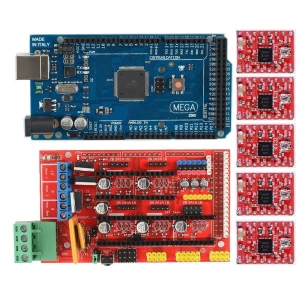
Reprap RAMPS 1.4 + Arduino Mega + 5 A4988 Stepper-Treiber für 3D-Drucker
31,29€
Nur noch 6 auf Lager
Ihre zuletzt angesehenen Artikel


 Arduino Mega WiFi R3 ATmega2560 ESP8266 kompatibles Modul mit 32Mb Speicher
15,86€