

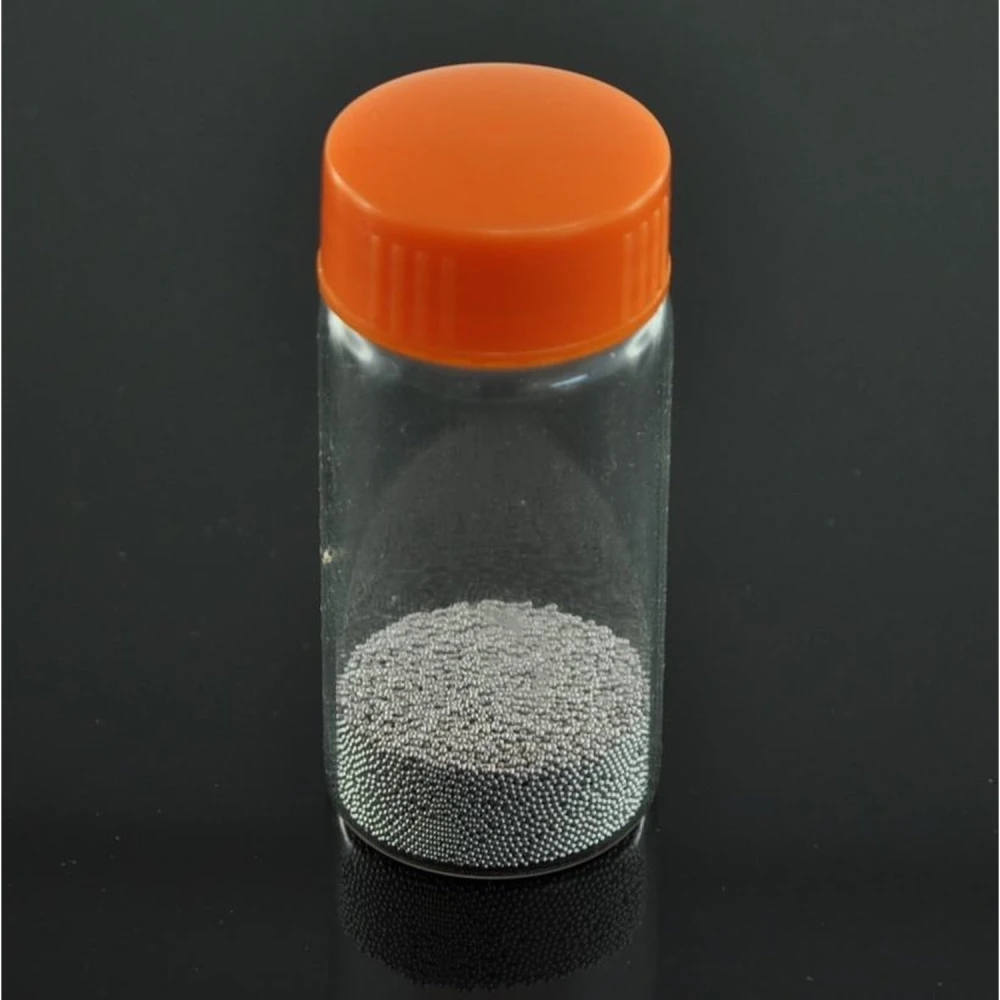
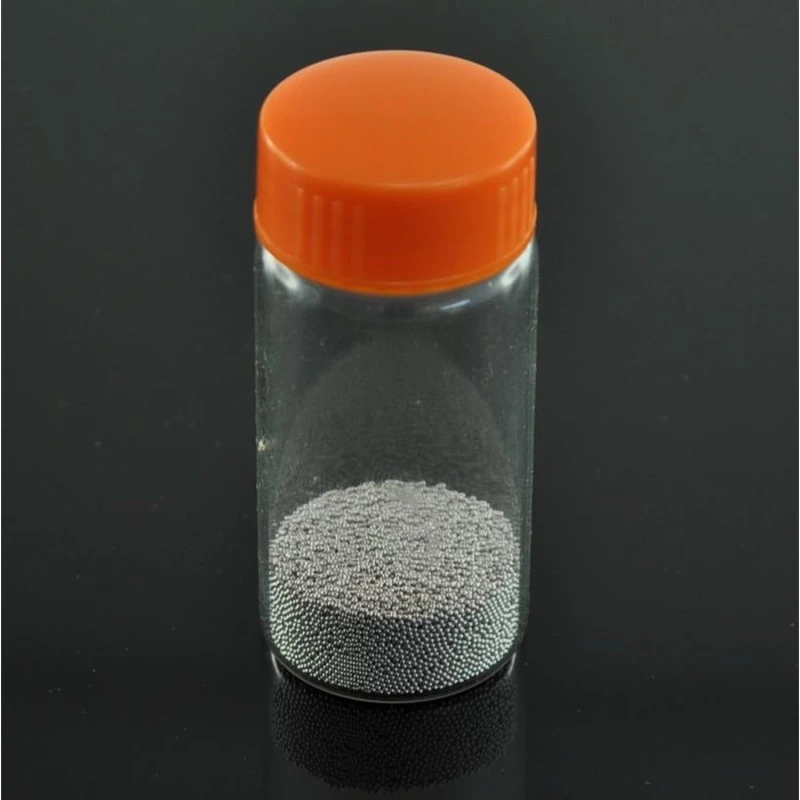
Lötkugeln bleifrei 0,35mm 25.000 Stück für professionelles Löten
Marke: Pmtc
Inkl. MwSt. (Exkl. MwSt.: 6,00€)






Produktbeschreibung:
Die Lötkugeln bleifrei 0,35mm 25.000 Stk. sind ein unverzichtbares Zubehör für Arbeiten im Elektroniklöten und Reballing. Hergestellt von Profound Material Technology in Taiwan, bietet dieses Produkt eine bleifreie Zusammensetzung und sorgt so für einen saubereren und umweltfreundlicheren Lötprozess.
Hauptmerkmale:
- Kugeldurchmesser: 0,35 mm, ideal für Präzisionslötungen.
- Menge: 25.000 Stück pro Behälter, für eine langfristige Versorgung.
- Zusammensetzung: 96.5% Zinn (Sn), 3.0% Silber (Ag), 0.5% Kupfer (Cu), für hervorragende Leitfähigkeit und mechanische Festigkeit.
- Bleifreies Produkt (No LEAD), erfüllt Umwelt- und Gesundheitsvorschriften.
- Hergestellt von Profound Material Technology, bekannt für Qualität bei Lötmaterialien.
Typische Anwendungen:
- Reballing von BGA-Komponenten und anderen elektronischen Geräten.
- Präzisionslöten in der professionellen Elektronik und bei der Leiterplattenreparatur.
- Anwendungen, die bleifreie Materialien zur Einhaltung von ROHS-Vorschriften erfordern.
Kompatibilität:
Dieser Behälter mit Lötkugeln ist mit den meisten Lötstationen und Reballing-Werkzeugen kompatibel und damit eine zuverlässige Wahl für Techniker und Elektronikprofis.
Verfügbarkeit:
Derzeit ist dieses Produkt nicht auf Lager. Wir empfehlen, verfügbare Alternativen zu prüfen oder unseren Kundenservice für weitere Informationen zu kontaktieren.
- Bleifreie Lötkugeln mit 0,35 mm für präzises Löten
- 25.000 Stück pro Behälter für langen Einsatz
- Zusammensetzung 96.5Sn-3.0Ag-0.5Cu für hohe Qualität und Haltbarkeit
- Ideal für Reballing und professionelles Elektroniklöten
- Hergestellt von Profound Material Technology in Taiwan
Kundenfragen & Antworten
What is the exact material composition and what advantages does it have over traditional alloys?
The composition is 96.5% tin (Sn), 3.0% silver (Ag) and 0.5% copper (Cu). This alloy, known as SAC305, offers better resistance to thermal fatigue compared with traditional Sn-Pb alloys, although it requires slightly higher working temperatures.
Is it compatible with all reballing stations and automatic soldering machines?
The 0.35 mm balls can be used in standard reballing stations, provided the stencils, nozzles and processes are calibrated for that diameter. In automatic equipment, it is recommended to check compatibility with the micro-ball feeder used.
What storage and handling care is required to maintain their quality?
It is advisable to store the jar in a dry environment, between 10 and 30 °C, and avoid exposure to humidity above 60% RH to prevent oxidation. Using anti-static tweezers and gloves during handling helps ensure the material's longevity.
Are there any performance differences compared with leaded solder balls when soldering, and how much does the SAC305 alloy affect the final joint?
The SAC305 alloy typically needs soldering temperatures 10-30 °C higher than traditional Sn-Pb and may show greater stress in the joint, but it complies with RoHS regulations. The result is a reliable and environmentally safe solder joint, although thermal profiles need to be adjusted.
What is the exact material composition and what advantages does it have over traditional alloys?
The composition is 96.5% tin (Sn), 3.0% silver (Ag) and 0.5% copper (Cu). This alloy, known as SAC305, offers better resistance to thermal fatigue compared with traditional Sn-Pb alloys, although it requires slightly higher working temperatures.
Is it compatible with all reballing stations and automatic soldering machines?
The 0.35 mm balls can be used in standard reballing stations, provided the stencils, nozzles and processes are calibrated for that diameter. In automatic equipment, it is recommended to check compatibility with the micro-ball feeder used.
What storage and handling care is required to maintain their quality?
It is advisable to store the jar in a dry environment, between 10 and 30 °C, and avoid exposure to humidity above 60% RH to prevent oxidation. Using anti-static tweezers and gloves during handling helps ensure the material lasts longer.
Are there any performance differences compared with leaded solder balls when soldering, and how much does the SAC305 alloy affect the final joint?
The SAC305 alloy typically needs soldering temperatures 10-30 °C higher than traditional Sn-Pb and may show greater stress in the joint, but it complies with RoHS regulations. The result is a reliable and environmentally safe solder joint, although thermal profiles need to be adjusted.
Vad är den exakta materialsammansättningen och vilka fördelar har den jämfört med traditionella legeringar?
Sammansättningen är 96,5 % tenn (Sn), 3,0 % silver (Ag) och 0,5 % koppar (Cu). Denna legering, känd som SAC305, ger bättre motstånd mot termisk utmattning jämfört med traditionella Sn-Pb-legeringar, även om den kräver något högre arbetstemperaturer.
Är den kompatibel med alla reballingstationer och automatiska lödmaskiner?
0,35 mm-kulorna kan användas i standardreballingstationer, förutsatt att stenciler, munstycken och processer är kalibrerade för denna diameter. I automatiska system rekommenderas att kontrollera kompatibiliteten med den använda mikro-kulmataren.
Kundenbewertung schreiben
Kunden, die diesen Artikel gekauft haben, kauften auch

Ihre zuletzt angesehenen Artikel