


5,71€
Auf Lager
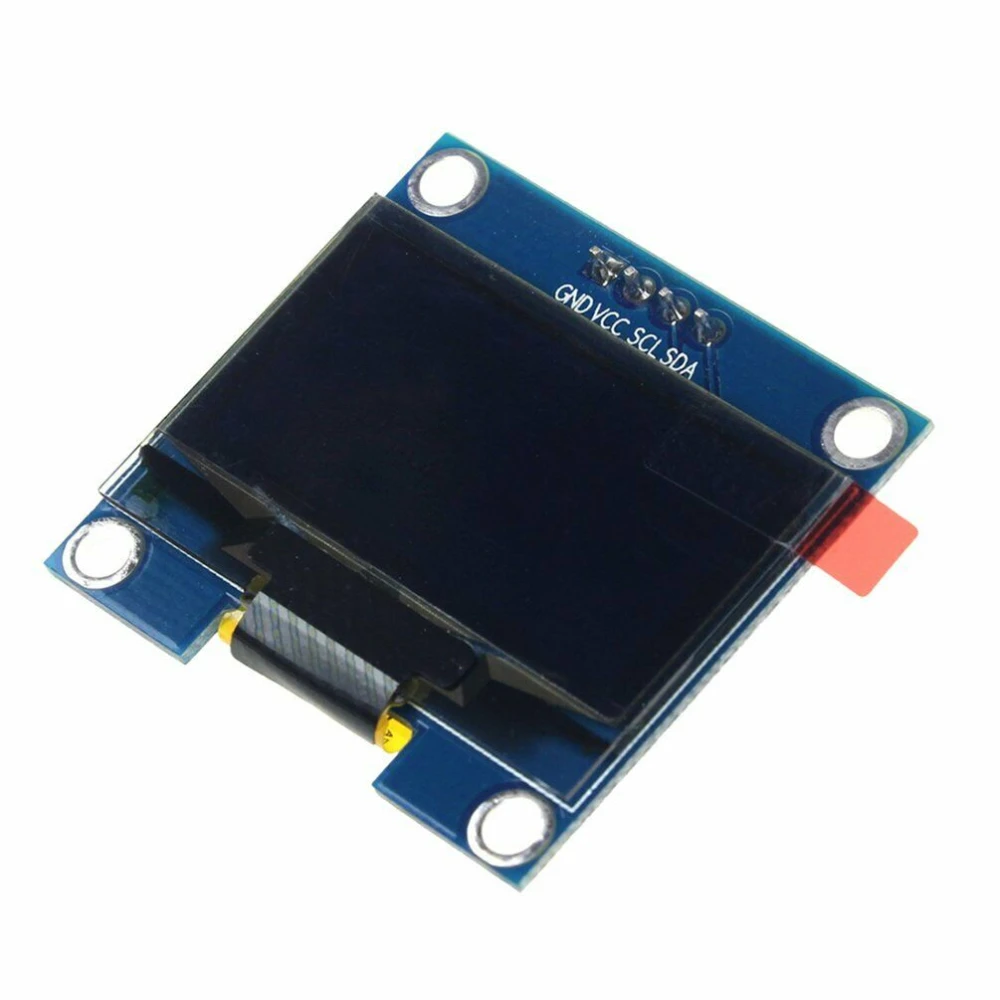
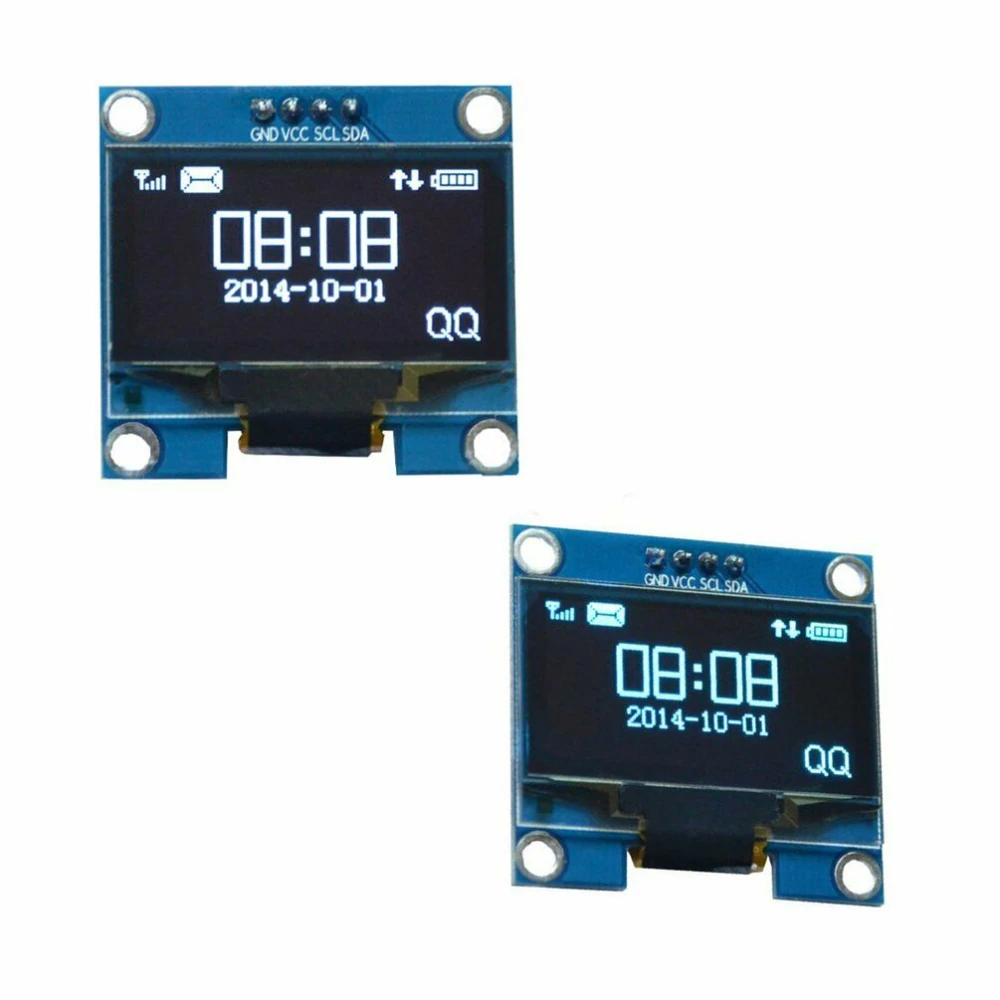

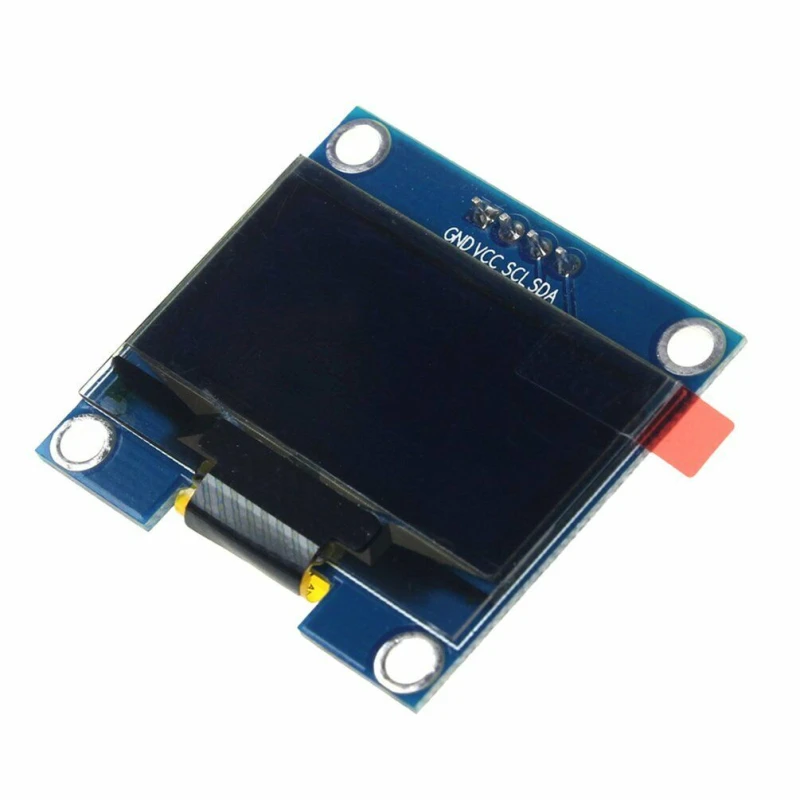
OLED-Display 1,3 Zoll Arduino SH1106 IIC 4 Pins 128x64
Marke: satkit
5,71€
Inkl. MwSt. (Exkl. MwSt.: 4,80€)
Nur noch 4 auf Lager - jetzt bald bestellen!
Standardlieferung
Mi, Apr 22 - Fr, Apr 24
Expresslieferung
Mo, Apr 20 - Di, Apr 21
30 Tage Rückgaberecht
Kostenlose Rücksendung innerhalb von 30 Tagen
Sichere Transaktion






Share:
Kostenlose Lieferung
Bei Bestellungen ab 300€
Einfache Rücksendung
30 Tage Rückgaberecht
Sichere Zahlung
100% sicherer Checkout
Qualitätsgarantie
Nur Originalprodukte
Das OLED-Display 1.3 pulgadas Arduino SH1106 IIC 4 pines 128x64 ist ein kompaktes und effizientes Displaymodul, das für Arduino-Projekte entwickelt wurde, die eine klare und stromsparende visuelle Schnittstelle benötigen.
Hauptmerkmale:
- Kompakte Größe: 1.3 pulgadas mit einer Anzeigefläche von 29.42 x 14.7 mm, ideal für enge Einbauräume.
- Hohe Auflösung: 128 x 64 Pixel, mit denen sich Grafiken und Text klar darstellen lassen.
- SSH1106-Steuerchip: sorgt für schnelle Reaktion und Kompatibilität mit IIC-Protokollen.
- 4-Pin-IIC-Schnittstelle: einfache Verbindung über die Pins GND, VCC, SCL und SDA, kompatibel mit den meisten Arduino-Boards.
- Selbstleuchtend: benötigt keine Hintergrundbeleuchtung und bietet hohe Helligkeit sowie weite Betrachtungswinkel.
- Geringer Energieverbrauch: arbeitet mit Spannungen von 3.3 bis 5V, ideal für portable und effiziente Projekte.
- Großer Temperaturbereich: arbeitet zwischen -40 und 70 °C und ist damit für verschiedene Umgebungsbedingungen geeignet.
- Umkehrbare VDD- und GND-Pins: erleichtern den Anschluss und reduzieren Fehler beim Aufbau.
Typische Einsatzbereiche:
- Datendarstellung in Arduino-Projekten wie Sensoren, Uhren oder Steuerungssystemen.
- Grafische Benutzeroberflächen für kleine elektronische Geräte.
- Stromsparende Projekte, bei denen Energieeffizienz entscheidend ist.
Kompatibilität: Dieses Modul ist mit den meisten Arduino-Boards kompatibel, die IIC-Kommunikation unterstützen, und lässt sich dadurch leicht in bestehende Projekte oder neue Entwicklungen integrieren.
Technische Daten:
- Größe: 1.3 pulgadas
- Auflösung: 128 x 64 Pixel
- Steuerchip: SSH1106
- Anzeigefläche: 29.42 x 14.7 mm
- Betriebsspannung: 3.3-5V
- Betriebstemperatur: -40 bis 70 °C
- Schnittstelle: IIC (4 Pins: GND, VCC, SCL, SDA)
- Lichtfarbe: weiß
Lieferumfang:
- 1 x OLED-Displaymodul 1.3'' SH1106 IIC 128x64 für Arduino
- OLED-Display 1,3 Zoll mit 128x64 Auflösung für Arduino-Projekte
- 4-Pin-IIC-Schnittstelle: GND, VCC, SCL und SDA für einfache Verbindung
- SSH1106-Chip für hohe Geschwindigkeit und schnelle Reaktion
- Selbstleuchtendes weißes Licht, keine Hintergrundbeleuchtung erforderlich
- Geringer Stromverbrauch, Betrieb zwischen 3.3 und 5V
- Großer Betriebstemperaturbereich: -40 bis 70 °C
- Umkehrbare VDD- und GND-Pins für eine einfache Installation
Kundenfragen & Antworten
Quins són els avantatges clau d’utilitzar una pantalla OLED SH1106 davant d’una LCD convencional en projectes amb Arduino?
La pantalla OLED SH1106 emet la seva pròpia llum (no requereix retroil·luminació), oferint un contrast més alt i un angle de visió ampli. A més, consumeix menys energia i respon més ràpid en comparació amb una LCD tradicional. En contrapartida, les pantalles OLED solen tenir una vida útil menor quan s’exposen a imatges estàtiques prolongades.
Quins problemes habituals poden sorgir en iniciar la pantalla i com es poden solucionar?
Els problemes més freqüents són manca d’imatge (per polaritat incorrecta a GND/VCC), adreces I2C no detectades o biblioteques incompatibles. Recomano verificar el cablejat, comprovar l’adreça I2C amb un escàner des d’Arduino i fer servir biblioteques específiques compatibles com 'U8g2'.
Quin rang de temperatures pot suportar sense fallades i afecta el rendiment en ambients extrems?
La pantalla opera entre -40 °C i +70 °C. Als extrems, poden aparèixer lleugers canvis en la brillantor o la velocitat de refresc, però dins del rang indicat el funcionament es manté estable sense degradació significativa en condicions normals.
What are the key advantages of using an SH1106 OLED display over a conventional LCD in Arduino projects?
The SH1106 OLED display emits its own light (no backlight required), offering higher contrast and a wider viewing angle. It also consumes less power and responds faster compared with a traditional LCD. On the downside, OLED displays usually have a shorter lifespan when exposed to prolonged static images.
What common problems can arise when starting up the display and how can they be solved?
The most common issues are no image (due to incorrect GND/VCC polarity), undetected I2C addresses, or incompatible libraries. I recommend checking the wiring, verifying the I2C address with an Arduino scanner, and using compatible specific libraries such as 'U8g2'.
What temperature range can it withstand without failure, and does performance change in extreme environments?
The display operates between -40 °C and +70 °C. At the extremes, slight changes in brightness or refresh speed may occur, but within the stated range operation remains stable without significant degradation under normal conditions.
What are the key advantages of using an SH1106 OLED display over a conventional LCD in Arduino projects?
The SH1106 OLED display emits its own light (no backlight required), offering higher contrast and a wide viewing angle. It also consumes less power and responds faster than a traditional LCD. On the downside, OLED displays usually have a shorter lifespan when exposed to prolonged static images.
What common issues can arise when starting up the display, and how can they be solved?
The most common issues are no image (due to incorrect GND/VCC polarity), undetected I2C addresses, or incompatible libraries. I recommend checking the wiring, verifying the I2C address with a scanner from Arduino, and using compatible specific libraries such as 'U8g2'.
What temperature range can it withstand without failure, and does performance change in extreme environments?
The display operates between -40 °C and +70 °C. At the extremes, slight changes in brightness or refresh speed may occur, but within the stated range the operation remains stable without significant degradation under normal conditions.
Vilka är de viktigaste fördelarna med att använda en OLED SH1106-skärm jämfört med en vanlig LCD i projekt med Arduino?
OLED SH1106-skärmen avger sitt eget ljus (ingen bakgrundsbelysning krävs), vilket ger högre kontrast och bred betraktningsvinkel. Dessutom förbrukar den mindre energi och reagerar snabbare jämfört med en traditionell LCD. Nackdelen är att OLED-skärmar ofta har kortare livslängd när de utsätts för statiska bilder under längre tid.
Kundenbewertung schreiben
Kunden, die diesen Artikel gekauft haben, kauften auch




Ihre zuletzt angesehenen Artikel
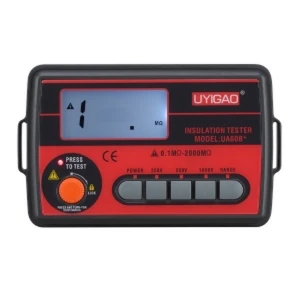
Uyigao UA60B+ Isolationsmessgerät CAT III 1000 V für Widerstände bis 2000 MΩ
40,52€
Nur noch 2 auf Lager

 OLED-Display 1,3 Zoll Arduino SH1106 IIC 4 Pins 128x64
5,71€