



0,45€
Auf Lager
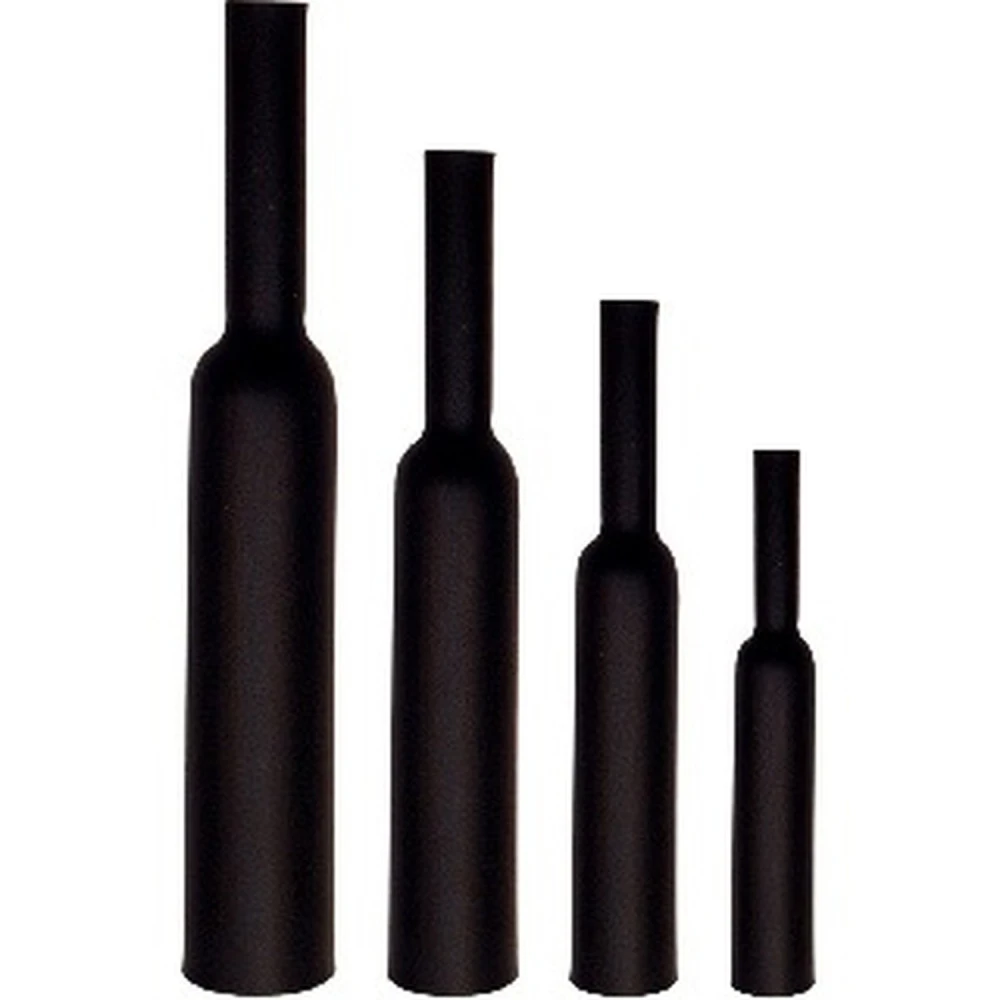
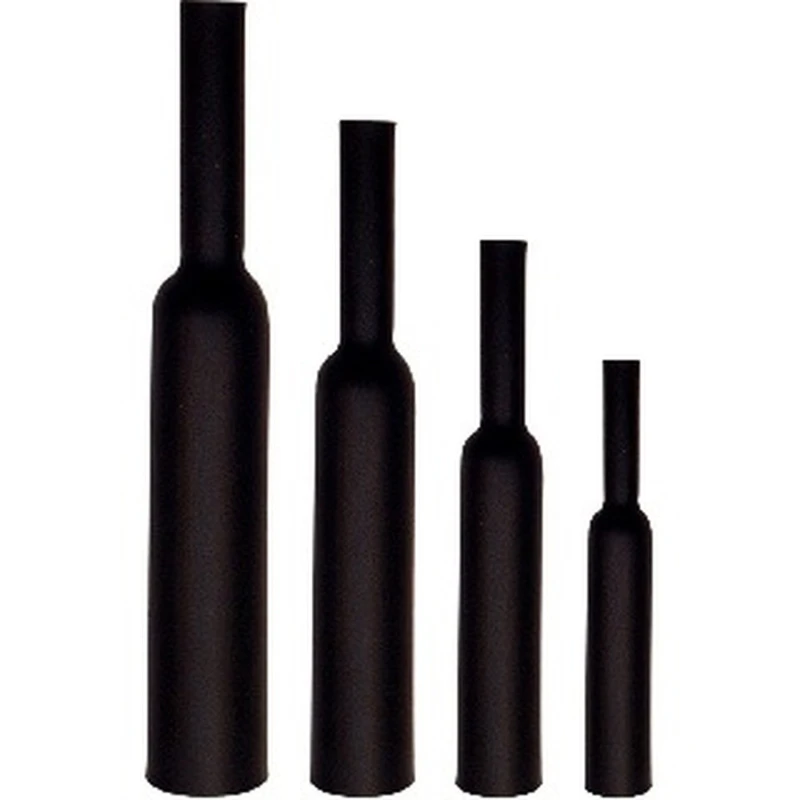
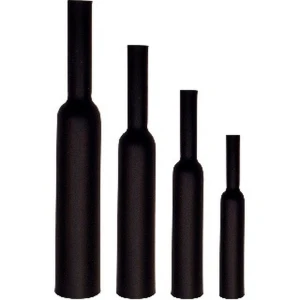
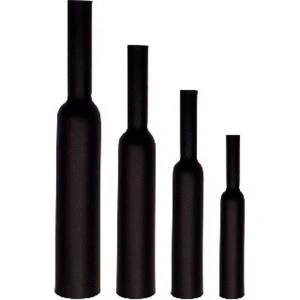
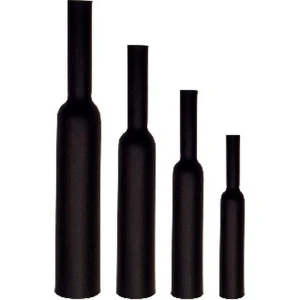
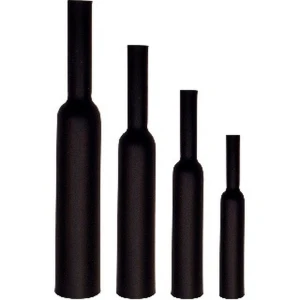
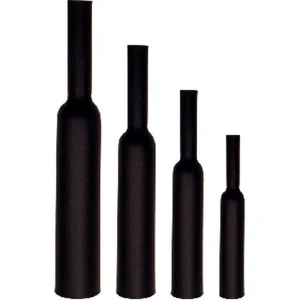
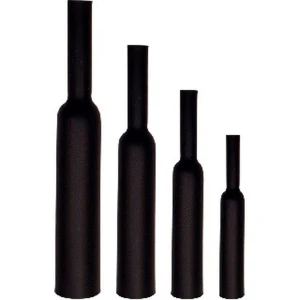
Schwarzer Schrumpfschlauch 13mm Preis pro Meter für elektrischen Schutz
Marke: satkit
0,45€
Inkl. MwSt. (Exkl. MwSt.: 0,38€)
Auf Lager - Sofort versandfertig
Standardlieferung
Mi, Apr 22 - Fr, Apr 24
Expresslieferung
Mo, Apr 20 - Di, Apr 21
30 Tage Rückgaberecht
Kostenlose Rücksendung innerhalb von 30 Tagen
Sichere Transaktion






Share:
Kostenlose Lieferung
Bei Bestellungen ab 300€
Einfache Rücksendung
30 Tage Rückgaberecht
Sichere Zahlung
100% sicherer Checkout
Qualitätsgarantie
Nur Originalprodukte
Produktbeschreibung
Der schwarze Schrumpfschlauch 13mm ist ein unverzichtbares Zubehör für den Schutz und die Isolierung von Kabeln in elektrischen und elektronischen Installationen. Er wird zum Preis pro Meter angeboten, sodass der Nutzer genau die Menge kaufen kann, die für sein Projekt benötigt wird.
Hauptmerkmale:
- Schwarze Farbe, ideal für professionelle und private Anwendungen.
- 13mm Durchmesser, geeignet für eine Vielzahl von Kabeln und Verbindungen.
- Schrumpfmaterial, das sich beim Erhitzen fest anpasst und eine sichere Isolierung gewährleistet.
- Verkauf pro Meter für maximale Flexibilität bei der Verwendung.
Typische Anwendungen:
- Schutz elektrischer Verbindungen vor Feuchtigkeit und Staub.
- Isolierung von Kabeln in Elektronik- und Elektroprojekten.
- Reparatur und Wartung elektrischer Installationen.
- Ordnen und Bündeln von Kabeln, um Schäden zu vermeiden und die Optik zu verbessern.
Kompatibilität:
Dieser Schrumpfschlauch ist mit den meisten elektrischen und elektronischen Kabeln kompatibel, die Isolierung und Schutz benötigen, insbesondere in Lötstationen, elektronischen Geräten und Installationswerkzeugen.
Zusätzliche Vorteile:
- Einfach zu verwenden: passt sich durch Wärmeeinwirkung schnell an.
- Haltbarkeit und Beständigkeit gegenüber den üblichen Bedingungen in elektrischen Installationen.
- Produkt der Marke Satkit, anerkannt im Bereich Werkzeuge und elektronisches Zubehör.
Für eine optimale Anwendung wird empfohlen, eine Heißluftpistole oder eine geeignete Wärmequelle zu verwenden, um das Schrumpfen des Schlauchs auszulösen.
Kaufen Sie jetzt den schwarzen Schrumpfschlauch 13mm pro Meter und schützen Sie Ihre Verbindungen mit Qualität und Vertrauen.
- Schwarzer Schrumpfschlauch mit 13mm Durchmesser
- Verkauf pro Meter für flexible Bedarfsmengen
- Robustes Material für sichere Isolierung
- Ideal zum Schutz und zur Bündelung von Kabeln
- Kompatibel mit den meisten elektrischen und elektronischen Kabeln
Kundenfragen & Antworten
Quina proporció de reducció té el tub termoretràctil de 13 mm i quin és el diàmetre mínim després d’aplicar-hi calor?
Aquest tub termoretràctil normalment té una proporció de reducció 2:1, cosa que significa que des d’un diàmetre inicial de 13 mm pot reduir-se fins a aproximadament 6,5 mm quan s’hi aplica calor uniforme. Alguns fabricants poden oferir variants de fins a 3:1. Es recomana verificar la fitxa tècnica específica si es requereix més exactitud.
Quin tipus de materials i gruixos conformen el tub, i és adequat per a ús a l’exterior o exposició a raigs UV?
Habitualment està fabricat en poliolefina, amb un gruix de paret que varia entre 0,4 mm i 0,7 mm després de la retracció. La poliolefina ofereix bona resistència mecànica i elèctrica. Tanmateix, no tots els tubs estan formulats per a resistència UV prolongada, per la qual cosa per a exterior es recomana confirmar les especificacions de la partida.
Quin rang de temperatures suporta el tub termoretràctil tant per a la retracció com en funcionament continu?
La temperatura de retracció sol estar en el rang de 90 a 120°C, i el material suporta funcionament continu proper a 125°C i períodes curts fins a 135°C. Una exposició prolongada per sobre d’aquest límit pot degradar les seves propietats físiques i elèctriques.
Quines longituds mínimes puc demanar i com se subministra: ve en seccions, rotlles o cada metre és continu?
El producte es ven per metre, i en comerços normalment se subministra en segments continus fins a esgotar la bobina; per exemple, una comanda de 5 metres normalment es lliura en una sola peça de 5 m si l’estoc ho permet. Poden existir empalmaments si se sol·licita una longitud superior a la del rotlle disponible.
Hi ha alguna norma de seguretat o certificació rellevant (com UL o RoHS) que compleixi aquest tub termoretràctil?
Molts tubs termoretràctils compleixen normatives com UL224 (inflamabilitat) i RoHS (restricció de substàncies perilloses), cosa que és rellevant per a aplicacions elèctriques i industrials. Tanmateix, cal consultar la certificació concreta del lot adquirit, ja que hi ha variants sense homologació.
What shrink ratio does the 13 mm heat-shrink tubing have, and what is the minimum diameter after heat is applied?
This heat-shrink tubing typically has a 2:1 shrink ratio, which means that from an initial diameter of 13 mm it can shrink to approximately 6.5 mm when heat is applied evenly. Some manufacturers may offer variants up to 3:1. We recommend checking the specific datasheet if greater accuracy is required.
What materials and thicknesses make up the tubing, and is it suitable for outdoor use or exposure to UV rays?
It is usually made from polyolefin, with a wall thickness ranging between 0.4 mm and 0.7 mm after shrinking. Polyolefin offers good mechanical and electrical resistance. However, not all tubing is formulated for prolonged UV resistance, so for outdoor use it is advisable to confirm the specifications of the batch.
What temperature range does the heat-shrink tubing withstand, both for shrinking and continuous operation?
The shrink temperature is usually in the range of 90 to 120°C, and the material supports continuous operation close to 125°C and short periods up to 135°C. Prolonged exposure above this limit may degrade its physical and electrical properties.
What minimum lengths can I order, and how is it supplied: in sections, rolls, or is each metre continuous?
The product is sold by the metre, and in shops it is usually supplied in continuous lengths until the reel runs out; for example, an order of 5 metres is normally delivered as a single 5 m piece if stock allows. There may be joins if a length greater than the available roll is requested.
Is there any relevant safety standard or certification (such as UL or RoHS) that this heat-shrink tubing complies with?
Many heat-shrink tubes comply with standards such as UL224 (flammability) and RoHS (restriction of hazardous substances), which is relevant for electrical and industrial applications. However, the specific certification for the batch purchased should be checked, as there are variants without approval.
Kundenbewertung schreiben
Kunden, die diesen Artikel gekauft haben, kauften auch
Ihre zuletzt angesehenen Artikel


 Schwarzer Schrumpfschlauch 13mm Preis pro Meter für elektrischen Schutz
0,45€