



2,14€
Auf Lager
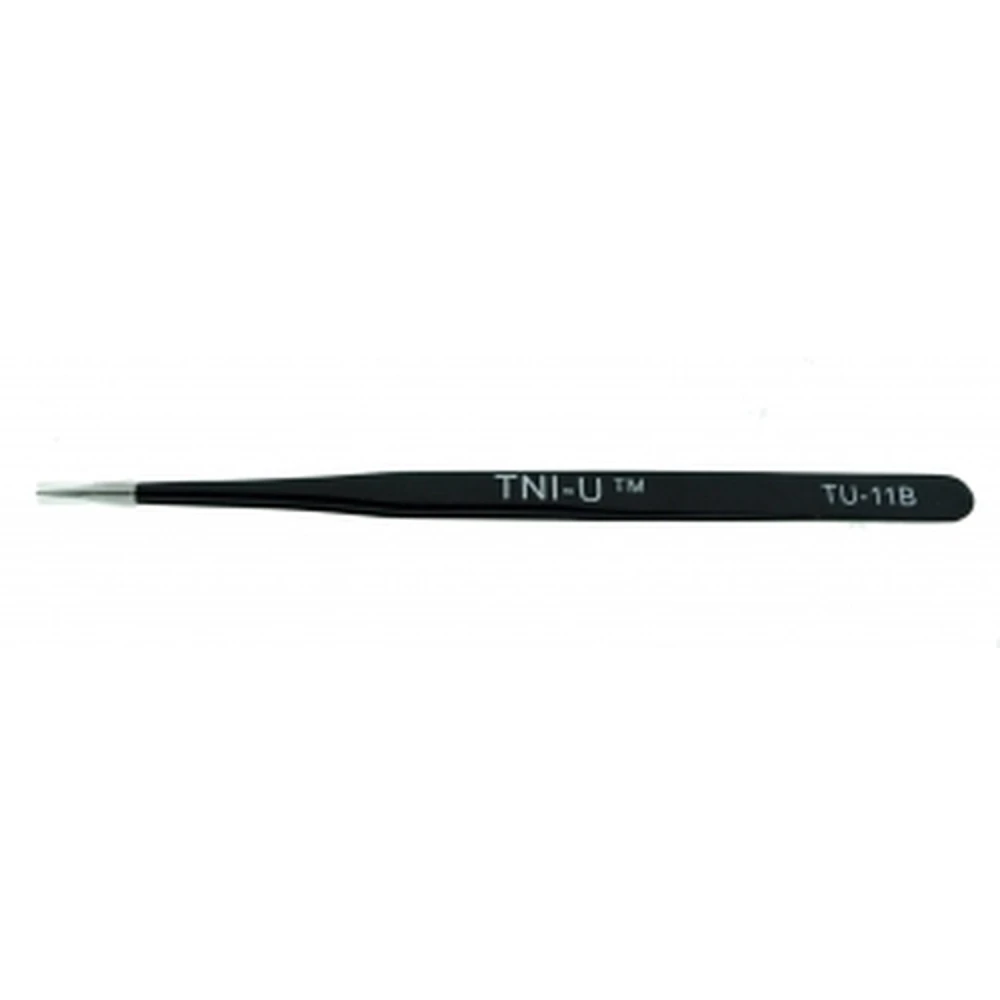
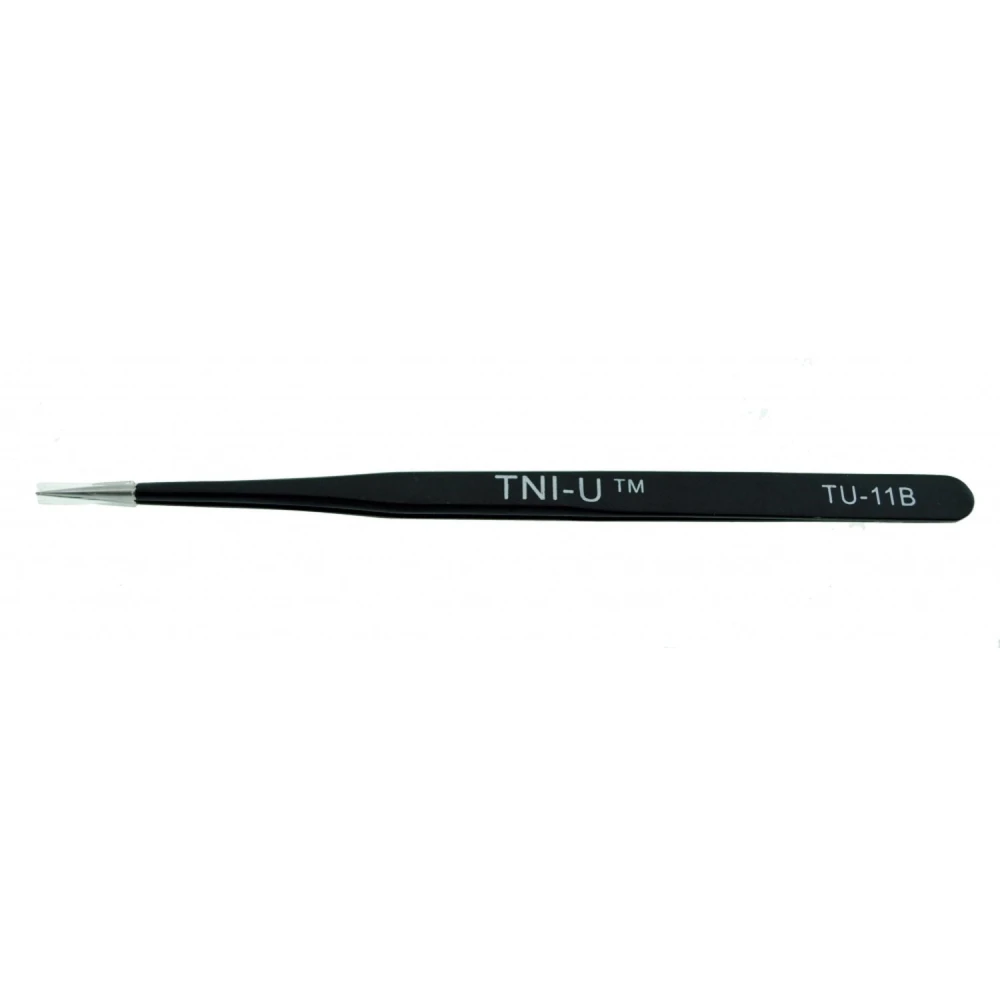
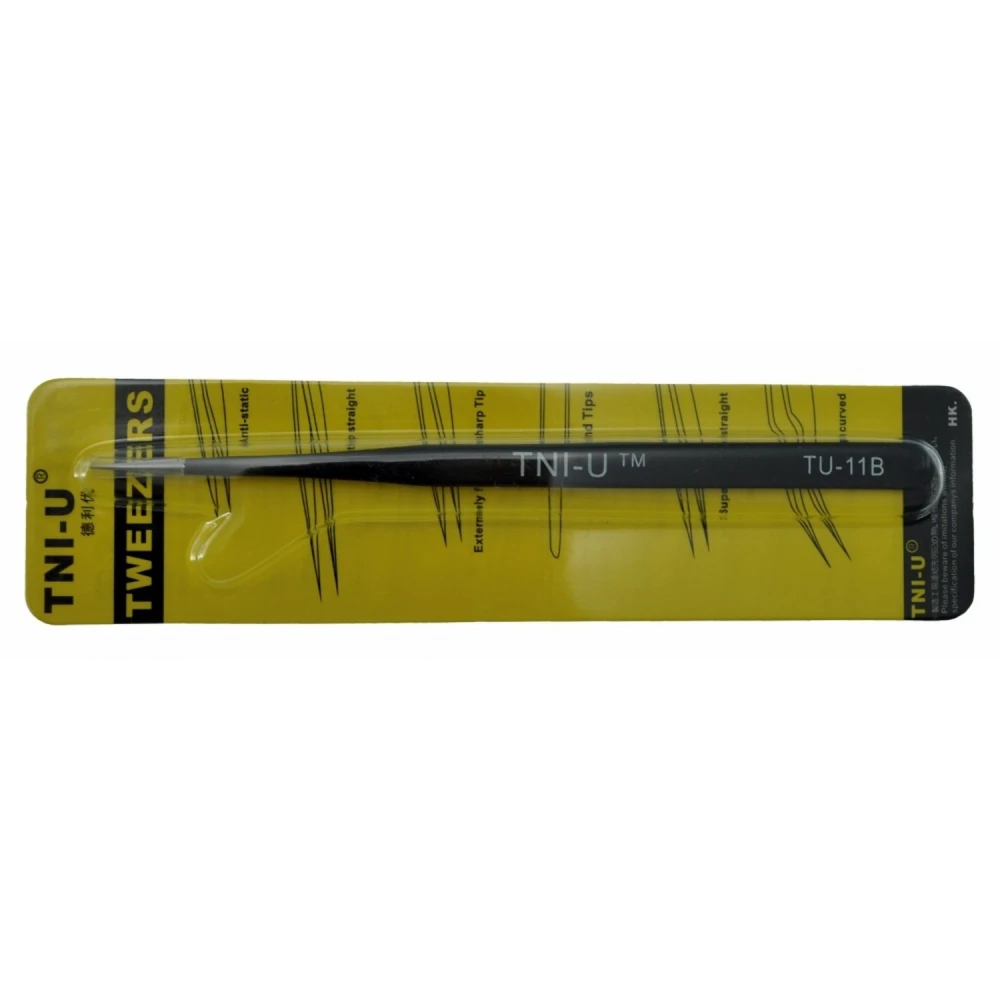
Hochpräzise antistatische Elektronik-Pinzette mit gerader Spitze
Marke: satkit
2,14€
Inkl. MwSt. (Exkl. MwSt.: 1,80€)
Auf Lager - Sofort versandfertig
Standardlieferung
Mi, Apr 22 - Fr, Apr 24
Expresslieferung
Mo, Apr 20 - Di, Apr 21
30 Tage Rückgaberecht
Kostenlose Rücksendung innerhalb von 30 Tagen
Sichere Transaktion






Share:
Kostenlose Lieferung
Bei Bestellungen ab 300€
Einfache Rücksendung
30 Tage Rückgaberecht
Sichere Zahlung
100% sicherer Checkout
Qualitätsgarantie
Nur Originalprodukte
Die Pinzas Antiestaticas Electronica Punta Recta sind ein unverzichtbares Werkzeug für Profis und Elektronik-Enthusiasten, die empfindliche Bauteile präzise und sicher handhaben müssen. Gefertigt aus hochwertigen Materialien, bieten diese Pinzetten ein ergonomisches Design und eine gerade Spitze, die den Zugang zu engen Stellen und das exakte Greifen kleiner Teile erleichtert.
Hauptmerkmale:
- Gerade Spitze für präzises und kontrolliertes Greifen.
- Antistatisches Design zum Schutz empfindlicher elektronischer Bauteile vor elektrostatischen Entladungen.
- Robuste und langlebige Konstruktion für den langfristigen Einsatz.
- Ideal für Lötarbeiten, Reparaturen und den Aufbau elektronischer Schaltungen.
Typische Anwendungen:
- Handhabung von Mikrobauteilen ohne Risiko von Schäden durch statische Elektrizität.
- Einsetzen und Entnehmen von Chips und Bauteilen auf Leiterplatten.
- Lötarbeiten und Reballing, bei denen Präzision und Kontrolle erforderlich sind.
- Reparatur und Wartung elektronischer Geräte und Modchips.
Kompatibilität: Diese Pinzetten sind mit einer Vielzahl von Anwendungen in der Elektronik, Lötstationen, Messgeräten und Präzisionswerkzeugen kompatibel. Sie eignen sich für Elektronikprofis, Reparaturtechniker und DIY-Enthusiasten im Bereich Elektronik.
Mit einem günstigen Preis und schnellem Versand sind die Pinzas Antiestaticas Electronica Punta Recta von satkit die zuverlässige Wahl für alle, die Qualität und Funktionalität bei antistatischen Werkzeugen für die Elektronik suchen.
- Gerade Spitze für präzises Arbeiten an Bauteilen.
- Antistatisches Design schützt vor elektrostatischen Entladungen.
- Langlebige Konstruktion für den dauerhaften Einsatz.
- Ideal für Lötarbeiten, Reparaturen und Elektronikmontage.
- Kompatibel mit vielfältigen Anwendungen in der Elektronik und mit Lötstationen.
Kundenfragen & Antworten
Quins avantatges ofereix el recobriment antiestàtic a les pinces de punta recta per a treballs electrònics?
El recobriment antiestàtic redueix el risc de descàrregues electrostàtiques (ESD) que poden danyar components sensibles, com xips o microcontroladors. Això aporta més seguretat durant la manipulació de circuits integrats en comparació amb pinces metàl·liques comunes que poden provocar fallades per ESD.
De quins materials estan fabricades aquestes pinces i quina és la seva longitud total?
Aquestes pinces solen estar fabricades en acer inoxidable, amb un recobriment antiestàtic especial. La longitud típica és de 120 mm, tot i que pot variar lleugerament segons el fabricant. El material ofereix resistència a la corrosió i precisió en la manipulació.
Aquestes pinces antiestàtiques requereixen algun manteniment específic per conservar les seves propietats?
Es recomana netejar les pinces regularment amb un drap sec i evitar substàncies abrasives que puguin danyar el recobriment antiestàtic. És important guardar-les en ambients secs per prevenir la corrosió. No requereixen calibratge ni altres manteniments tècnics.
Són adequades aquestes pinces per manipular components SMD molt petits, com resistències 0402?
Sí, la punta recta i fina permet una bona precisió per agafar components SMD tan petits com el format 0402. Tanmateix, per a treballs de màxima precisió o d’accés difícil, es podrien considerar variants amb punta ultrafina o corba per a un control més gran.
Compleixen aquestes pinces amb alguna normativa internacional sobre seguretat ESD?
En general, aquests productes estan dissenyats per a entorns ESD i solen complir normes com IEC 61340-5-1. No obstant això, per a aplicacions crítiques, es recomana verificar la certificació específica del lot o del fabricant, ja que podria variar.
What advantages does the anti-static coating offer on straight-point tweezers for electronic work?
The anti-static coating reduces the risk of electrostatic discharge (ESD) that can damage sensitive components such as chips or microcontrollers. This provides greater safety when handling integrated circuits compared with ordinary metal tweezers that may cause ESD-related failures.
What materials are these tweezers made from, and what is their overall length?
These tweezers are usually made from stainless steel, with a special anti-static coating. The typical length is 120 mm, although this may vary slightly depending on the manufacturer. The material offers corrosion resistance and precise handling.
Do these anti-static tweezers require any specific maintenance to preserve their properties?
It is recommended to clean the tweezers regularly with a dry cloth and avoid abrasive substances that could damage the anti-static coating. They should be stored in dry environments to prevent corrosion. No calibration or other technical maintenance is required.
Are these tweezers suitable for handling very small SMD components, such as 0402 resistors?
Yes, the straight, slim tip allows good precision for picking up SMD components as small as 0402. However, for the highest precision work or difficult access, you may want to consider ultra-fine or curved-tip variants for greater control.
Do these tweezers comply with any international ESD safety standards?
In general, these products are designed for ESD environments and usually comply with standards such as IEC 61340-5-1. However, for critical applications, it is recommended to verify the specific batch or manufacturer certification, as this may vary.
Kundenbewertung schreiben
Kunden, die diesen Artikel gekauft haben, kauften auch



Ihre zuletzt angesehenen Artikel
 Hochpräzise antistatische Elektronik-Pinzette mit gerader Spitze
2,14€