


5,95€
Auf Lager
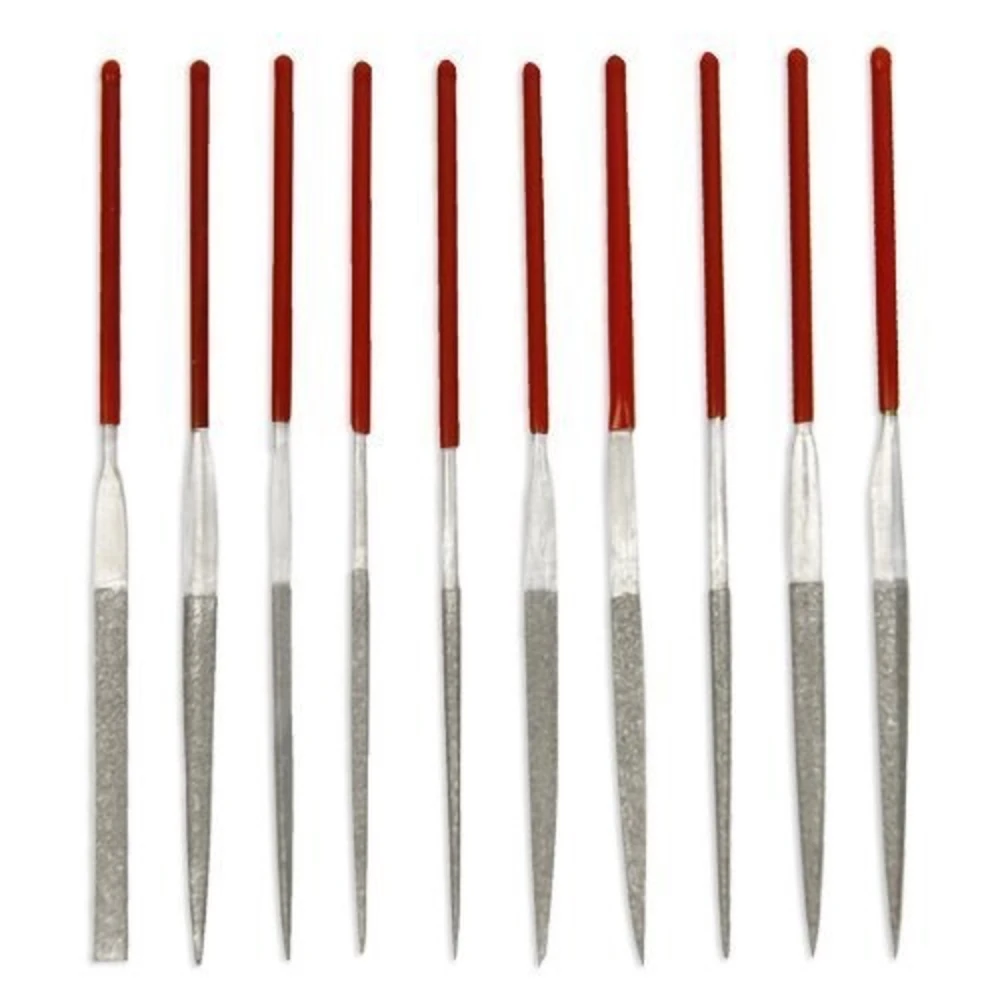
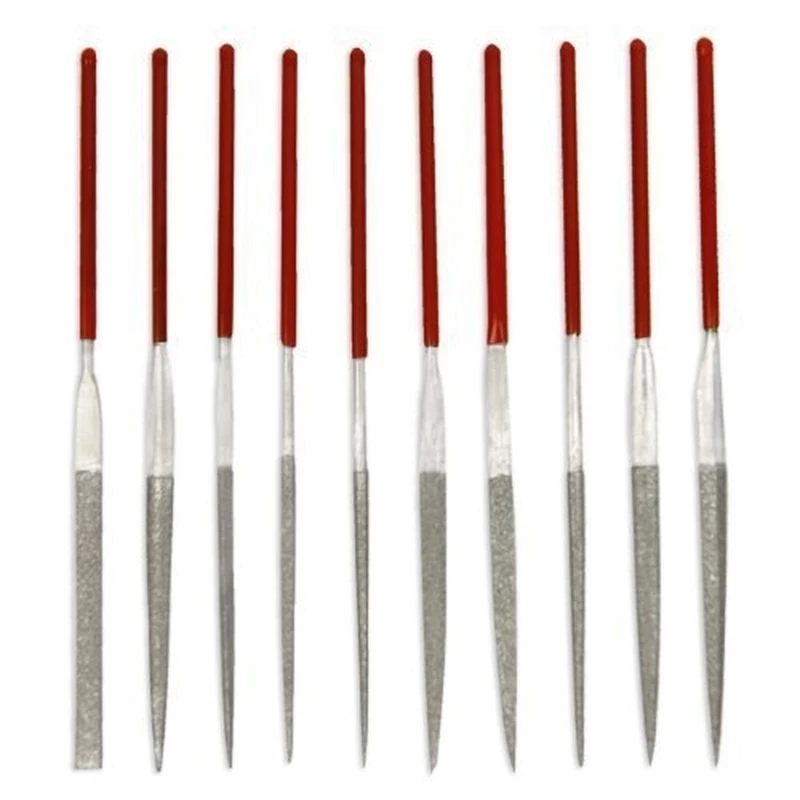
10er Set Mini-Feilen ultra fein für Elektronik und Präzisionslöten
Marke: satkit
5,95€
Inkl. MwSt. (Exkl. MwSt.: 5,00€)
Begrenzter Vorrat
Standardlieferung
Mi, Apr 22 - Fr, Apr 24
Expresslieferung
Mo, Apr 20 - Di, Apr 21
30 Tage Rückgaberecht
Kostenlose Rücksendung innerhalb von 30 Tagen
Sichere Transaktion






Share:
Kostenlose Lieferung
Bei Bestellungen ab 300€
Einfache Rücksendung
30 Tage Rückgaberecht
Sichere Zahlung
100% sicherer Checkout
Qualitätsgarantie
Nur Originalprodukte
10er Set ultra feine Mini-Feilen für Elektronik- und Präzisionsarbeiten
Dieses Set aus ultra feinen Mini-Feilen ist ein unverzichtbares Werkzeug für Profis und Elektronik-Enthusiasten, die bei ihren Arbeiten höchste Präzision benötigen. Mit einer kompakten Größe von 100 x 2 mm ermöglichen diese Feilen eine detaillierte Bearbeitung von elektronischen Bauteilen, Modchips und empfindlichen Lötstellen.
Hauptmerkmale:
- Enthält 10 Feilen in verschiedenen Formen für unterschiedliche Anforderungen:
- 1.8 mm quadratisch konisch
- 2.4 mm dreieckig konisch
- 2.0 mm rund konisch
- 3.6 mm rechteckig flach
- 3.4 mm konisch flach
- 3.0 mm flach konisch
- 2.2 mm oval konisch
- 3.8 mm flach / konkav konisch
- 3.6 mm doppelt konkav
- 3.8 mm konisch flach / Winkel
- Für präzises Feilen in engen und empfindlichen Bereichen entwickelt
- Ideal für Arbeiten an Elektronik, Modchips und feinen Lötarbeiten
- Hochwertiges Material für Langlebigkeit und Effizienz
Typische Anwendungen:
- Reparatur und Wartung elektronischer Schaltungen
- Formen und Anpassen kleiner Teile in der Elektronik
- Vorbereitung von Oberflächen für Löten und BGA-Reballing
- Präzisionsarbeiten an Modchips und elektronischem Zubehör
Kompatibilität: Diese Mini-Feilen sind mit jeder Lötstation und elektronischen Werkzeugen kompatibel, die Feinarbeiten und Präzision an kleinen Bauteilen erfordern.
Dieses Set ist eine praktische und komplette Lösung für alle, die vielseitige ultra feine Feilen für ihre Elektronik- und Lötprojekte suchen.
- 10er Set ultra feiner Mini-Feilen in verschiedenen Formen und Größen
- Kompakte Größe von 100 x 2 mm, ideal für Präzisionsarbeiten
- Enthält quadratische, dreieckige, runde, flache, ovale und konische Feilen
- Ideal für Elektronik, Modchips, Löten und feine Reparaturen
- Langlebiges Material für den dauerhaften Einsatz bei empfindlichen Arbeiten
Kundenfragen & Antworten
Quines aplicacions són més recomanables per al joc de mini llimes ultra fines en comparació amb llimes estàndard?
Aquestes mini llimes ultra fines són especialment adequades per a treballs de precisió, com modelisme, electrònica i rellotgeria, on cal retirar material en espais molt reduïts. En comparació amb llimes estàndard, permeten més control en acabats fins i detalls, però la seva capacitat d'arrencada de material és menor a causa de la seva mida i superfície limitada.
De quin material estan fabricades les llimes i quines toleràncies de desgast presenten en ús intensiu?
Generalment estan fabricades en acer endurit, sovint amb recobriment diamantat o carbur per a més durabilitat. En ús intensiu sobre materials tous com plàstic o fusta, el desgast és baix, però en llimar metalls durs es redueix significativament la seva vida útil. Típicament, la seva tolerància a la pèrdua d'abrasiu és de ±10 % després de 30-50 hores d'ús moderat, depenent del material treballat.
Quines cures específiques requereixen per evitar l'obstrucció i maximitzar la vida útil de les mini llimes?
Per evitar l'obstrucció es recomana netejar les llimes regularment amb un raspall de llautó i, en cas de llimar metalls tous, fer servir guix o cera per reduir l'adherència. És fonamental evitar forçar la llima i guardar-les seques per prevenir la corrosió. Un manteniment adequat pot duplicar-ne la vida útil en condicions normals.
Hi ha alguna normativa de seguretat o recomanació tècnica aplicable a l'ús d'aquest tipus de mini llimes?
No estan subjectes a normatives específiques com les màquines elèctriques, però es recomana l'ús d'ulleres de protecció davant despreniments de partícules. És aconsellable no utilitzar guants per mantenir la precisió i evitar atrapaments. Són adequades per a treballs manuals de baix risc sempre que s'emprin amb precaució.
What applications are the ultra-fine mini file set best suited to compared with standard files?
These ultra-fine mini files are especially suitable for precision work such as modelling, electronics and watchmaking, where material needs to be removed in very confined spaces. Compared with standard files, they offer greater control for fine finishes and detail work, but their cutting capacity is lower due to their size and limited surface area.
What are the files made from, and what wear tolerances do they show under heavy use?
They are generally made from hardened steel, often with a diamond or carbide coating for greater durability. Under heavy use on soft materials such as plastic or wood, wear is low, but filing hard metals significantly reduces their service life. Typically, their abrasive loss tolerance is ±10% after 30–50 hours of moderate use, depending on the material being worked.
What specific care is needed to prevent clogging and maximise the life of the mini files?
To prevent clogging, it is recommended to clean the files regularly with a brass brush and, when filing soft metals, use chalk or wax to reduce adhesion. It is essential not to force the file and to store them dry to prevent corrosion. Proper maintenance can double their service life under normal conditions.
Are there any safety standards or technical recommendations applicable to the use of this type of mini file?
They are not subject to specific regulations like electrical machines, but the use of safety glasses is recommended in case particles are dislodged. It is advisable not to use gloves in order to maintain precision and avoid entanglement. They are suitable for low-risk manual work as long as they are used with care.
What applications are the ultra-fine mini file set best suited to compared with standard files?
These ultra-fine mini files are especially suitable for precision work, such as model making, electronics and watchmaking, where material must be removed in very confined spaces. Compared with standard files, they offer greater control for fine finishes and detail work, but their cutting capacity is lower due to their size and limited surface area.
What are the files made from, and what wear tolerances do they show under heavy use?
They are generally made from hardened steel, often with a diamond or carbide coating for greater durability. Under heavy use on soft materials such as plastic or wood, wear is low, but filing hard metals significantly reduces their service life. Typically, their abrasive loss tolerance is ±10% after 30–50 hours of moderate use, depending on the material being worked.
Kundenbewertung schreiben
Kunden, die diesen Artikel gekauft haben, kauften auch

Ihre zuletzt angesehenen Artikel

 10er Set Mini-Feilen ultra fein für Elektronik und Präzisionslöten
5,95€