


3,57€
Auf Lager
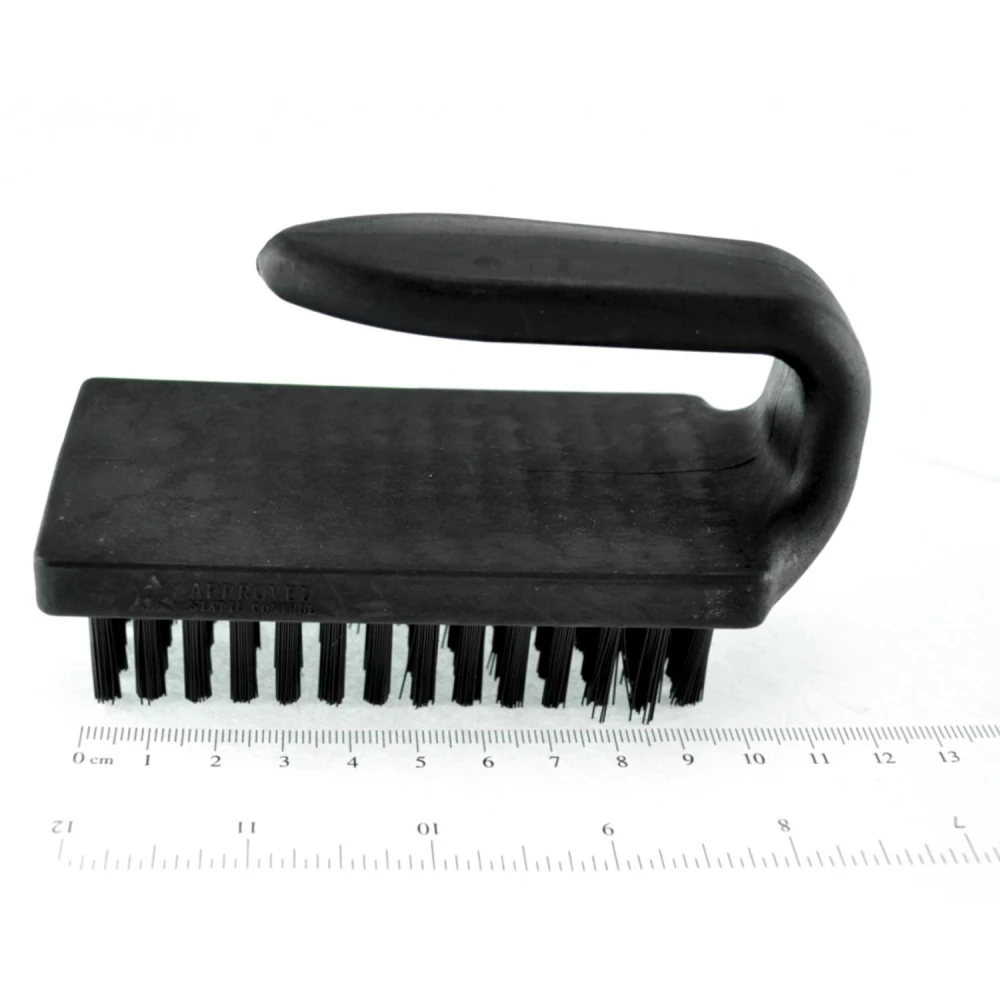
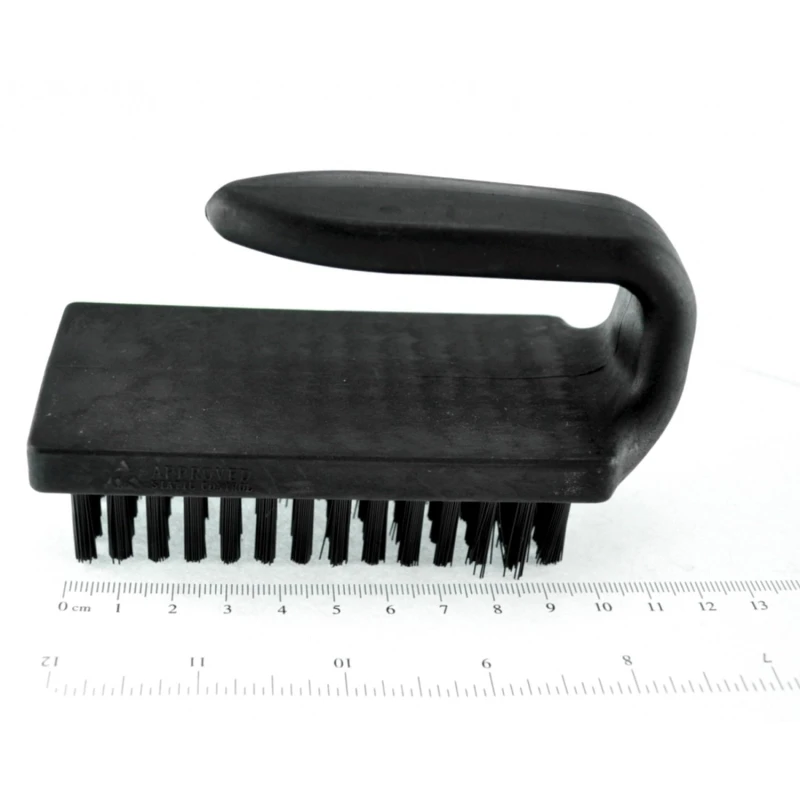
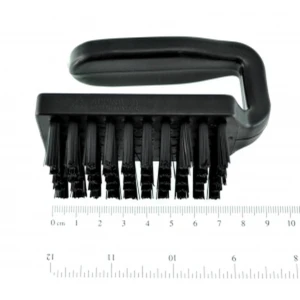
Große antistatische Reballing-Bürste Typ-10 von Mlink
Marke: Mlink
3,57€
Inkl. MwSt. (Exkl. MwSt.: 3,00€)
Begrenzter Vorrat
Standardlieferung
Mi, Apr 22 - Fr, Apr 24
Expresslieferung
Mo, Apr 20 - Di, Apr 21
30 Tage Rückgaberecht
Kostenlose Rücksendung innerhalb von 30 Tagen
Sichere Transaktion






Share:
Kostenlose Lieferung
Bei Bestellungen ab 300€
Einfache Rücksendung
30 Tage Rückgaberecht
Sichere Zahlung
100% sicherer Checkout
Qualitätsgarantie
Nur Originalprodukte
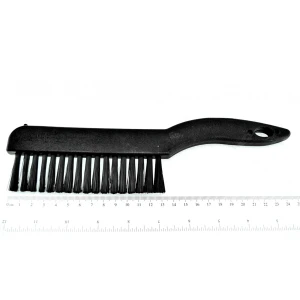
Die große antistatische Reballing-Bürste Typ-10 der Marke Mlink ist ein unverzichtbares Werkzeug für Profis und Hobbyanwender, die Reballing-Arbeiten und die Wartung von Leiterplatten (PCB) durchführen. Speziell dafür entwickelt, die Ansammlung statischer Elektrizität zu vermeiden, sorgt diese Bürste für eine sichere und effektive Reinigung von Oberflächen, die mit Lötkugeln in Kontakt kommen.
Hauptmerkmale:
- Antistatische Behandlung: Verhindert die Entstehung statischer Elektrizität, die empfindliche elektronische Bauteile beschädigen könnte.
- Optimale Abmessungen: Gesamtlänge von 100 mm, mit 20 mm langen Borsten und einer Borstenbreite von 90x40 mm, was die Reinigung großer und empfindlicher Bereiche erleichtert.
- Ergonomisches Design: Größe und Form ermöglichen eine komfortable und präzise Handhabung während des Reballing-Prozesses.
Empfohlene Anwendungen:
- Reinigung von PCB vor und nach dem Reballing-Prozess, um eine staub- und rückstandsfreie Oberfläche sicherzustellen.
- Entfernen von Partikeln, die die Haftung von Lötkugeln beeinträchtigen könnten.
- Einsatz in Lötstationen und Werkstätten für Elektronikreparaturen.
Kompatibilität: Kompatibel mit jeder Art von Leiterplatte, die eine antistatische Reinigung erfordert, insbesondere bei BGA-Reballing-Prozessen und der Reparatur elektronischer Bauteile.
Diese Bürste ist ein unverzichtbares Zubehör für alle, die bei ihren elektronischen Lötarbeiten Qualität und Präzision bewahren möchten, und sorgt für eine Umgebung ohne statische Elektrizität, die die Integrität der Geräte beeinträchtigen könnte.
- Antistatische Behandlung zum Schutz vor Schäden durch statische Elektrizität
- Gesamtlänge von 100 mm für komfortable Handhabung
- 20 mm lange Borsten für präzise Reinigung
- Borstenbreite 90x40 mm zum Abdecken größerer Flächen
- Ideal für Reinigung bei Reballing und PCB-Reparatur
Kundenfragen & Antworten
Com es compara la mida i l’àrea de les truges (90x40 mm) respecte als raspalls estàndard per a treballs de precisió en reballing?
L’àrea de truges de 90x40 mm en aquest model és considerablement més gran que la dels raspalls estàndard (normalment 40x20 mm), cosa que facilita la neteja de zones àmplies de PCB però pot limitar la precisió en espais estrets típics de components SMD.
Quin material tenen les truges i com contribueix a la propietat antiestàtica del raspall?
Les truges estan fetes habitualment de fibres sintètiques conductives, com niló tractat amb filaments de carboni, cosa que permet dissipar càrregues electrostàtiques i reduir el risc de dany per ESD en circuits sensibles.
Quines són les dimensions exactes del raspall i es pot manipular amb precisió en àrees petites d’una PCB?
El raspall fa 250 mm de llarg total, amb truges de 33 mm de llarg i 130 mm d’ample; la seva mida gran permet cobrir àrees extenses ràpidament, però pot resultar poc adequat per a una neteja fina en pistes molt petites.
Hi ha limitacions pel que fa als solvents o productes de neteja compatibles amb el raspall?
Es recomana evitar solvents altament corrosius, com l’acetona pura, que poden degradar les truges sintètiques. L’alcohol isopropílic (<99%) i l’aigua desionitzada són habitualment compatibles.
El raspall compleix alguna normativa internacional referent a protecció ESD en entorns electrònics?
Tot i que compleix les millors pràctiques per a ESD, no disposa d’informació explícita de certificacions específiques com ANSI/ESD S20.20 o IEC 61340-5-1. Es recomana confirmar els requisits de certificació en casos crítics.
What is the main advantage of the anti-static treatment on this brush compared with conventional brushes when cleaning PCB boards?
The anti-static treatment significantly reduces the risk of static electricity build-up and discharge, helping to prevent damage to sensitive components during reballing or printed circuit cleaning operations, where conventional brushes can generate unintended discharges.
What materials are used for the bristles and handle of the type-10 brush, and what is its approximate weight?
The bristles are usually made from synthetic fibre with anti-static additives, and the handle is made from plastic treated to dissipate static, although the manufacturer does not specify exact details on the datasheet. Its typical weight ranges from 20 to 35 g, ideal for delicate handling.
Can this brush be used with cleaning solvents such as isopropyl alcohol without degrading the bristles?
Yes, the brush is designed to withstand most mild solvents, such as 99% isopropyl alcohol used in electronics. However, prolonged exposure to strong solvents could affect the service life of the bristles.
What maintenance or cleaning considerations are required for the bristles to preserve their anti-static properties?
To maintain the anti-static properties, it is advisable to clean the bristles after each use with compressed air or a gentle rinse, avoiding harsh detergents or temperatures above 60°C, which can reduce anti-static effectiveness.
How does the size and bristle area (90x40 mm) compare with standard brushes for precision reballing work?
The 90x40 mm bristle area on this model is considerably larger than standard brushes (usually 40x20 mm), making it easier to clean large PCB areas but potentially limiting precision in narrow spaces typical of SMD components.
Kundenbewertung schreiben
Kunden, die diesen Artikel gekauft haben, kauften auch
 Große antistatische Reballing-Bürste Typ-10 von Mlink
3,57€