



5,95€
Auf Lager
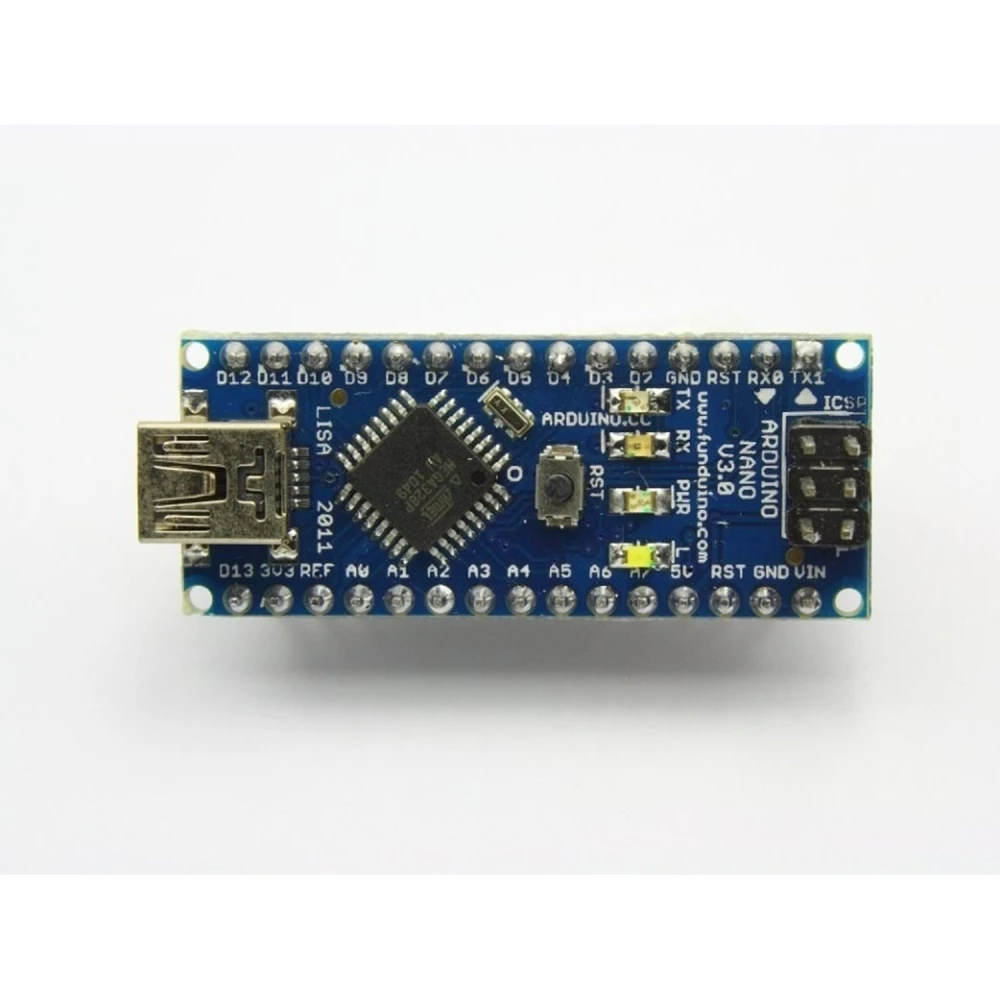
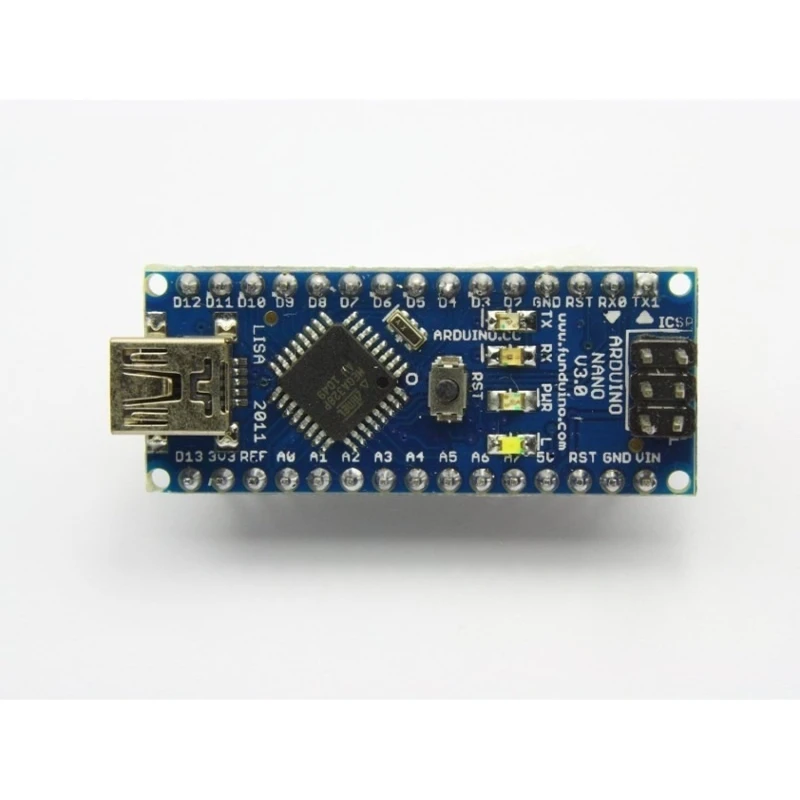
Nano V3.0 AVR ATmega328 P-20AU kompatibel mit Arduino
Marke: satkit
5,95€
Inkl. MwSt. (Exkl. MwSt.: 5,00€)
Auf Lager - Sofort versandfertig
Standardlieferung
Mi, Apr 22 - Fr, Apr 24
Expresslieferung
Mo, Apr 20 - Di, Apr 21
30 Tage Rückgaberecht
Kostenlose Rücksendung innerhalb von 30 Tagen
Sichere Transaktion






Share:
Kostenlose Lieferung
Bei Bestellungen ab 300€
Einfache Rücksendung
30 Tage Rückgaberecht
Sichere Zahlung
100% sicherer Checkout
Qualitätsgarantie
Nur Originalprodukte
Die Nano V3.0 AVR ATmega328 P-20AU ist eine mit Arduino kompatible Entwicklungsplatine, die eine kompakte und funktionale Lösung für Elektronik- und Programmierprojekte bietet. Diese Platine integriert den Mikrocontroller ATmega328 P-20AU, der für seine Effizienz und Kompatibilität mit dem Arduino-Ökosystem bekannt ist.
Ihr kompaktes Design ermöglicht den Einsatz auf engem Raum und erleichtert die Entwicklung von Prototypen und Anwendungen in den Bereichen Robotik, Hausautomation, Automatisierung und technische Bildung.
Hauptmerkmale
- Mikrocontroller: ATmega328 P-20AU kompatibel mit Arduino.
- Kompatibilität: Vollständig kompatibel mit der Entwicklungsumgebung Arduino IDE.
- Kompakte Abmessungen: Ideal für Projekte mit begrenztem Platz.
- Konnektivität: Digitale und analoge Ein- und Ausgangspins für vielfältige Anwendungen.
- Einfache Programmierung: USB-kompatibel für eine einfache und schnelle Programmierung.
Technische Daten
- Mikrocontroller: AVR ATmega328 P-20AU
- Kompatibilität: Arduino Nano V3.0
- Betriebsspannung: Standard-Arduino (nicht angegeben)
- Schnittstellen: Digitale und analoge Pins für Sensoren und Aktoren
Typische Anwendungen
Diese Platine ist ideal für Entwickler, Studenten und Hobbyanwender, die Elektronik-, Automatisierungs-, Robotik- und Steuerungsprojekte umsetzen möchten. Ihre Kompatibilität mit Arduino macht sie perfekt, um die Programmierung von Mikrocontrollern zu erlernen und funktionale Prototypen zu entwickeln.
Kompatibilität
Die Nano V3.0 AVR ATmega328 P-20AU ist mit den meisten Shields und Modulen kompatibel, die für Arduino Nano entwickelt wurden, und ermöglicht so die Erweiterung der Funktionen für komplexere Projekte.
- Kompatibel mit Arduino Nano V3.0 und der Arduino IDE
- AVR ATmega328 P-20AU Mikrocontroller
- Kompaktes Design für kleine Projekte
- Digitale und analoge Pins für vielfältige Verbindungen
- Einfach per USB zu programmieren
Kundenfragen & Antworten
Quines diferències funcionals presenta el Nano V3.0 respecte a altres models Arduino com l’Uno en termes de mida i connectivitat?
El Nano V3.0 utilitza el mateix microcontrolador ATmega328P que l’Uno, però ofereix un format més compacte (al voltant de 45 mm × 18 mm) i connectors tipus pin header mascle, cosa que en facilita el muntatge en protoboards. No té connector d’alimentació tipus jack, però es pot alimentar per USB mini-B o per pins VIN (7-12 V).
Quins són els paràmetres elèctrics recomanats per operar aquest mòdul de manera segura?
El Nano V3.0 funciona amb un voltatge d’entrada recomanat entre 7 i 12 V a través del pin VIN, o 5 V directament regulats pel pin 5V. El seu consum típic no supera els 19 mA en repòs, amb una tolerància de corrent màxima de 40 mA per pin I/O. La temperatura operativa suggerida és de -40 °C a +85 °C segons l’especificació de l’ATmega328P.
Què inclou exactament la caixa del producte i quins accessoris hauria de comprar a part per començar a programar el Nano V3.0?
Generalment, la caixa inclou només la placa Nano V3.0 muntada, sense cables, headers soldats ni cable USB. Cal disposar d’un cable USB mini-B per a la programació i, si es prefereix, soldar headers per a l’ús en protoboard.
Cal instal·lar drivers addicionals per al seu funcionament en sistemes operatius Windows o Linux?
Sí, en la majoria dels casos cal instal·lar el driver CH340/CH341 si el Nano utilitza aquest convertidor USB-sèrie. A Windows, es recomana descarregar el driver oficial; a Linux, normalment es reconeix automàticament, però pot requerir configuració de permisos.
Quins límits d’ús i càrregues externes s’han de respectar per evitar danyar el Nano V3.0 en projectes amb sensors o actuadors?
Cada pin digital suporta fins a 40 mA; superar aquest valor pot danyar el microcontrolador. La suma total de corrent extreta de tots els pins no ha de superar mai els 200 mA. Per a dispositius que demanin més corrent (motors, relés), es recomana fer servir fonts o circuits de control externs.
What functional differences does the Nano V3.0 have compared with other Arduino models such as the Uno in terms of size and connectivity?
The Nano V3.0 uses the same ATmega328P microcontroller as the Uno, but offers a more compact form factor (around 45 mm × 18 mm) and male pin header connectors, which makes it easier to mount on breadboards. It does not have a barrel power jack, but can be powered via mini-B USB or through the VIN pins (7–12 V).
What electrical parameters are recommended to operate this module safely?
The Nano V3.0 works with a recommended input voltage between 7 and 12 V via the VIN pin, or 5 V directly regulated through the 5V pin. Its typical consumption does not exceed 19 mA at idle, with a maximum current tolerance of 40 mA per I/O pin. The suggested operating temperature is -40 °C to +85 °C according to the ATmega328P specification.
What exactly is included in the product box, and what accessories would I need to buy separately to start programming the Nano V3.0?
Generally, the box includes only the assembled Nano V3.0 board, with no cables, soldered headers or USB cable. You will need a mini-B USB cable for programming and, if preferred, headers to be soldered for breadboard use.
Is additional driver installation required for it to work on Windows or Linux operating systems?
Yes, in most cases it is necessary to install the CH340/CH341 driver if the Nano uses this USB-to-serial converter. On Windows, it is recommended to download the official driver; on Linux, it is usually recognised automatically, but permissions may need configuring.
What usage limits and external loads should be respected to avoid damaging the Nano V3.0 in projects with sensors or actuators?
Each digital pin supports up to 40 mA; exceeding this value may damage the microcontroller. The total current drawn from all pins must never exceed 200 mA. For devices that require more current (motors, relays), it is recommended to use external power supplies or control circuits.
Kundenbewertung schreiben
Kunden, die diesen Artikel gekauft haben, kauften auch
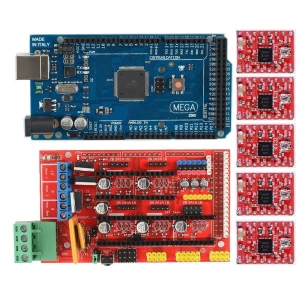
Reprap RAMPS 1.4 + Arduino Mega + 5 A4988 Stepper-Treiber für 3D-Drucker
31,29€
Nur noch 6 auf Lager
Ihre zuletzt angesehenen Artikel
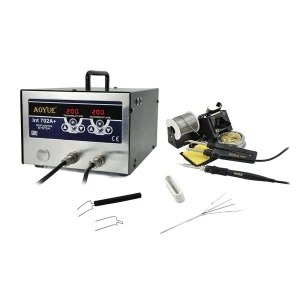
Aoyue Int 702a+ Lötstation mit Lötkolben und Pinzette für PCB-Reparatur
212,12€
Nur noch 1 auf Lager
 Nano V3.0 AVR ATmega328 P-20AU kompatibel mit Arduino
5,95€