

Kompatibler Akku JVC BN-V114U für Digitalkameras und Camcorder
Marke: satkit
Inkl. MwSt. (Exkl. MwSt.: 2,88€)






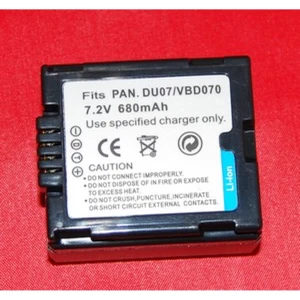
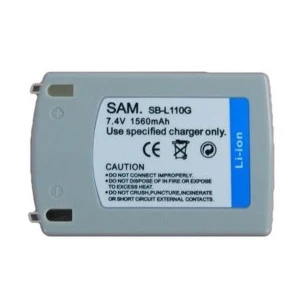
Der kompatible Akku JVC BN-V114U ist ein idealer Ersatz für Digitalkameras und Camcorder der Marke JVC, die dieses spezielle Akkumodell verwenden. Entwickelt für eine zuverlässige und langlebige Leistung, ist dieser Akku eine praktische Lösung für Nutzer, die ihr Gerät jederzeit einsatzbereit halten möchten, um Bilder und Videos aufzunehmen.
Hauptmerkmale:
- Spannung: 7.4V, geeignet für Kameras, die diese Spezifikation benötigen.
- Kapazität: 1500mAh, für eine längere Laufzeit bei durchgehenden Einsätzen.
- Akkutyp: Li-Polymer, bekannt für hohe Effizienz und geringes Gewicht.
- Zustand: Neu, für optimale Leistung ab dem ersten Einsatz.
- Gewicht: 146 Gramm, was die Handhabung und den Transport erleichtert, ohne Ihr Equipment unnötig zu belasten.
Dieser Akku ist kompatibel mit Kameras, die das Modell BN-V114U unterstützen. Es wird empfohlen, vor dem Kauf die Bedienungsanleitung Ihrer Kamera zu prüfen, um die Kompatibilität zu bestätigen.
Typische Verwendungszwecke:
- Ersatz für entladene oder beschädigte Akkus in JVC-Kameras.
- Als Zusatzakku, um die Aufnahme- oder Fotozeit ohne Unterbrechung zu verlängern.
- Ideal für Fotografen und Videografen, die eine zuverlässige und mobile Stromversorgung benötigen.
Kompatibilität und Empfehlungen:
Kompatibel mit JVC-Kameras, die BN-V114U-Akkus unterstützen. Für die beste Nutzung prüfen Sie das genaue Akkumodell Ihrer Kamera in der Bedienungsanleitung oder auf dem Etikett des Akkufachs.
Verfügbarkeit: Derzeit ist dieses Produkt nicht auf Lager. Wir empfehlen, zukünftige Nachlieferungen im Blick zu behalten oder in unserem Shop nach kompatiblen Alternativprodukten zu suchen.
Für weitere Informationen oder Unterstützung steht Ihnen unser Kundenservice gerne zur Verfügung, um den passenden Akku für Ihr Gerät zu finden.
- Spannung: 7.4V für Kompatibilität mit bestimmten JVC-Kameras
- Kapazität von 1500mAh für längere Laufzeit
- Li-Polymer-Typ, leicht und effizient
- Geringes Gewicht von 146 Gramm für einfache Handhabung
- Neuer Zustand, sofort einsatzbereit
Kundenfragen & Antworten
Quins són els principals avantatges d’una bateria Li-Polymer com aquesta respecte a les Ni-MH o Ni-Cd?
Les bateries Li-Polymer ofereixen una densitat energètica més alta, menys pes i absència d’efecte memòria en comparació amb Ni-MH i Ni-Cd. Això es tradueix en més durada per cicle, recàrregues més flexibles i una reducció significativa del pes del dispositiu. Tanmateix, requereixen carregadors compatibles per evitar danys o riscos de seguretat.
Quant temps triga a carregar-se completament aquesta bateria i quin rendiment es pot esperar per càrrega?
El temps de càrrega depèn del carregador utilitzat; generalment, amb un carregador estàndard (≈700 mA), la bateria de 1500 mAh es carrega en aproximadament 2 a 2.5 hores. El rendiment en ús depèn del consum de la càmera, però en gravació contínua sol proporcionar entre 1 i 2 hores segons el model i la configuració de l’equip.
Hi ha recomanacions per prolongar la vida útil de la bateria durant l’emmagatzematge o l’ús freqüent?
Per maximitzar la vida útil, es recomana emmagatzemar la bateria al 40-60% de càrrega si no s’utilitzarà durant períodes llargs i evitar temperatures extremes (<0 °C o >40 °C). En ús freqüent, és ideal recarregar abans que la bateria es descarregui completament i utilitzar un carregador apropiat per a Li-Polymer a 7.4V.
La bateria compta amb protecció electrònica contra sobrecàrrega, curtcircuit o sobreescalfament?
Generalment, els packs Li-Polymer inclouen circuits de protecció (PCB) per prevenir sobrecàrrega, descàrrega excessiva i curtcircuit. Tanmateix, en bateries genèriques compatibles, és recomanable verificar específicament a la fitxa tècnica o consultar el proveïdor sobre la presència d’aquests sistemes de seguretat.
What are the main advantages of using a Li-Polymer battery like this one compared with Ni-MH or Ni-Cd?
Li-Polymer batteries offer higher energy density, lower weight and no memory effect compared with Ni-MH and Ni-Cd. This translates into longer runtime per cycle, more flexible recharging and a significant reduction in device weight. However, they require compatible chargers to avoid damage or safety risks.
How long does it take to fully charge this battery and what performance can be expected per charge?
Charging time depends on the charger used; generally, with a standard charger (approx. 700 mA), the 1500 mAh battery charges in about 2 to 2.5 hours. Performance in use depends on the camera's power consumption, but in continuous recording it usually provides between 1 and 2 hours depending on the model and device settings.
Are there any recommendations to extend the battery's service life during storage or frequent use?
To maximise service life, it is recommended to store the battery at 40–60% charge if it will not be used for long periods and to avoid extreme temperatures (<0 °C or >40 °C). With frequent use, it is ideal to recharge before the battery is fully discharged and to use a suitable Li-Polymer charger at 7.4V.
Does the battery have electronic protection against overcharge, short circuit or overheating?
Generally, Li-Polymer packs include protection circuits (PCB) to prevent overcharge, over-discharge and short circuit. However, with generic compatible batteries, it is advisable to check the technical sheet specifically or ask the supplier about the presence of these safety systems.
What are the main advantages of a Li-Polymer battery like this compared with Ni-MH or Ni-Cd?
Li-Polymer batteries offer higher energy density, lower weight and no memory effect compared with Ni-MH and Ni-Cd. This results in longer runtime per cycle, more flexible recharging and a significant reduction in device weight. However, they require compatible chargers to avoid damage or safety risks.
How long does it take to fully charge this battery, and what performance can be expected per charge?
Charging time depends on the charger used; generally, with a standard charger (≈700 mA), the 1500 mAh battery charges in approximately 2 to 2.5 hours. Performance in use depends on the camera's power consumption, but in continuous recording it usually provides between 1 and 2 hours depending on the model and device settings.
Kundenbewertung schreiben
Kunden, die diesen Artikel gekauft haben, kauften auch
Ihre zuletzt angesehenen Artikel