


1,07€
Auf Lager


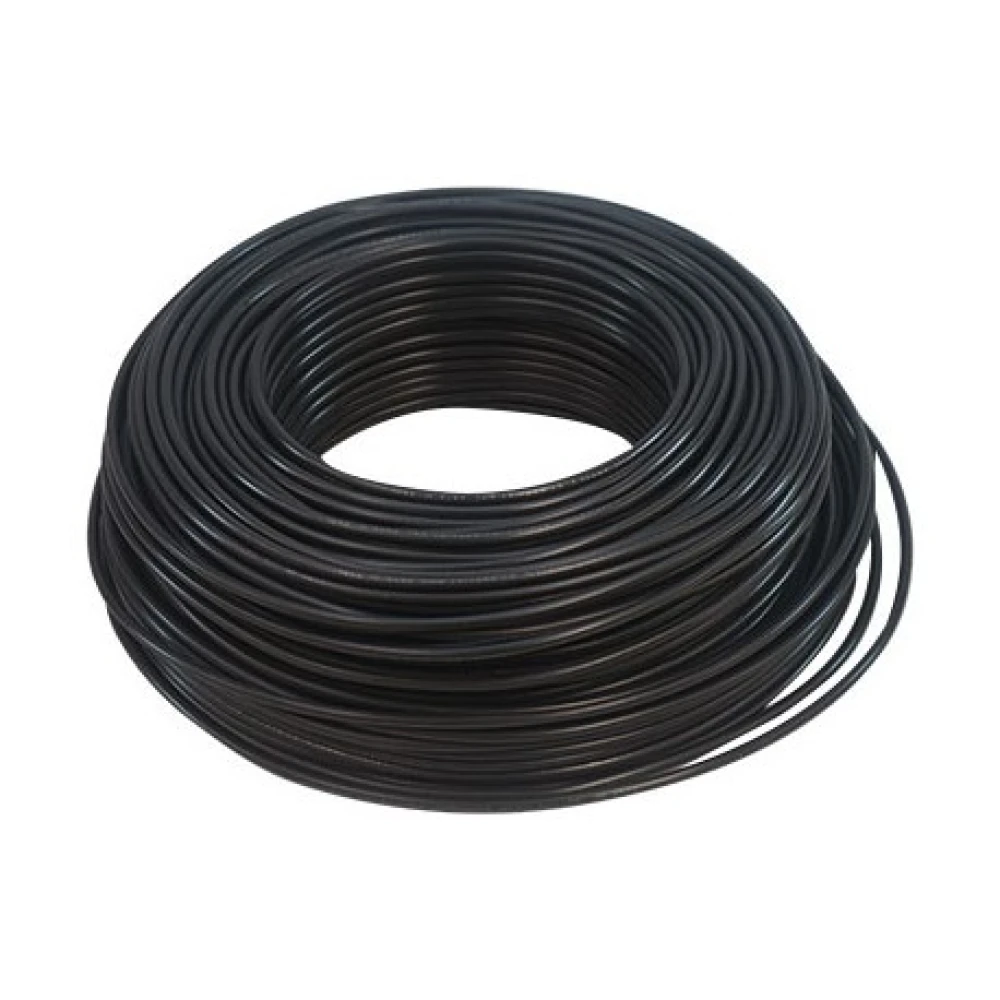
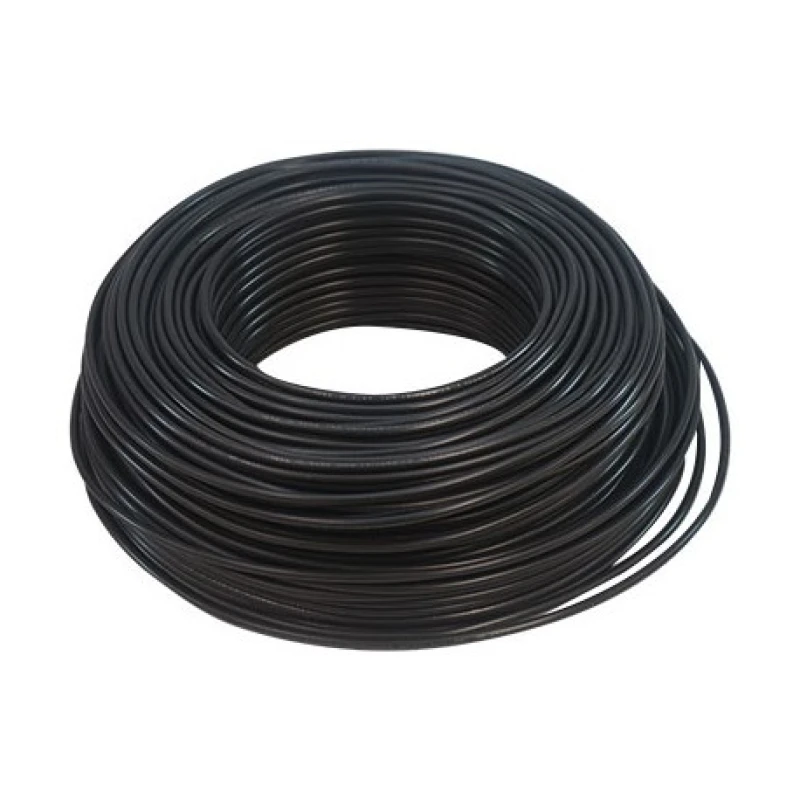
Flexibles Silikonkabel 16AWG schwarz, bis 200º und 3kV für den professionellen Einsatz
Marke: satkit
1,07€
Inkl. MwSt. (Exkl. MwSt.: 0,90€)
Auf Lager - Sofort versandfertig
Standardlieferung
Mi, Apr 22 - Fr, Apr 24
Expresslieferung
Mo, Apr 20 - Di, Apr 21
30 Tage Rückgaberecht
Kostenlose Rücksendung innerhalb von 30 Tagen
Sichere Transaktion






Share:
Kostenlose Lieferung
Bei Bestellungen ab 300€
Einfache Rücksendung
30 Tage Rückgaberecht
Sichere Zahlung
100% sicherer Checkout
Qualitätsgarantie
Nur Originalprodukte
Das flexible Silikonkabel 16AWG schwarz ist ein Kabel für elektronische Anwendungen, die eine hohe thermische und elektrische Belastbarkeit erfordern. Dank der Silikonisolierung hält dieses Kabel Temperaturen von bis zu 200ºC und Spannungen von bis zu 3kV stand und eignet sich damit ideal für anspruchsvolle Umgebungen und professionelle Arbeiten.
Dieses Kabel eignet sich besonders für die Herstellung von Prüfleitungen, Multimeterleitungen und anderen elektronischen Mess- und Diagnosegeräten. Seine Flexibilität erleichtert die Handhabung und Installation in engen Bereichen oder in Geräten, die häufig bewegt werden müssen.
Hauptmerkmale:
- Querschnitt: 16AWG (ca. 1.31 mm²)
- Farbe: Schwarz
- Isoliermaterial: Flexibles Silikon
- Temperaturbeständigkeit: Bis 200ºC
- Maximale Spannung: Bis 3kV
- Anwendungen: Prüfleitungen, Multimeter, Oszilloskope und andere elektronische Geräte
- Verkauf per Meter: Preisangabe pro Meter
Typische Einsatzbereiche:
Dieses Kabel ist ideal für Techniker und Fachleute, die elektrische Messungen unter hohen Temperaturen oder mit hohen Anforderungen an die elektrische Belastbarkeit durchführen müssen. Es eignet sich auch für die Herstellung kundenspezifischer Kabel für elektronische und automotive Geräte, die eine Silikonisolierung für mehr Haltbarkeit und Sicherheit benötigen.
Kompatibilität:
Kompatibel mit den meisten elektronischen Messgeräten wie digitalen und analogen Multimetern, Oszilloskopen und anderen Diagnosegeräten. Seine Flexibilität und Widerstandsfähigkeit machen es für Anwendungen in Laboren, Reparaturwerkstätten und industriellen Umgebungen geeignet.
Das Kabel wird per Meter verkauft, sodass der Nutzer genau die Menge erwerben kann, die er für sein Projekt oder seine Reparatur benötigt.
- 16AWG-Querschnitt mit flexibler Silikonisolierung
- Temperaturbeständig bis 200ºC
- Hält Spannungen bis 3kV stand
- Schwarze Farbe für einfache Identifikation
- Ideal für Prüfleitungen und Multimeter
- Verkauf per Meter für mehr Flexibilität
Kundenfragen & Antworten
Quins avantatges ofereix el cable flexible de silicona 16AWG davant dels cables de PVC en aplicacions de laboratori?
El recobriment de silicona ofereix més resistència tèrmica (fins a 200°C) i flexibilitat, cosa que redueix la fatiga per doblec en assajos continus. A diferència del PVC, la silicona manté la seva elasticitat sota temperatures extremes i proporciona millor aïllament en entorns d’alta tensió. El principal inconvenient és un cost més alt respecte als cables de PVC estàndard.
Quines són les dimensions i el pes per metre del cable, i què inclou exactament el contingut en comprar-lo?
El cable de 16AWG té un diàmetre aproximat de 4,0 mm (incloent-hi el recobriment) i un pes d’uns 38 g per metre. El preu publicat és per cada metre lineal de cable, sense connectors ni altres accessoris inclosos.
Quines precaucions s’han de tenir en compte durant el pelat i la instal·lació del cable per evitar danyar la coberta de silicona?
Es recomana utilitzar eines de pelat ajustables per no tallar ni esquinçar la coberta de silicona, ja que el material és més tou que el PVC i es pot danyar fàcilment. Un tall superficial i controlat evita pèrdues en la resistència dielèctrica. Evitar l’ús de fulles convencionals millora la durabilitat de l’aïllament.
Quines normes de seguretat o certificacions compleix aquest cable i es pot fer servir en sistemes subjectes a normatives internacionals?
La informació proporcionada no especifica certificacions concretes com UL, CE o RoHS. Per a ús en instal·lacions subjectes a regulacions explícites, convé verificar la necessitat de certificats específics abans de seleccionar-lo. Pot ser adequat per a tasques de prototipatge, laboratori o proves, no necessàriament per a instal·lacions regulades.
What are the benefits of using a 16AWG flexible silicone cable compared with PVC cables in laboratory applications?
The silicone coating offers greater thermal resistance (up to 200°C) and flexibility, reducing bending fatigue in continuous testing. Unlike PVC, silicone retains its elasticity under extreme temperatures and provides better insulation in high-voltage environments. The main drawback is the higher cost compared with standard PVC cables.
What are the dimensions and weight per metre of the cable, and what exactly is included when buying it?
The 16AWG cable has an approximate diameter of 4.0 mm (including the coating) and weighs around 38 g per metre. The listed price is for each linear metre of cable, with no connectors or other accessories included.
What precautions should be taken when stripping and installing the cable to avoid damaging the silicone jacket?
It is recommended to use adjustable stripping tools so as not to cut or tear the silicone jacket, as the material is softer than PVC and can be damaged easily. A shallow, controlled cut helps prevent loss of dielectric strength. Avoiding conventional blades improves insulation durability.
What safety standards or certifications does this cable comply with, and can it be used in systems subject to international regulations?
The information provided does not specify any particular certifications such as UL, CE or RoHS. For use in installations subject to explicit regulations, it is advisable to verify the need for specific certificates before selecting it. It may be suitable for prototyping, laboratory work or testing, but not necessarily for regulated installations.
What are the benefits of using a 16AWG flexible silicone cable compared with PVC cables in laboratory applications?
The silicone coating offers greater thermal resistance (up to 200°C) and flexibility, reducing bend fatigue in continuous testing. Unlike PVC, silicone retains its elasticity under extreme temperatures and provides better insulation in high-voltage environments. The main trade-off is a higher cost than standard PVC cables.
What are the dimensions and weight per metre of the cable, and what exactly is included when buying it?
The 16AWG cable has an approximate diameter of 4.0 mm (including the outer jacket) and weighs around 38 g per metre. The listed price is for each linear metre of cable, with no connectors or other accessories included.
Kundenbewertung schreiben
Kunden, die diesen Artikel gekauft haben, kauften auch

 Flexibles Silikonkabel 16AWG schwarz, bis 200º und 3kV für den professionellen Einsatz
1,07€