



1,19€
Auf Lager


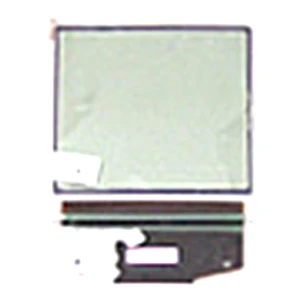
LCD-Reparatur- und Klebeform Samsung HTC One S
Marke: Mlink
1,19€
Inkl. MwSt. (Exkl. MwSt.: 1,00€)
Begrenzter Vorrat
Standardlieferung
Mi, Apr 22 - Fr, Apr 24
Expresslieferung
Mo, Apr 20 - Di, Apr 21
30 Tage Rückgaberecht
Kostenlose Rücksendung innerhalb von 30 Tagen
Sichere Transaktion






Share:
Kostenlose Lieferung
Bei Bestellungen ab 300€
Einfache Rücksendung
30 Tage Rückgaberecht
Sichere Zahlung
100% sicherer Checkout
Qualitätsgarantie
Nur Originalprodukte
Die LCD-Reparatur- und Klebeform Samsung HTC One S ist ein spezialisiertes Werkzeug, das die korrekte Positionierung und Verklebung des Glases auf LCD-Displays der Geräte Samsung HTC One S erleichtert. Hergestellt von der Marke Mlink, ist diese Form unverzichtbar für Techniker und Profis, die bei der Displayreparatur Wert auf Präzision und Qualität legen.
Hauptmerkmale:
- Speziell für Samsung HTC One S Displays entwickelt und sorgt für eine perfekte Passform.
- Ermöglicht das Verkleben mit LOCA glue (Liquid Optical Clear Adhesive) und sorgt für eine optimale, blasenfreie Haftung.
- Erleichtert die exakte Ausrichtung des Glases auf dem LCD-Display und hilft, Schäden und typische Fehler bei der Reparatur zu vermeiden.
- Robustes und langlebiges Material für mehrfachen Gebrauch.
Spezifikationen und Kompatibilität:
- Ausschließlich kompatibel mit Samsung HTC One S LCD-Displays.
- Ideal für den professionellen Einsatz in Handy-Reparaturwerkstätten und technischen Servicezentren.
Typische Anwendungen:
- Reparatur beschädigter LCD-Displays oder gebrochener Gläser beim Samsung HTC One S.
- Verklebung mit LOCA glue für Transparenz und volle Touch-Funktion des Displays.
- Wartung und Instandsetzung von Displays zur Verlängerung der Lebensdauer des Geräts.
Kompatibilität und passendes Zubehör:
- Kompatibel mit Reparaturzubehör für Samsung und HTC One S.
- Die Verwendung zusammen mit LCD-Reparatursets und Reinigungswerkzeugen wird empfohlen, um beste Ergebnisse zu erzielen.
Diese Form ist eine effektive Lösung für Techniker, die die Qualität und Effizienz bei der Reparatur von Samsung HTC One S LCD-Displays verbessern möchten und ein professionelles, langlebiges Ergebnis sicherstellen wollen.
- Spezielle Form für Samsung HTC One S Displays
- Präzises Verkleben mit LOCA glue
- Sorgt für exakte Ausrichtung des LCD-Glases
- Robustes Material für mehrfachen Gebrauch
- Ideal für professionelle Reparaturen und Wartung
Kundenfragen & Antworten
Quins són els materials de fabricació i quines són les dimensions del motlle?
El motlle sol estar fabricat en aliatge d’alumini mecanitzat per oferir estabilitat i precisió durant l’enganxat del LCD. Les dimensions aproximades són 140 mm × 75 mm × 8 mm, amb una tolerància de ±0,2 mm a l’àrea d’inserció. Aquest material resisteix bé el contacte amb adhesius líquids i proporciona una llarga vida útil amb ús moderat.
Requereix eines addicionals o algun tipus de preparació especial abans d’utilitzar el motlle?
Sí, per a un ús adequat del motlle es recomana disposar d’adhesiu LOCA UV, làmpada UV per al curat i eines de precisió com espàtules antiestàtiques. El procés requereix netejar l’àrea del LCD i el motlle abans de cada ús per evitar residus que puguin afectar l’enganxat.
Quina resistència té el motlle davant de productes químics i canvis de temperatura durant el procés de reparació?
El motlle d’alumini és resistent a la majoria dels dissolvents de neteja utilitzats en reparació de pantalles i suporta temperatures de fins a 100°C sense deformació apreciable. Tanmateix, l’exposició prolongada a àcids forts pot afectar-ne l’acabat superficial. Es recomana evitar cops directes que puguin desalinear-ne l’estructura mecanitzada.
Quina és la principal diferència entre aquest tipus de motlle i els mètodes manuals d’alineació del LCD?
L’ús del motlle proporciona una alineació precisa, reduint el marge d’error humà respecte a la posició del vidre i minimitzant les bombolles o el desplaçament de l’adhesiu. A diferència dels mètodes manuals, assegura repetibilitat i escurça els temps de treball, especialment en reparacions múltiples; tanmateix, limita l’ús a models estrictament compatibles per les seves dimensions fixes.
What are the manufacturing materials and what are the dimensions of the mould?
The mould is usually made from machined aluminium alloy to provide stability and precision during LCD bonding. Approximate dimensions are 140 mm × 75 mm × 8 mm, with a tolerance of ±0.2 mm in the insertion area. This material withstands contact with liquid adhesives well and provides a long service life under moderate use.
Does it require any additional tools or special preparation before using the mould?
Yes, for proper use of the mould it is recommended to have LOCA UV adhesive, a UV curing lamp and precision tools such as anti-static spatulas. The process requires cleaning the LCD area and the mould before each use to avoid residue that could affect bonding.
How resistant is the mould to chemicals and temperature changes during the repair process?
The aluminium mould is resistant to most cleaning solvents used in screen repair and withstands temperatures up to 100°C without noticeable deformation. However, prolonged exposure to strong acids may affect its surface finish. It is recommended to avoid direct impacts that could misalign its machined structure.
What is the main difference between this type of mould and manual LCD alignment methods?
Using the mould provides precise alignment, reducing human error in crystal positioning and minimising bubbles or displaced adhesive. Unlike manual methods, it ensures repeatability and shortens working time, especially in multiple repairs; however, it limits use to strictly compatible models due to its fixed dimensions.
What are the manufacturing materials and what are the dimensions of the mould?
The mould is usually made from machined aluminium alloy to provide stability and precision during LCD bonding. Approximate dimensions are 140 mm × 75 mm × 8 mm, with a tolerance of ±0.2 mm in the insertion area. This material withstands contact with liquid adhesives well and provides a long service life under moderate use.
Does it require any additional tools or special preparation before using the mould?
Yes, for proper use of the mould it is recommended to have LOCA UV adhesive, a UV curing lamp, and precision tools such as anti-static spatulas. The process requires cleaning the LCD area and the mould before each use to avoid residue that could affect bonding.
Kundenbewertung schreiben
Kunden, die diesen Artikel gekauft haben, kauften auch


Ihre zuletzt angesehenen Artikel



BDM-LED-Rahmen für FGTECH BDM100 KESS KTAG - Set mit Raster und 4 Sonden
40,46€
Nur noch 5 auf Lager

Vgate vLinker BM+ OBD2 Bluetooth-Scanner für BMW und MINI mit iOS und Android
46,41€
Nicht auf Lager
LCD-Reparatur- und Klebeform Samsung HTC One S
1,19€