

Lötzinn 0,5 mm 400 g für Elektroniklöten Alpha
Marke: Alpha
Inkl. MwSt. (Exkl. MwSt.: 12,01€)






Die Lötzinn 0,5 mm 400 g der Marke Alpha ist ein Produkt, das speziell für feine Elektroniklötarbeiten entwickelt wurde. Ihre Zusammensetzung aus 63% Zinn und 37% Blei (63 Sn/37 Pb) sorgt für eine hervorragende Fließfähigkeit und Haftung und macht sie ideal für Reparaturen und elektronische Montagen.
Dieses Lötzinn für Elektronik hat einen Durchmesser von 0,5 mm und eignet sich ideal für präzise Lötarbeiten an kleinen und empfindlichen elektronischen Bauteilen. Außerdem bietet das Gewicht von 400 Gramm eine ausreichende Menge für mehrere Anwendungen, ohne die Qualität der Arbeit zu beeinträchtigen.
Das in der Spule enthaltene Flux beträgt 1,2%, was die Reinigung erleichtert und die Qualität der Lötverbindung verbessert, indem Oxidation während des Prozesses vermieden wird. Diese Eigenschaft ist entscheidend für dauerhafte und zuverlässige Verbindungen in elektronischen Schaltungen.
Hauptmerkmale
- Zusammensetzung: 63% Zinn und 37% Blei (63 Sn/37 Pb)
- Durchmesser: 0,5 mm für feines Löten
- Gewicht: 400 Gramm
- Flux: 1,2% für bessere Haftung und Reinigung
- Marke: Alpha, bekannt für Werkzeuge und Lötzubehör
Empfohlene Anwendungen
- Löten von elektronischen Bauteilen auf Leiterplatten (PCB)
- Elektronikreparaturen, die Präzision und Qualität erfordern
- DIY- und professionelle Elektronikprojekte
Kompatibilität
Kompatibel mit herkömmlichen Lötstationen und Werkzeugen für feines Löten. Geeignet für Elektroniklötungen, die eine traditionelle Zinn-Blei-Mischung für optimale Leistung erfordern.
Hinweis zur Verfügbarkeit
Derzeit ist dieses Produkt nicht auf Lager. Wir empfehlen, in unserem Katalog nach anderen Lötzinn-Optionen zu suchen, damit Ihre Projekte nicht unterbrochen werden.
- 63% Zinn und 37% Blei für hochwertige Lötverbindungen
- Feiner Durchmesser von 0,5 mm ideal für präzise Elektronikarbeiten
- 400 Gramm Inhalt für mehrere Anwendungen
- 1,2% Flux erleichtert das Löten und verhindert Oxidation
- Marke Alpha, Qualitätsgarantie bei Lötzubehör
Kundenfragen & Antworten
Quin és l’avantatge d’utilitzar un aliatge 63Sn/37Pb amb 1,2% de flux en electrònica davant d’altres composicions?
L’aliatge 63% estany i 37% plom és eutèctic, es fon a 183 °C i solidifica sense rang pastós, cosa que redueix riscos de juntes fredes en electrònica. L’1,2% de flux facilita l’eliminació d’òxids i millora l’adherència. Davant d’altres composicions, aquesta opció permet soldadures més ràpides i netes, però no és compatible amb la normativa RoHS.
Quin és el rendiment típic en metres de fil per bobina i en quin tipus de soldadors es recomana utilitzar-lo?
Una bobina de 400 g, amb diàmetre de 0,5 mm, conté aproximadament 216 metres de fil. És compatible amb la majoria de soldadors elèctrics estàndard tipus llapis o estació, amb potències de 15 a 60 W i puntes fines. Per sota de 15 W pot ser insuficient per fondre l’aliatge eficientment.
Com es compara aquesta bobina davant d’opcions sense plom en termes de facilitat d’ús i durabilitat de la soldadura?
Les soldadures amb 63Sn/37Pb solen ser més fàcils d’aplicar i flueixen millor que les sense plom (com les SnAgCu), permetent acabats brillants i menor fragilitat a llarg termini. Tanmateix, el plom és tòxic i està restringit en moltes regulacions; en contextos on RoHS és exigida, l’opció sense plom és obligatòria, encara que requereixi més temperatura i destresa.
What is the advantage of using a 63Sn/37Pb alloy with 1.2% flux in electronics compared with other compositions?
The 63% tin and 37% lead alloy is eutectic, melting at 183°C and solidifying without a plastic range, which reduces the risk of cold joints in electronics. The 1.2% flux helps remove oxides, improving wetting. Compared with other compositions, this option allows faster, cleaner soldering, but it is not RoHS compliant.
What is the typical wire length per spool, and what type of soldering irons is it recommended for?
A 400 g spool with a 0.5 mm diameter contains approximately 216 metres of wire. It is compatible with most standard electric pencil soldering irons or stations, with power ratings from 15 to 60 W and fine tips. Below 15 W may be insufficient to melt the alloy efficiently.
How does this spool compare with lead-free options in terms of ease of use and solder joint durability?
Solder joints made with 63Sn/37Pb are generally easier to apply and flow better than lead-free ones (such as SnAgCu), producing shiny finishes and less long-term brittleness. However, lead is toxic and restricted under many regulations; where RoHS compliance is required, the lead-free option is mandatory, although it demands higher temperatures and more skill.
What is the advantage of using a 63Sn/37Pb alloy with 1.2% flux in electronics compared with other compositions?
The 63% tin and 37% lead alloy is eutectic, melting at 183°C and solidifying without a pasty range, which reduces the risk of cold joints in electronics. The 1.2% flux helps remove oxides, improving wetting. Compared with other compositions, this option allows faster and cleaner soldering, but it is not compatible with RoHS regulations.
What is the typical wire length per spool, and what type of soldering irons is it recommended for?
A 400 g spool with a 0.5 mm diameter contains approximately 216 metres of wire. It is compatible with most standard pencil-type electric soldering irons or stations, with power ratings from 15 to 60 W and fine tips. Below 15 W may be insufficient to melt the alloy efficiently.
How does this spool compare with lead-free options in terms of ease of use and solder durability?
Soldering with 63Sn/37Pb is generally easier to apply and flows better than lead-free solder (such as SnAgCu), producing shiny finishes and less long-term brittleness. However, lead is toxic and restricted by many regulations; where RoHS compliance is required, lead-free solder is mandatory, although it needs a higher temperature and more skill.
Vilken är fördelen med att använda en 63Sn/37Pb-legering med 1,2% flux inom elektronik jämfört med andra sammansättningar?
Legeringen med 63% tenn och 37% bly är eutektisk och smälter vid 183°C, vilket gör att den stelnar utan pastigt intervall och minskar risken för kalla lödningar inom elektronik. 1,2% flux underlättar borttagning av oxider och förbättrar vidhäftningen. Jämfört med andra sammansättningar ger detta snabbare och renare lödningar, men den är inte kompatibel med RoHS-reglering.
Kundenbewertung schreiben
Kunden, die diesen Artikel gekauft haben, kauften auch

Ihre zuletzt angesehenen Artikel
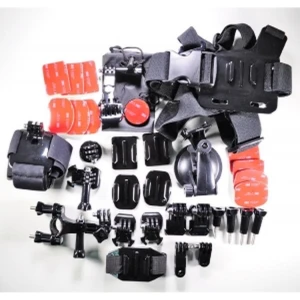
GoPro Hero Zubehör-Set 33-teilig für HERO3+, HERO3, HERO2, HERO4 und SJ4000