


19,04€
Auf Lager


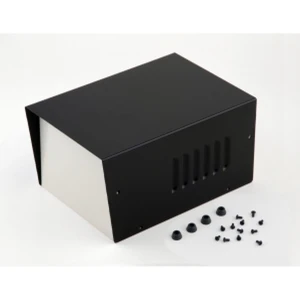
Metallgehäuse für Projekte 210x155x80mm mit Lüftungsschlitzen
Marke: satkit
19,04€
Inkl. MwSt. (Exkl. MwSt.: 16,00€)
Nur noch 2 auf Lager - jetzt bald bestellen!
Standardlieferung
Mi, Apr 22 - Fr, Apr 24
Expresslieferung
Mo, Apr 20 - Di, Apr 21
30 Tage Rückgaberecht
Kostenlose Rücksendung innerhalb von 30 Tagen
Sichere Transaktion






Share:
Kostenlose Lieferung
Bei Bestellungen ab 300€
Einfache Rücksendung
30 Tage Rückgaberecht
Sichere Zahlung
100% sicherer Checkout
Qualitätsgarantie
Nur Originalprodukte
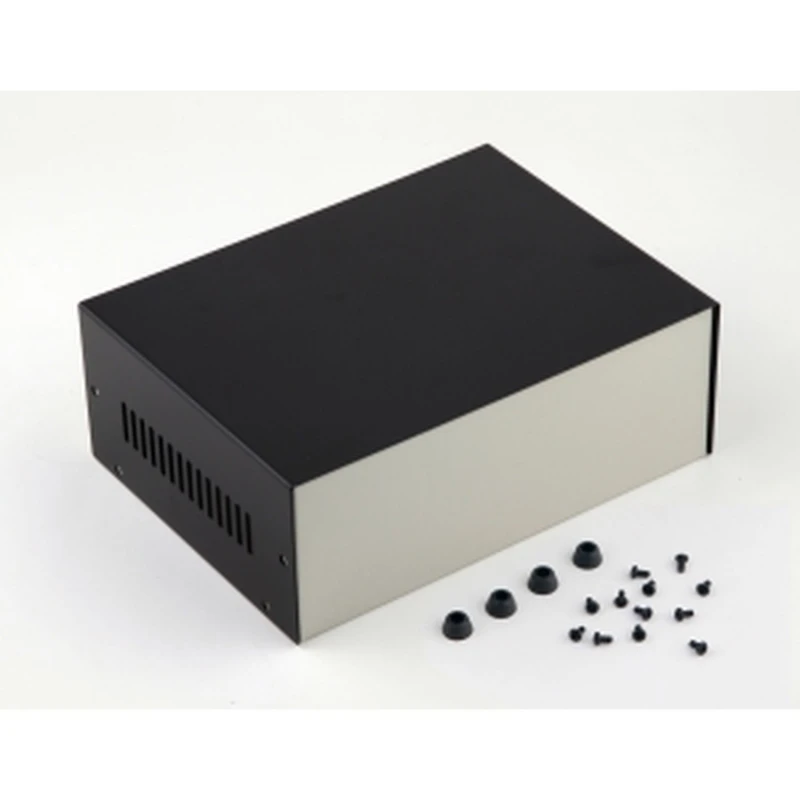
Das Metallgehäuse für Projekte 210x155x80mm ist eine robuste und praktische Lösung für die Montage und den Schutz elektronischer Geräte und verschiedener Projekte. Aus widerstandsfähigem Metall gefertigt, bietet dieses Gehäuse ausreichend Platz für empfindliche elektronische Komponenten, elektrische Netzteile und andere Geräte, die physischen Schutz und eine geeignete Belüftung benötigen.
- Außenmaße (Länge x Breite x Höhe): 210x155x80 mm, und bietet damit ausreichend Volumen für die meisten Elektronikprojekte.
- Material: Widerstandsfähiges Metall, das Langlebigkeit und Schutz vor Stößen gewährleistet.
- Belüftung: Seitliche Lüftungsschlitze, die die Luftzirkulation erleichtern und eine Überhitzung der internen Komponenten verhindern.
- Im Lieferumfang enthalten: Schrauben für einen sicheren Verschluss und Gummifüße, die für Stabilität sorgen und ein Verrutschen verhindern.
Dieses Metallgehäuse ist perfekt für Elektronikprojekte, die einen sicheren und belüfteten Schutz benötigen. Sein Design ermöglicht eine einfache und sichere Montage, ideal für Hobbyanwender und Profis der Elektronik, die ein zuverlässiges Gehäuse für ihre Geräte suchen.
Typische Anwendungen:
- Elektronikprojekte für den Heimgebrauch oder den professionellen Einsatz.
- Schutz von elektrischen Netzteilen.
- Aufbauten, die Belüftung benötigen, um Wärmestau zu vermeiden.
- Ordnung und sichere Aufbewahrung elektronischer Komponenten.
Kompatibilität: Geeignet für elektronische Komponenten und Geräte, die in die Abmessungen passen und von einem belüfteten Metallgehäuse für Schutz und optimale Funktion profitieren.
Zusammenfassend ist dieses Metallgehäuse für Projekte eine zuverlässige und kostengünstige Option für alle, die ein widerstandsfähiges, belüftetes und leicht zu montierendes Gehäuse für ihre Elektronikprojekte benötigen.
- Außenmaße: 210x155x80mm
- Robuste Metallkonstruktion für maximalen Schutz
- Seitliche Lüftungsschlitze gegen Überhitzung
- Inklusive Schrauben für sicheren Verschluss
- Gummifüße für Stabilität und Rutschfestigkeit
Kundenfragen & Antworten
Quins són els beneficis d’utilitzar una caixa metàl·lica per a projectes electrònics en comparació amb una caixa de plàstic?
La caixa metàl·lica proporciona millor apantallament electromagnètic (EMI), més robustesa mecànica i millor dissipació tèrmica que una caixa de plàstic. És més adequada per protegir circuits sensibles o fonts d’energia elèctrica en entorns amb soroll elèctric o vibracions. Tanmateix, és més pesada i pot requerir presa de terra per a una seguretat màxima.
Quin tipus de metall i gruix té la caixa, i quin és el seu pes aproximat?
La majoria de les caixes metàl·liques per a projectes utilitzen xapa d’acer pintat o alumini, habitualment amb gruixos entre 1 i 1,5 mm per a aquesta dimensió. El pes estimat per a una caixa de 210x155x80 mm sol estar entre 0,8 i 1,1 kg, depenent del material exacte. Es recomana consultar la fitxa tècnica del fabricant per obtenir dades precises.
Es pot perforar fàcilment aquesta caixa per instal·lar connectors, interruptors o ventiladors addicionals?
Sí, la caixa està dissenyada per modificar-se segons les necessitats de l’usuari. Es pot perforar amb eines estàndard per instal·lar connectors, interruptors o ventiladors. Es recomana fer servir broques i serres adequades per a metall, i desbarbar bé els talls per evitar ferides o curtcircuits.
Quin nivell de protecció contra pols, aigua o impactes té la caixa metàl·lica?
Aquesta caixa no està certificada amb un grau de protecció IP o IK específic; el seu disseny amb ranures de ventilació laterals prioritza la ventilació sobre l’estanquitat. És adequada per a ús en interiors, en ambients secs i sense exposició directa a líquids o pols intensa.
Inclou algun tipus de protecció contra descàrregues elèctriques i compleix alguna normativa de seguretat?
La caixa metàl·lica per si sola no incorpora protecció contra descàrregues elèctriques; és responsabilitat de l’usuari connectar el xassís a terra si hi ha components amb tensió a l’interior. No declara compliment de normes específiques (com CE o UL), de manera que per a aplicacions certificades s’ha de verificar amb proveïdors autoritzats.
What are the benefits of using a metal enclosure for electronic projects compared with a plastic case?
The metal enclosure provides better electromagnetic interference (EMI) shielding, greater mechanical strength and better thermal dissipation than a plastic case. It is more suitable for protecting sensitive circuits or power supplies in environments with electrical noise or vibration. However, it is heavier and may require earthing for maximum safety.
What type of metal and thickness does the enclosure have, and what is its approximate weight?
Most metal project enclosures use painted steel sheet or aluminium, usually with thicknesses between 1 and 1.5 mm for that size. The estimated weight for a 210x155x80 mm enclosure is usually between 0.8 and 1.1 kg, depending on the exact material. It is recommended to check the manufacturer's technical data sheet for precise details.
Can this enclosure be easily drilled to install connectors, switches or additional fans?
Yes, the enclosure is designed to be modified according to the user's needs. It can be drilled with standard tools to install connectors, switches or fans. It is recommended to use suitable drill bits and saws for metal, and to deburr the cuts properly to avoid injury or short circuits.
What level of protection against dust, water or impacts does the metal enclosure have?
This enclosure is not certified with a specific IP or IK rating; its side ventilation slots prioritise airflow over sealing. It is suitable for indoor use, in dry environments and without direct exposure to liquids or heavy dust.
Does it include any protection against electric shock and does it comply with any safety standard?
The metal enclosure itself does not include protection against electric shock; it is the user's responsibility to connect the chassis to earth if there are live components inside. It does not declare compliance with specific standards (such as CE or UL), so for certified applications you should check with authorised suppliers.
Kundenbewertung schreiben
Kunden, die diesen Artikel gekauft haben, kauften auch

Ihre zuletzt angesehenen Artikel
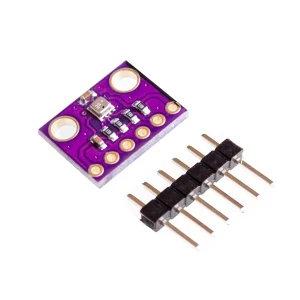

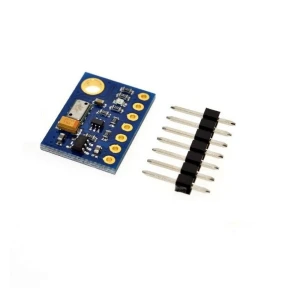
GY-63 MS5611-01BA03 Luftdrucksensor – hochauflösendes Barometer für Arduino und Raspberry
7,74€
Nur noch 7 auf Lager
Metallgehäuse für Projekte 210x155x80mm mit Lüftungsschlitzen
19,04€