



4,76€
Auf Lager
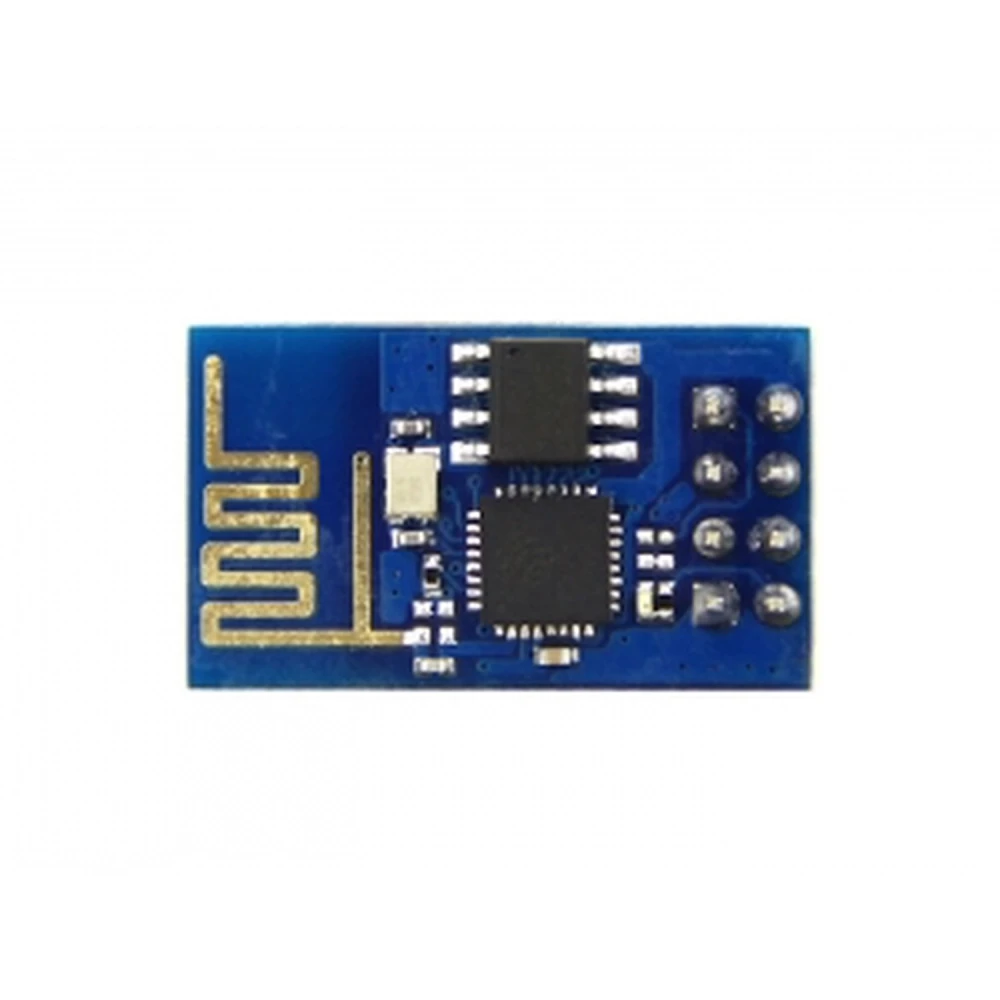
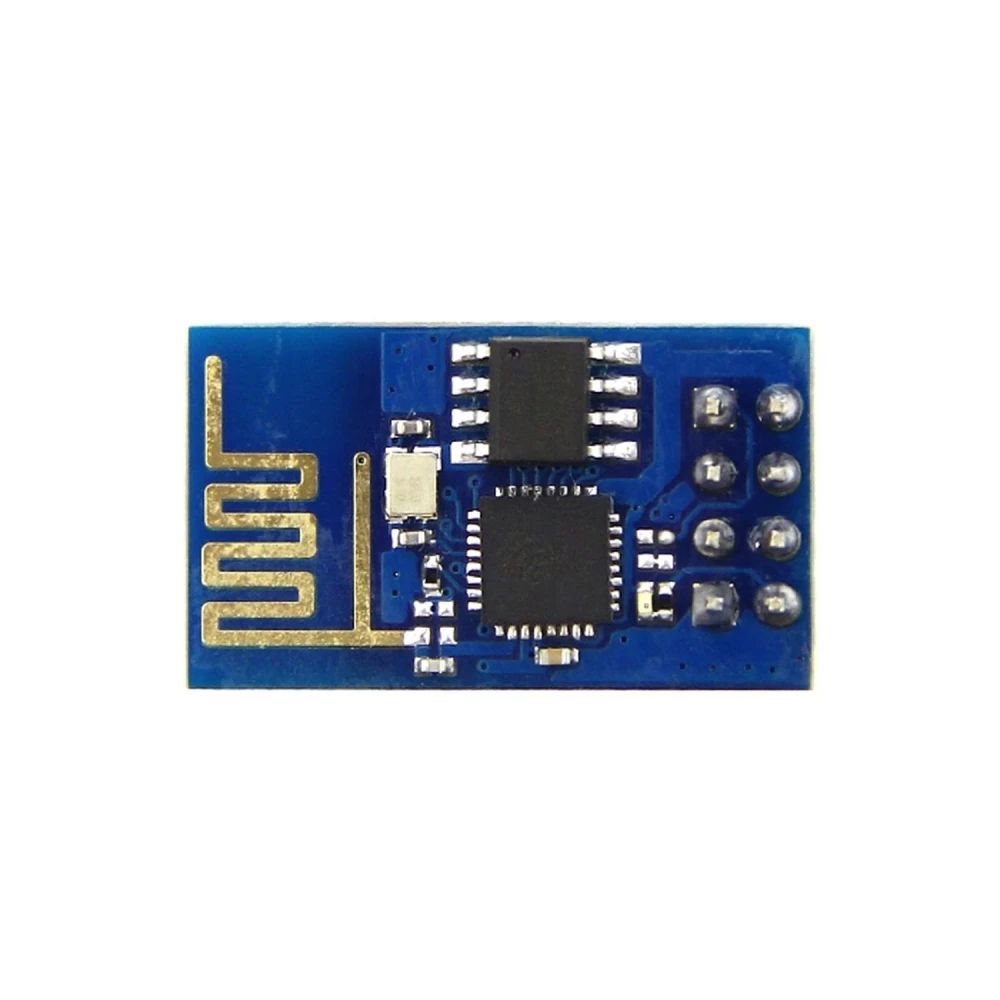
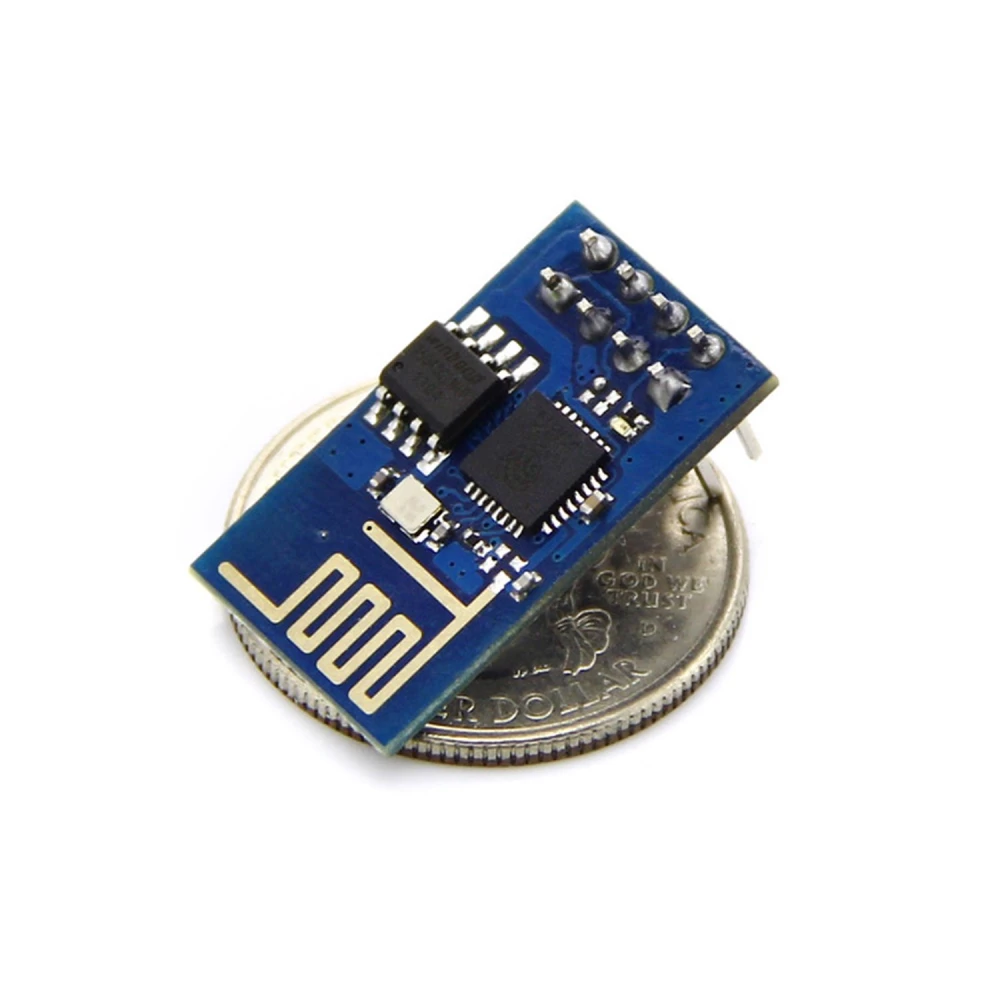
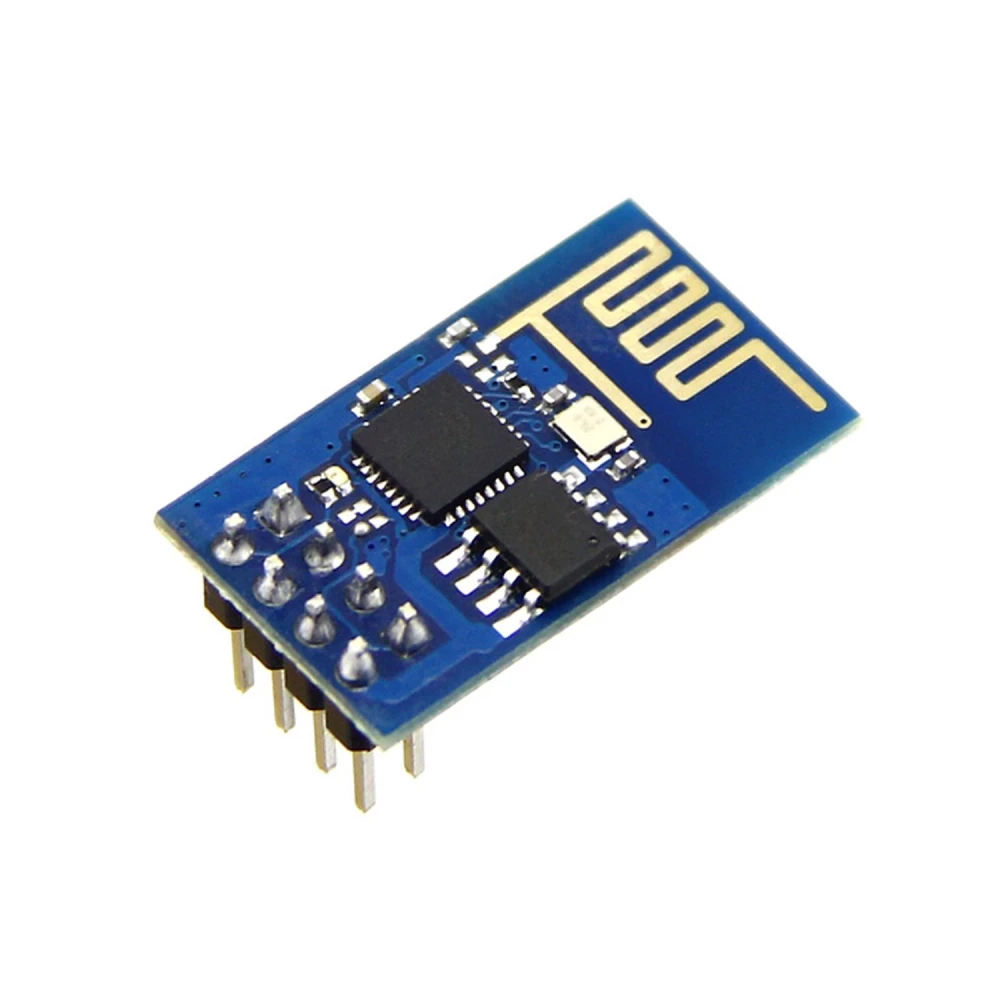
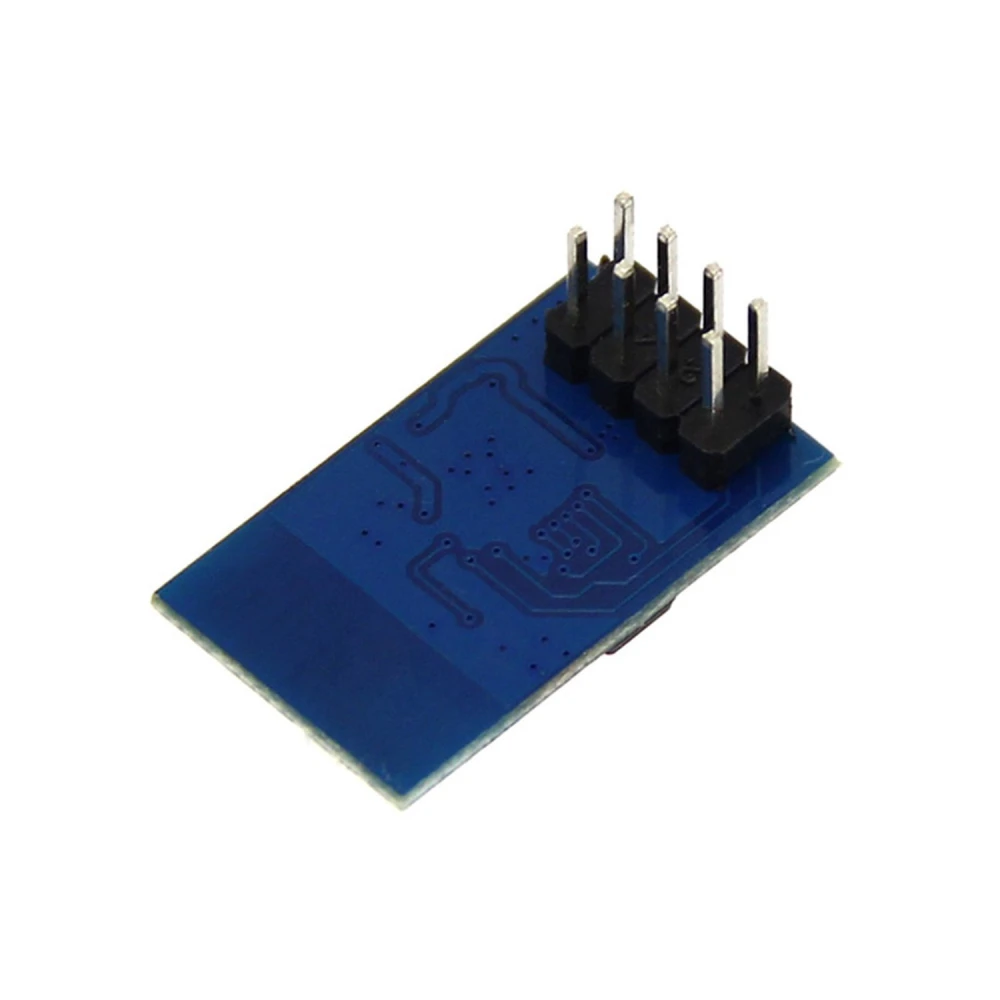
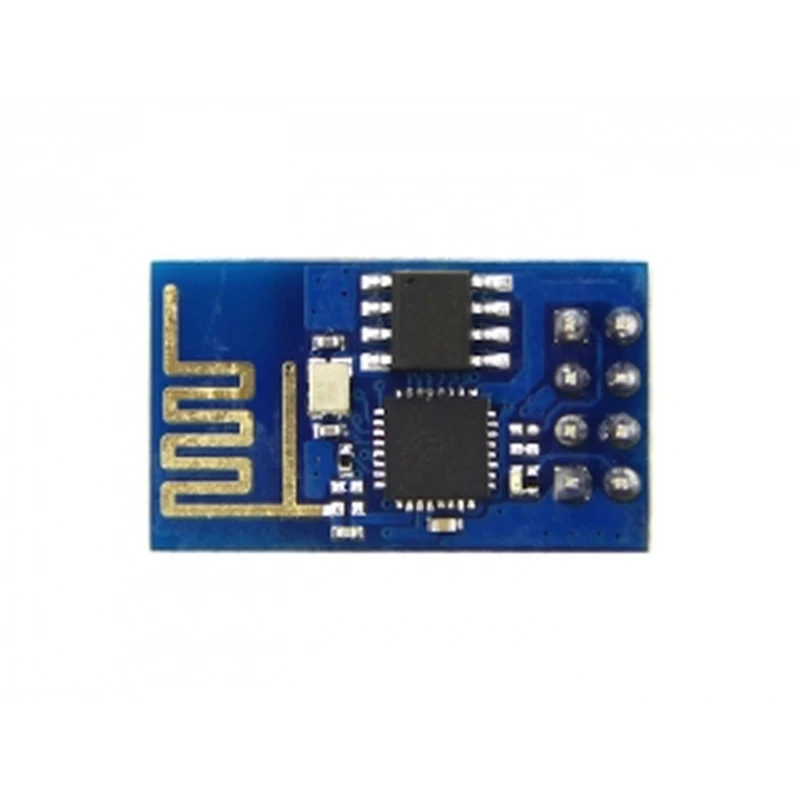
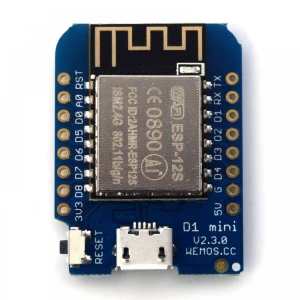
ESP8266 WLAN-Modul kompatibel mit Arduino für Funkprojekte
Marke: satkit
4,76€
Inkl. MwSt. (Exkl. MwSt.: 4,00€)
Begrenzter Vorrat
Standardlieferung
Mi, Apr 22 - Fr, Apr 24
Expresslieferung
Mo, Apr 20 - Di, Apr 21
30 Tage Rückgaberecht
Kostenlose Rücksendung innerhalb von 30 Tagen
Sichere Transaktion






Share:
Kostenlose Lieferung
Bei Bestellungen ab 300€
Einfache Rücksendung
30 Tage Rückgaberecht
Sichere Zahlung
100% sicherer Checkout
Qualitätsgarantie
Nur Originalprodukte
Das ESP8266 WLAN-Modul kompatibel mit Arduino ist eine ideale Lösung, um Geräte und elektronische Projekte mit drahtlosen Netzwerken zu verbinden und so die Kommunikation sowie die Fernsteuerung über WiFi zu erleichtern. Dieses Modul wird dank seiner Kompatibilität mit Arduino und seiner einfachen Integration häufig in Smart-Home-Projekten, Fernsensoren, Automatisierung und Robotik eingesetzt.
Mit diesem Modul können Sie Ihr Arduino mit dem Internet oder einem lokalen WiFi-Netzwerk verbinden, um Daten zu senden und zu empfangen, Geräte zu steuern oder Sensoren von überall mit Netzwerkzugang zu überwachen. Dadurch eröffnen sich vielfältige Möglichkeiten für IoT-Projekte (Internet der Dinge) und intelligente Systeme.
Hauptmerkmale
- Kompatibilität mit Arduino für eine einfache Integration in Projekte.
- WiFi-Konnektivität für stabile und schnelle drahtlose Kommunikation.
- Ideal für Smart-Home-Projekte, Fernsensoren und die Steuerung von Geräten.
- Ermöglicht die drahtlose Kommunikation zwischen Geräten über Distanz.
- Kompaktes Design, das die Montage in verschiedenen Konfigurationen erleichtert.
Technische Daten
- Stromversorgung: Kompatibel mit den Standardspannungen von Arduino (3.3V).
- Kommunikation: Serielle Schnittstelle für die Verbindung mit Mikrocontrollern.
- WiFi-Frequenz: 2.4 GHz-Band für drahtlose Verbindung.
- Kompakte Abmessungen für eine einfache Integration in Projekte.
Typische Anwendungen
- Implementierung von Fernsensoren für Temperatur, Druck und Alarme.
- Steuerung und Überwachung von Robotern und autonomen Fahrzeugen.
- Automatisierung und Fernsteuerung von Gebäuden und Maschinen.
- IoT-Projekte, die eine stabile und effiziente drahtlose Kommunikation erfordern.
Kompatibilität
Dieses Modul ist für die Kompatibilität mit Arduino-Platinen ausgelegt und erleichtert so die Programmierung und Nutzung in elektronischen Projekten. Es erfordert eine geeignete Stromversorgung und den Anschluss an die serielle Schnittstelle für den ordnungsgemäßen Betrieb.
- Kompatibel mit Arduino für eine einfache Integration
- WiFi-Konnektivität im 2.4 GHz-Band
- Ideal für IoT- und Smart-Home-Projekte
- Ermöglicht stabile drahtlose Kommunikation
- Kompaktes Design und einfach zu installieren
Kundenfragen & Antworten
Quina distància real de transmissió puc esperar fent servir el mòdul WiFi Esp8266 en interiors i exteriors?
L’abast típic de transmissió és de fins a 50 metres en interiors i fins a 200 metres en espais oberts i sense obstacles, segons les especificacions del fabricant. Factors com murs, interferències WiFi i la disposició de l’entorn poden reduir considerablement l’abast efectiu.
Quines són les dimensions i el pes aproximat del mòdul per a la seva integració en projectes compactes?
El mòdul mesura 15 mm x 29 mm i pesa menys de 5 g, cosa que el fa adequat per a integracions en espais reduïts o sistemes encastats.
Quins són els principals problemes de connexió que poden presentar-se i com se solen resoldre?
Els problemes més freqüents són una alimentació inestable, incompatibilitat de nivells de voltatge i cables de connexió defectuosos. Es recomana fer servir una font d’alimentació de baixa ondulació i comprovar la coincidència de nivells lògics entre mòdul i controlador, així com revisar tots els contactes i soldadures.
Quins avantatges tècnics ofereix aquest mòdul davant d’altres alternatives de comunicació sense fil com Bluetooth o mòduls NRF24L01?
L’Esp8266 permet connexió directa a xarxes WiFi, aconseguint taxes de transferència més altes (fins a 2 Mbps) i més abast en comparació amb Bluetooth clàssic i alguns mòduls NRF24L01. Tanmateix, el seu consum energètic és més alt i requereix consideracions addicionals de seguretat en xarxes exposades.
What real transmission distance can I expect using the Esp8266 WiFi module indoors and outdoors?
Typical transmission range is up to 50 metres indoors and up to 200 metres in open, unobstructed spaces, according to the manufacturer's specifications. Factors such as walls, WiFi interference and the layout of the environment can significantly reduce the effective range.
What are the dimensions and approximate weight of the module for integration into compact projects?
The module measures 15 mm x 29 mm and weighs less than 5 g, making it suitable for integration in tight spaces or embedded systems.
What are the main connection issues that may arise and how are they usually resolved?
The most common issues are unstable power supply, incompatible voltage levels and faulty connection cables. It is recommended to use a low-ripple power supply and check that the logic levels match between the module and the controller, as well as inspect all contacts and solder joints.
What technical advantages does this module offer over other wireless communication options such as Bluetooth or NRF24L01 modules?
The Esp8266 allows direct connection to WiFi networks, achieving higher transfer rates (up to 2 Mbps) and greater range compared with classic Bluetooth and some NRF24L01 modules. However, its power consumption is higher and it requires additional security considerations on exposed networks.
What real transmission distance can I expect using the Esp8266 WiFi module indoors and outdoors?
Typical transmission range is up to 50 metres indoors and up to 200 metres in open, unobstructed spaces, according to the manufacturer's specifications. Factors such as walls, WiFi interference and the layout of the environment can significantly reduce the effective range.
What are the dimensions and approximate weight of the module for integration into compact projects?
The module measures 15 mm x 29 mm and weighs less than 5 g, making it suitable for integration into small spaces or embedded systems.
Kundenbewertung schreiben
Kunden, die diesen Artikel gekauft haben, kauften auch
Ihre zuletzt angesehenen Artikel
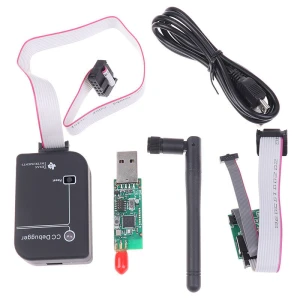
CC Debugger Zigbee Programmierer CC2531 für Simulation und Protokollanalyse
18,45€
Nur noch 5 auf Lager
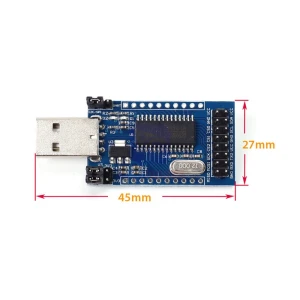 ESP8266 WLAN-Modul kompatibel mit Arduino für Funkprojekte
4,76€