






4,28€
Auf Lager
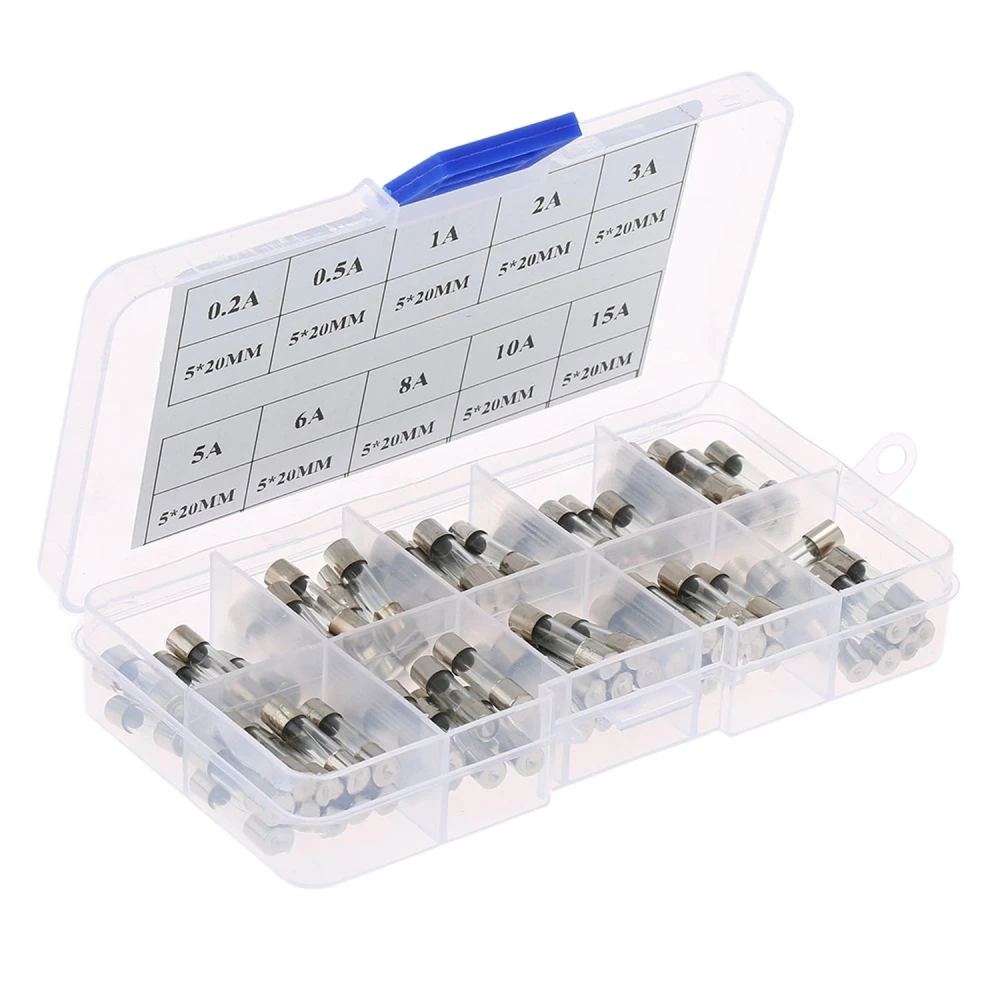

Sicherungsbox 5x20 - 100 Sicherungen in 10 verschiedenen Werten von 0,2A bis 15A
Marke: TSX TOOL
4,28€
Inkl. MwSt. (Exkl. MwSt.: 3,60€)
Auf Lager - Sofort versandfertig
Standardlieferung
Mi, Apr 22 - Fr, Apr 24
Expresslieferung
Mo, Apr 20 - Di, Apr 21
30 Tage Rückgaberecht
Kostenlose Rücksendung innerhalb von 30 Tagen
Sichere Transaktion






Share:
Kostenlose Lieferung
Bei Bestellungen ab 300€
Einfache Rücksendung
30 Tage Rückgaberecht
Sichere Zahlung
100% sicherer Checkout
Qualitätsgarantie
Nur Originalprodukte
Die Sicherungsbox 5x20 von TSX TOOL ist eine komplette Lösung für alle, die eine Auswahl an Sicherungen für Elektronikreparaturen oder Wartungsprojekte benötigen. Dieses Set enthält insgesamt 100 Sicherungen im Standardformat 5x20 mm, verteilt auf 10 verschiedene Stromwerte von 0,2A bis 15A, alle mit einer Nennspannung von 220V.
Hauptmerkmale:
- 100 Sicherungen im Format 5x20 mm.
- 10 verschiedene Stromwerte: 0,2A, 0,5A, 1A, 2A, 3A, 5A, 6A, 8A, 10A und 15A.
- Nennspannung: 220V.
- Für einen sicheren Schutz in elektronischen Schaltungen gefertigt.
- Marke: TSX TOOL, bekannt für Werkzeuge und elektronische Komponenten.
Technische Daten:
- Sicherungsabmessung: 5x20 mm.
- Verfügbare Stromwerte: 0,2A, 0,5A, 1A, 2A, 3A, 5A, 6A, 8A, 10A und 15A.
- Maximale Betriebsspannung: 220V.
Typische Anwendungen:
- Reparatur und Wartung elektronischer Geräte.
- Schutz elektrischer Schaltungen in elektronischen Geräten.
- Ideal für Techniker und Hobbyanwender, die ein komplettes Sortiment an Sicherungen benötigen.
Kompatibilität: Diese 5x20 Sicherungen sind mit den meisten elektronischen Geräten kompatibel, die Sicherungen dieser Größe und Stromstärke benötigen, wie Netzteile, Audiogeräte, kleine Haushaltsgeräte und andere elektronische Geräte.
Dieses Set ist eine wirtschaftliche und praktische Lösung, um die benötigten Sicherungen für jede Reparatur oder jedes Elektronikprojekt immer griffbereit zu haben. Die Auswahl an Werten ermöglicht die passende Sicherung je nach benötigtem Strom und sorgt so für einen optimalen Schutz der Schaltungen.
Außerdem erleichtert das Standardformat 5x20 die Installation in gängigen Sicherungshaltern und macht dieses Set zu einer unverzichtbaren Ressource für Profis und Elektronikbegeisterte.
- 100 Sicherungen im Format 5x20 mm für den Elektronikbereich
- Enthält 10 verschiedene Stromwerte von 0,2A bis 15A
- Nennspannung 220V für sicheren Schutz
- Marke TSX TOOL, bekannt für elektronische Komponenten
- Ideal für Elektronikreparaturen und Wartung
Kundenfragen & Antworten
Quins materials componen els fusibles inclosos al pack i en quins casos és rellevant aquesta dada?
Els fusibles 5x20 normalment utilitzen un tub de vidre i terminals metàl·lics d’aliatge (freqüentment llautó niquelat). Això és rellevant perquè el vidre permet una inspecció visual del filament i l’aliatge garanteix bona conductivitat i resistència a la corrosió. Són aptes per a aplicacions generals, però no es recomanen on es requereixi alta resistència mecànica o tèrmica, com en entorns industrials severs.
Quin és el procediment recomanat per instal·lar i substituir aquests fusibles en un portafusibles estàndard?
Primer assegureu-vos de desconnectar l’alimentació. Extraieu el fusible danyat amb unes pinces (si cal), evitant aplicar força excessiva per no danyar el portafusibles. Inseriu el fusible nou assegurant l’alineació entre terminals i contactes. Torneu a connectar l’alimentació i verifiqueu el funcionament del dispositiu. Una manipulació incorrecta pot provocar fals contacte o dany en tots dos components.
Quina és la principal diferència entre aquest pack de fusibles 5x20 i altres formats com 6x30 mm?
La diferència clau és la mida: 5x20 mm vs 6x30 mm. Els fusibles 5x20 són més compactes, ideals per a dispositius electrònics petits. Els 6x30 permeten gestionar corrents més elevats i són habituals en aplicacions industrials o de més potència. És fonamental fer servir la mida especificada per l’equip, perquè no són intercanviables físicament ni elèctricament.
What materials are the fuses in the pack made from, and in which cases is this detail relevant?
5x20 fuses normally use a glass tube and metal alloy terminals (often nickel-plated brass). This is relevant because the glass allows visual inspection of the filament and the alloy ensures good conductivity and corrosion resistance. They are suitable for general applications, but are not recommended where high mechanical or thermal resistance is required, such as in harsh industrial environments.
What is the recommended procedure for installing and replacing these fuses in a standard fuse holder?
First, make sure the power is disconnected. Remove the damaged fuse using tweezers if necessary, avoiding excessive force so as not to damage the fuse holder. Insert the new fuse, ensuring alignment between terminals and contacts. Restore power and check the device is working. Improper handling may cause poor contact or damage to both components.
What is the main difference between this 5x20 fuse pack and other formats such as 6x30 mm?
The key difference is the size: 5x20 mm versus 6x30 mm. 5x20 fuses are more compact, making them ideal for small electronic devices. 6x30 fuses can handle higher currents and are common in industrial or higher-power applications. It is essential to use the size specified by the equipment, as they are neither physically nor electrically interchangeable.
What materials are the fuses in the pack made from, and in which cases is this information relevant?
5x20 fuses normally use a glass tube and metal alloy terminals (often nickel-plated brass). This is relevant because the glass allows visual inspection of the filament and the alloy ensures good conductivity and corrosion resistance. They are suitable for general applications, but not recommended where high mechanical or thermal resistance is required, such as in harsh industrial environments.
What is the recommended procedure for installing and replacing these fuses in a standard fuse holder?
First make sure the power is disconnected. Remove the blown fuse using tweezers if necessary, avoiding excessive force so as not to damage the fuse holder. Insert the new fuse, ensuring alignment between terminals and contacts. Restore power and check the device is working. Improper handling may cause poor contact or damage to both components.
What is the main difference between this 5x20 fuse pack and other formats such as 6x30 mm?
The key difference is the size: 5x20 mm versus 6x30 mm. 5x20 fuses are more compact, making them ideal for small electronic devices. 6x30 fuses can handle higher currents and are common in industrial or higher-power applications. It is essential to use the size specified by the equipment, as they are neither physically nor electrically interchangeable.
Vilka material består säkringarna i paketet av och i vilka fall är denna information relevant?
5x20-säkringar använder normalt ett glasrör och metalländar i legering (ofta nickelpläterad mässing). Detta är relevant eftersom glaset möjliggör visuell inspektion av tråden och legeringen ger god ledningsförmåga och korrosionsbeständighet. De passar för allmänna applikationer, men rekommenderas inte där hög mekanisk eller termisk tålighet krävs, som i tuffa industriella miljöer.
Kundenbewertung schreiben
Kunden, die diesen Artikel gekauft haben, kauften auch

Ihre zuletzt angesehenen Artikel
 Sicherungsbox 5x20 - 100 Sicherungen in 10 verschiedenen Werten von 0,2A bis 15A
4,28€