




7,31€
Auf Lager
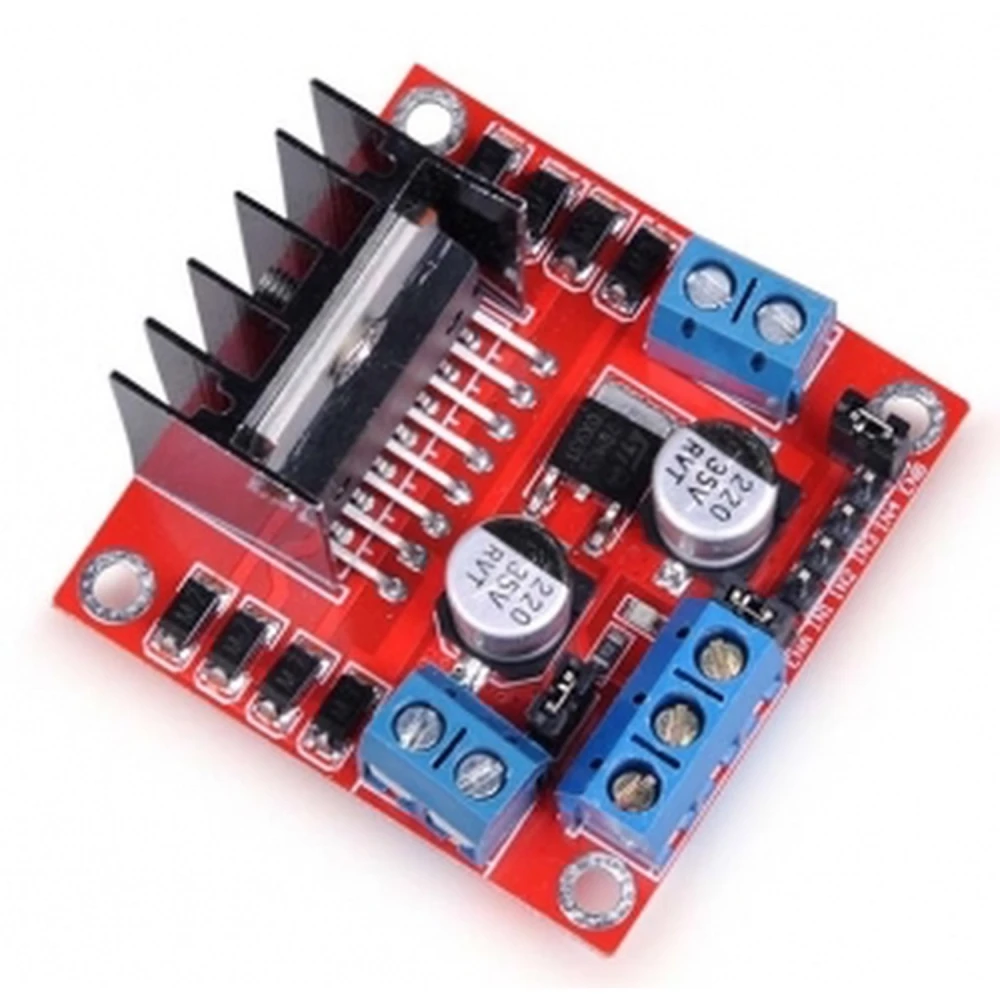
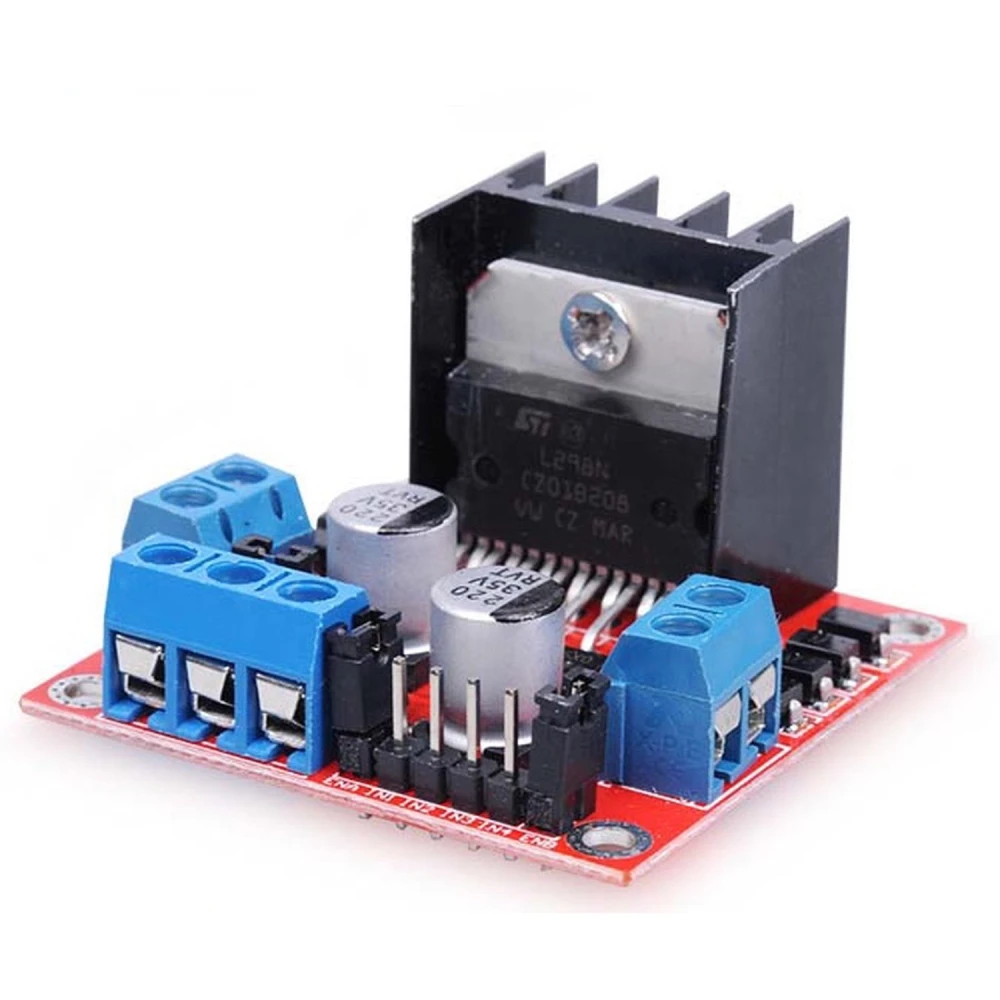

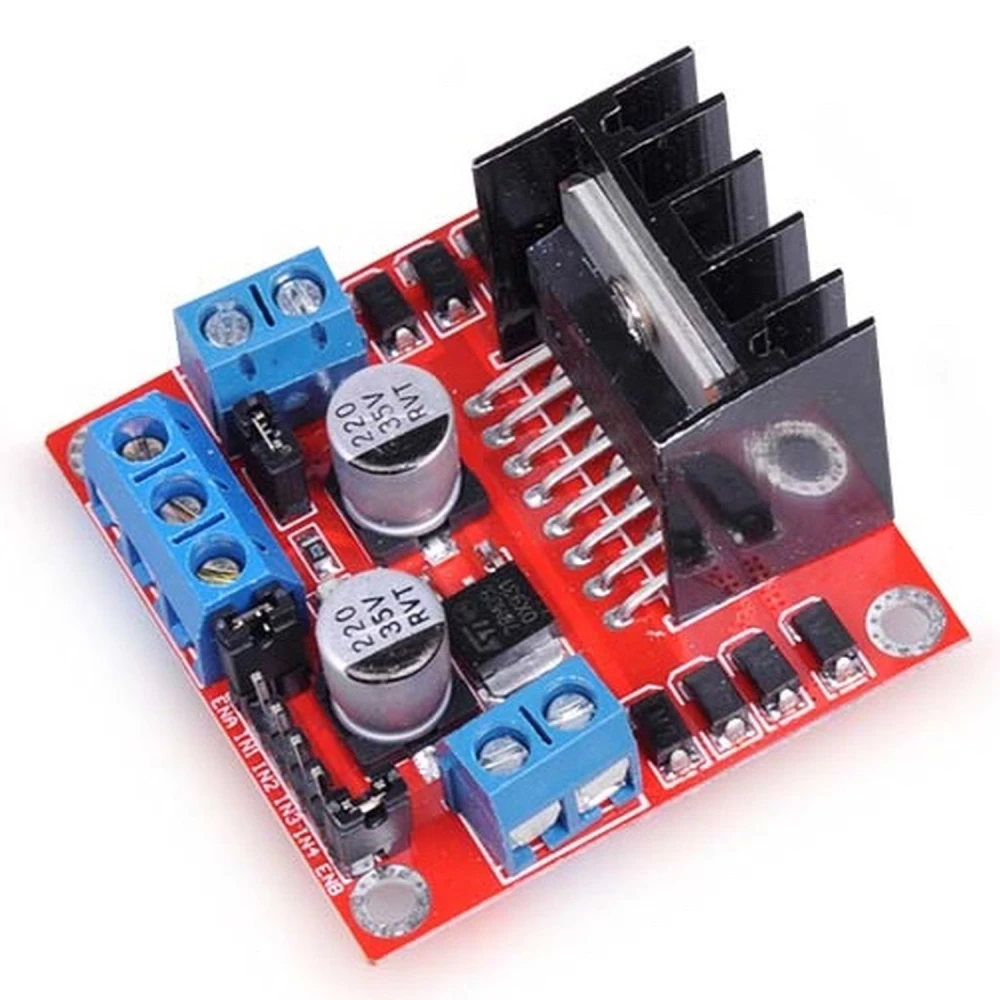

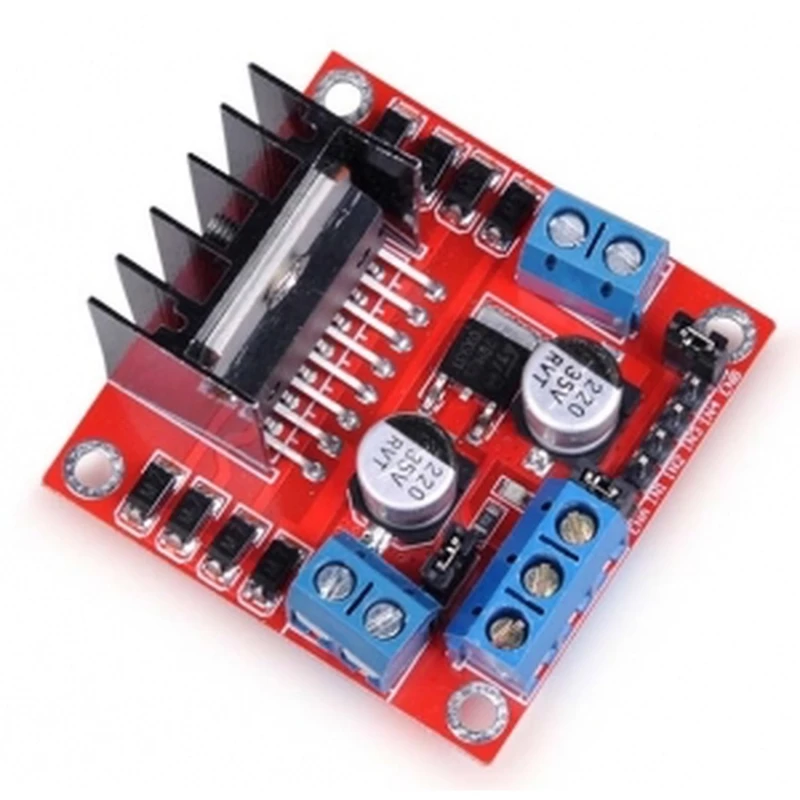
L298 Motorsteuerung Doppel-H-Brücke für Arduino - Satkit
Marke: satkit
7,31€
Inkl. MwSt. (Exkl. MwSt.: 6,14€)
Auf Lager - Sofort versandfertig
Standardlieferung
Mi, Apr 22 - Fr, Apr 24
Expresslieferung
Mo, Apr 20 - Di, Apr 21
30 Tage Rückgaberecht
Kostenlose Rücksendung innerhalb von 30 Tagen
Sichere Transaktion






Share:
Kostenlose Lieferung
Bei Bestellungen ab 300€
Einfache Rücksendung
30 Tage Rückgaberecht
Sichere Zahlung
100% sicherer Checkout
Qualitätsgarantie
Nur Originalprodukte
Descripción general
Der controlador de motores L298 ist ein elektronisches Modul zur Steuerung von Gleichstrommotoren (DC) und Schrittmotoren (PAP) in Elektronik- und Robotikprojekten, insbesondere mit Arduino-Plattformen. Dieser Controller nutzt eine Doppel-H-Brücke, die eine präzise Steuerung von Drehrichtung und Geschwindigkeit des Motors ermöglicht.
Características principales
- Leicht und leistungsstark, ideal für kompakte und mobile Projekte.
- Integrierter Kühlkörper zur Vermeidung von Überhitzung und zur Verlängerung der Lebensdauer des Controllers.
- FWD-Schutz, der Schäden durch abrupte Änderungen der Drehrichtung des Motors verhindert.
- Netzschalter für einfaches Ein- und Ausschalten.
- LED-Anzeige für Ein/Aus und Richtung zur einfachen visuellen Überwachung des Motorstatus.
- Zwei DC-Ausgänge zum Anschluss von DC-Motoren oder Schrittmotoren.
- Befestigungsbohrungen für eine sichere Montage auf einem Chassis oder einer Struktur, was die Integration in Projekte erleichtert.
Especificaciones técnicas
- Driver: L298
- Alimentación de motores: 6-35V DC
- Corriente máxima: 2 Amperios por salida (4A en total o puenteado)
- Alimentación lógica independiente: 5-7V
- Corriente para lógica: aproximadamente 36 mA
- Niveles TTL: Bajo entre -0.3V y 1.5V, alto entre 2.3V y Vss
- Potencia máxima: 25W
Usos típicos
Dieser Controller ist ideal für Robotik-, Automatisierungs- und allgemeine Motorsteuerungsprojekte. Er kann Schrittmotoren für präzise Positionierung oder DC-Motoren für Anwendungen steuern, die Geschwindigkeits- und Richtungsregelung erfordern. Er ist kompatibel mit Arduino-Boards und anderen Mikrocontrollern, die TTL-Signale unterstützen.
Compatibilidad
Kompatibel mit Arduino und anderen Systemen, die TTL-Pegel für die Logiksteuerung verwenden. Erfordert eine geeignete externe Stromversorgung für die angeschlossenen Motoren im Bereich von 6 bis 35V DC.
- Leicht und leistungsstark für kompakte Projekte
- Integrierter Kühlkörper gegen Überhitzung
- FWD-Schutz gegen abrupte Richtungswechsel
- Netzschalter für einfache Steuerung
- LED-Anzeigen für Ein/Aus und Richtung
- 2 DC-Ausgänge für Motoren oder Schrittmotoren
- Sichere Montage mit Bohrungen für das Chassis
- Motorversorgung: 6-35V DC
- Maximalstrom: 2A pro Ausgang (4A gesamt)
- Logikversorgung: 5-7V mit 36 mA
- Maximale Leistung: 25W
Kundenfragen & Antworten
Quin tipus de motors es poden controlar amb el doble pont H L298 i quin és el seu límit de corrent?
El controlador és adequat per a motors DC i motors pas a pas bipolars. Cada canal suporta fins a 2 A continus (4 A màxims pontant sortides), amb voltatges de 6 a 35 V DC per als motors. Es recomana no superar aquests límits per evitar danys permanents.
Quines cures he de tenir per evitar sobreescalfaments o danys per sobrecàrrega?
El mòdul inclou dissipador per a la gestió tèrmica, però, amb càrregues màximes o ventilació deficient, pot caldre ventilació addicional. És essencial no superar 2 A per canal i verificar que la suma de corrents no excedeixi la capacitat total. Monitorar la temperatura al tacte durant el funcionament ajuda a evitar fallades.
Quins són els requisits elèctrics per a la font d’alimentació de motors i lògica?
Es requereixen dues fonts: una per als motors (6–35 V DC, depenent del motor) i una altra per a la lògica (5–7 V DC, consum típic 36 mA). El mòdul permet separar ambdues masses per evitar soroll elèctric. Fer servir fonts estabilitzades minimitza riscos.
Hi ha limitacions en fer servir aquest controlador amb microcontroladors moderns de 3,3 V com ESP32 o Raspberry Pi Pico?
Sí. El L298 admet entrades TTL; tanmateix, els nivells alts requereixen un mínim de 2,3 V per registrar-se com a 'alt'. Amb microcontroladors de 3,3 V no hi ha inconvenient, però no és compatible directament amb nivells d’1,8 V. Per a senyals inferiors, es recomana un buffer o un adaptador de nivell lògic.
Comparant-lo amb altres controladors moderns com el DRV8825 o el BTS7960, quins són els avantatges i desavantatges objectius del L298?
El L298 és robust, fàcil de mantenir i econòmic, però presenta una dissipació tèrmica més alta i una eficiència menor (~70%) comparat amb drivers MOSFET com el DRV8825 (>90%). No ofereix microstepping avançat ni protecció intel·ligent integrada. És ideal per a prototips robustos, però no per a projectes on l’eficiència energètica o el control fi siguin clau.
What type of motors can be controlled with the dual H-bridge L298, and what is its current limit?
The controller is suitable for DC motors and bipolar stepper motors. Each channel supports up to 2 A continuous (4 A peak by bridging outputs), with motor voltages from 6 to 35 V DC. It is recommended not to exceed these limits to avoid permanent damage.
What care should I take to avoid overheating or damage from overload?
The module includes a heatsink for thermal management, but under maximum loads or poor ventilation, additional cooling may be required. It is essential not to exceed 2 A per channel and to check that the total current does not exceed the overall capacity. Monitoring the touch temperature during operation helps prevent failures.
What are the electrical requirements for the motor and logic power supply?
Two supplies are required: one for the motors (6–35 V DC, depending on the motor) and another for the logic (5–7 V DC, typical consumption 36 mA). The module allows the two grounds to be separated to avoid electrical noise. Using regulated supplies minimises risk.
Are there any limitations when using this controller with modern 3.3 V microcontrollers such as ESP32 or Raspberry Pi Pico?
Yes. The L298 accepts TTL inputs; however, the high level must be at least 2.3 V to register as 'high'. With 3.3 V microcontrollers there is no issue, but it is not directly compatible with 1.8 V levels. For lower signals, a buffer or logic level shifter is recommended.
Compared with other modern controllers such as the DRV8825 or BTS7960, what are the objective advantages and disadvantages of the L298?
The L298 is robust, easy to maintain and inexpensive, but it has higher heat dissipation and lower efficiency (~70%) compared with MOSFET drivers such as the DRV8825 (>90%). It does not offer advanced microstepping or integrated smart protection. It is ideal for robust prototypes, but not for projects where energy efficiency or fine control are key.
Kundenbewertung schreiben
Kunden, die diesen Artikel gekauft haben, kauften auch


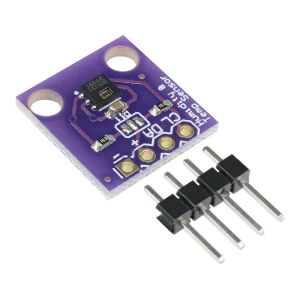
Temperatur- und Luftfeuchtigkeitssensor als Ersatz SI7021 HTU21D SHT21 SHT20 HDC1080
3,57€
Nur noch 10 auf Lager
Ihre zuletzt angesehenen Artikel


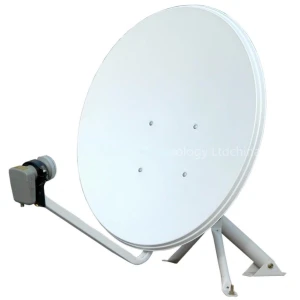
60cm Satellitenschüssel mit Halterung für Satelliten-TV - LNB nicht enthalten
14,28€
Nicht auf Lager
 L298 Motorsteuerung Doppel-H-Brücke für Arduino - Satkit
7,31€