

12V auf 230V Wechselrichter 2000W für Auto, Wohnmobil, Boot
Marke: satkit
Inkl. MwSt. (Exkl. MwSt.: 120,00€)






Der 12V auf 230V Wechselrichter 2000W der Marke satkit ist ein Gerät, das entwickelt wurde, um den 12V-Gleichstrom von Auto-, Wohnmobil- oder Bootsbatterien in 220V-Wechselstrom umzuwandeln, ideal zur Versorgung von Elektrogeräten, die diese Spannung benötigen.
Dieser Wechselrichter zeichnet sich durch eine echte Nennleistung von 2000W aus, im Gegensatz zu anderen Modellen, die 2000W angeben, aber nur 1000W real liefern. Außerdem verfügt er über eine Anlauf-Spitzenleistung von 4000W, wodurch kurzzeitige Lastspitzen problemlos bewältigt werden können.
Hauptmerkmale
- Nennleistung: 2000 W real
- Anlauf-Spitzenleistung: 4000 W
- Maximale Arbeitsleistung: 1800 W
- Eingangsspannung: 11 - 14 V DC
- Ausgangsspannung: 230 V AC ±10%
- Frequenz: 50 Hz
- Wellenform: Modifizierte Sinuswelle
- Gewicht: 4 kg
- Abmessungen: 380 x 198 x 78 mm
Lieferumfang
- 1 x DC 12V auf AC 220V 2000W Wechselrichter
- 1 x Anschlusskabel
Typische Einsatzbereiche
Dieser Wechselrichter ist ideal für Nutzer, die elektrische Geräte in folgenden Bereichen betreiben möchten:
- PKW und Autos
- Wohnwagen und Wohnmobile
- Boote und kleine Wasserfahrzeuge
Er ermöglicht den Anschluss von Haushaltsgeräten, Elektrowerkzeugen, elektronischen Geräten und anderen Geräten, die mit 220V Wechselstrom betrieben werden. Besonders nützlich ist er für Reisen und Outdoor-Aktivitäten, bei denen kein Zugang zum herkömmlichen Stromnetz besteht.
Kompatibilität
Kompatibel mit 12V-Batterien von Fahrzeugen, Wohnwagen und Booten. Wichtig ist, dass die Batterie über ausreichend Kapazität verfügt, um die vom Wechselrichter und den angeschlossenen Geräten benötigte Leistung zu tragen.
Verfügbarkeitsstatus
Dieses Produkt ist derzeit nicht auf Lager. Wir empfehlen, alternative Produkte zu prüfen oder unseren Kundenservice zu kontaktieren, um sich zu verfügbaren ähnlichen Optionen beraten zu lassen.
- Echte 2000W Nennleistung für zuverlässige Leistung
- 4000W Spitzenleistung für kurzzeitige Lastspitzen
- Eingangsspannung 11 bis 14 V DC, kompatibel mit 12V-Batterien
- 230 V AC Ausgang mit 50 Hz und modifizierter Sinuswelle
- Für den Einsatz in Autos, Wohnwagen und Booten konzipiert
- Inklusive Anschlusskabel für eine einfache Installation
- Leichtes Gewicht von 4 kg und kompakte Maße für einfachen Transport
Kundenfragen & Antworten
Quina diferència real hi ha entre la potència nominal i la potència pic d’aquest inversor de corrent?
La potència nominal (2000 W) és la càrrega màxima que l’inversor pot mantenir durant períodes llargs, mentre que la potència pic (4000 W) representa la capacitat de suportar pics d’arrencada breus, com en encendre motors. Per a ús continu, no s’han de superar els 2000 W; sobrepassar aquesta xifra durant massa temps pot reduir la vida útil o danyar l’inversor.
Quin tipus de dispositius NO és recomanable connectar a aquest inversor d’ona sinusoïdal modificada?
Els dispositius sensibles que requereixen ona sinusoïdal pura, com certs equips mèdics, motors precisos, càrregues inductives (bombes, compressors) o carregadors de bateries sofisticats, poden funcionar malament o danyar-se amb ona sinusoïdal modificada. Per a aquests, és millor un inversor d’ona sinusoïdal pura.
Quin és el rang de voltatge d’entrada i què passa si la bateria cau per sota d’11 V?
L’inversor admet entre 11 i 14 V DC. Si la tensió d’entrada cau per sota d’11 V, l’inversor habitualment s’apaga automàticament per protegir la bateria i ell mateix, evitant descàrregues profundes que poden perjudicar les bateries de plom-àcid.
Quin manteniment requereix l’inversor i quina és la seva expectativa de vida útil?
Requereix ventilació sense obstruccions, neteja periòdica de la pols (per exemple cada 6 mesos) i revisió de connexions. La seva vida útil típica és de 3 a 6 anys en condicions normals, variant segons la càrrega i la temperatura ambient (idealment <35°C). L’ús freqüent prop de la potència màxima pot escurçar aquest període.
What is the real difference between the rated power and the peak power of this power inverter?
The rated power (2000 W) is the maximum load the inverter can sustain for long periods, while the peak power (4000 W) represents its ability to handle brief starting surges, such as when motors are switched on. For continuous use, it must not exceed 2000 W; exceeding this for a prolonged period may reduce service life or damage the inverter.
What type of devices is it NOT recommended to connect to this modified sine wave inverter?
Sensitive devices that require pure sine wave output, such as certain medical equipment, precision motors, inductive loads (pumps, compressors) or sophisticated battery chargers, may operate poorly or be damaged by modified sine wave. For these, a pure sine wave inverter is better.
What is the input voltage range and what happens if the battery drops below 11 V?
The inverter accepts between 11 and 14 V DC. If the input voltage falls below 11 V, the inverter usually switches off automatically to protect the battery and itself, preventing deep discharge that can harm lead-acid batteries.
What maintenance does the inverter require and what is its expected service life?
It requires unobstructed ventilation, periodic dust cleaning (for example every 6 months) and connection checks. Its typical service life is 3 to 6 years under normal conditions, varying according to load and ambient temperature (ideally <35°C). Frequent use near maximum power can shorten this period.
What is the real difference between the rated power and the peak power of this power inverter?
The rated power (2000 W) is the maximum load the inverter can sustain for long periods, while the peak power (4000 W) represents its ability to handle brief starting surges, such as when motors are switched on. For continuous use, it must not exceed 2000 W; exceeding this for a prolonged period may reduce service life or damage the inverter.
What type of devices is it NOT advisable to connect to this modified sine wave inverter?
Sensitive devices that require pure sine wave output, such as certain medical equipment, precision motors, inductive loads (pumps, compressors) or sophisticated battery chargers, may operate poorly or be damaged by modified sine wave output. For these, a pure sine wave inverter is better.
Kundenbewertung schreiben
Kunden, die diesen Artikel gekauft haben, kauften auch


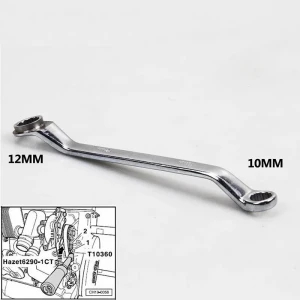
Wasserpumpen-Riemenscheiben-Schlüssel T10360 12mm für Volkswagen Audi EA888
Ihre zuletzt angesehenen Artikel