


5,95€
Auf Lager

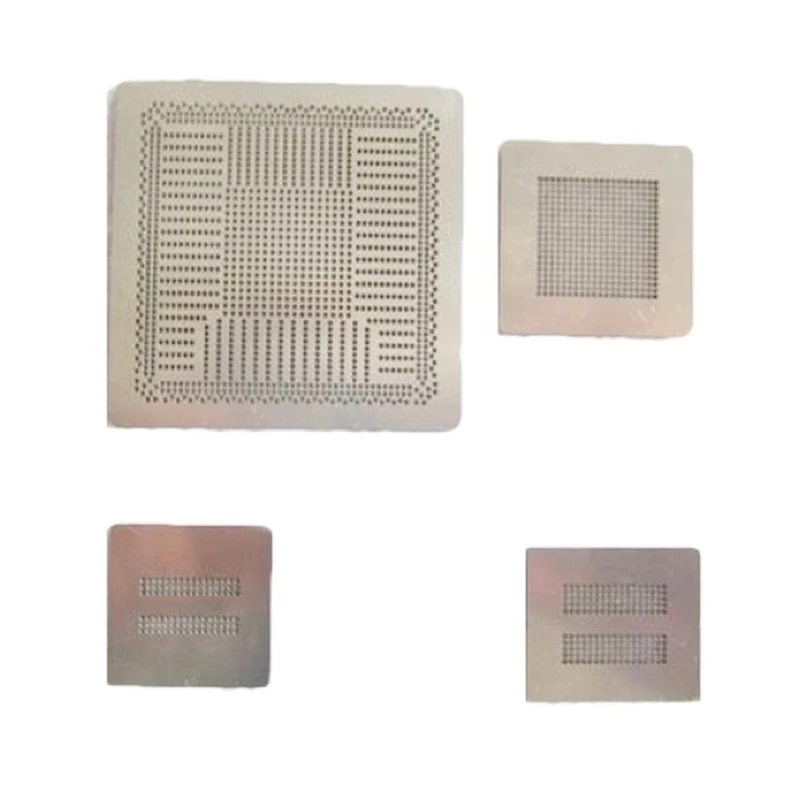
4er-Set Stencils für PS4 Heißluft: Präzise Reparaturvorlagen
Marke: satkit
5,95€
Inkl. MwSt. (Exkl. MwSt.: 5,00€)
Nur noch 5 auf Lager - jetzt bald bestellen!
Standardlieferung
Mi, Apr 22 - Fr, Apr 24
Expresslieferung
Mo, Apr 20 - Di, Apr 21
30 Tage Rückgaberecht
Kostenlose Rücksendung innerhalb von 30 Tagen
Sichere Transaktion






Share:
Kostenlose Lieferung
Bei Bestellungen ab 300€
Einfache Rücksendung
30 Tage Rückgaberecht
Sichere Zahlung
100% sicherer Checkout
Qualitätsgarantie
Nur Originalprodukte
Das 4er-Set Stencils für PS4 Heißluft ist ein unverzichtbares Set für Techniker und Bastler, die an der Reparatur und Wartung von PS4-Konsolen arbeiten. Diese Vorlagen wurden entwickelt, um den Lötprozess spezifischer Komponenten mit direkter Hitze zu erleichtern und bei jedem Arbeitsschritt Präzision und Effizienz zu gewährleisten.
Hauptmerkmale:
- Kompatibilität: Speziell für die gängigsten ICs in der PS4 entwickelt, darunter:
- Stencil CXD90025G mit einer Stärke von 0.5mm
- Stencil CXD90026G mit einer Stärke von 0.6mm
- Stencil K4G41325FC für RAM GDDR5 mit einer Stärke von 0.45mm
- Stencil K4B2G1646E für DDR3 SDRAM mit einer Stärke von 0.45mm
- Hochwertiges Material: Hergestellt, um direkter Hitze standzuhalten, ohne sich zu verformen, und sorgt so für gleichbleibende Ergebnisse.
- Einfache Anwendung: Ermöglicht ein schnelles und präzises Auftragen von Lötzinn auf die elektronischen Komponenten der PS4.
Typische Anwendungen:
- Reparatur und Austausch von Chips in PS4-Konsolen.
- Wartung von RAM und anderen spezifischen elektronischen Komponenten.
- Elektronikprojekte, die Vorlagen für das Löten mit direkter Hitze erfordern.
Kompatibilität mit Werkzeugen: Diese Vorlagen sind mit Lötstationen kompatibel, die direkte Hitze verwenden, wie z. B. AOYUE-Stationen, und lassen sich so nahtlos in Ihre Werkstattausrüstung integrieren.
Dieses Set ist ein unverzichtbares Zubehör für Profis, die bei der Reparatur von PS4 auf Präzision und Qualität setzen, die Arbeit erleichtern und die Haltbarkeit der Reparaturen verbessern.
- Enthält 4 Stencils für PS4, kompatibel mit spezifischen ICs: CXD90025G, CXD90026G, K4G41325FC und K4B2G1646E.
- Hitzebeständiges Material für den Einsatz mit AOYUE-Stationen und ähnlichen Geräten.
- Vorlagenstärken: 0.5mm, 0.6mm und 0.45mm für unterschiedliche Komponenten.
- Ideal für präzise Reparaturen und die Wartung von PS4-Konsolen.
- Erleichtert das Auftragen von Lötzinn auf Chips sowie GDDR5- und DDR3-RAM.
Kundenfragen & Antworten
Quina diferència ofereixen els gruixos de 0,45 mm, 0,5 mm i 0,6 mm entre els stencils inclosos al pack?
Els diferents gruixos (0,45 mm, 0,5 mm i 0,6 mm) corresponen a la distància entre els pads de cada IC específic, assegurant un ajust precís per a cada xip segons el seu encapsulat. Fer servir el gruix adequat millora l'alineació de les esferes d'estany i redueix el risc de curtcircuit o de mala soldadura durant el reballing.
De quin material són els stencils i quina durabilitat tenen amb un ús freqüent de calor directa?
Aquests stencils solen estar fabricats en acer inoxidable, que suporta temperatures habituals en processos de reballing (per sobre de 220°C). La durabilitat depèn de l'ús i de la manipulació, però amb una neteja i un emmagatzematge adequats poden resistir desenes de cicles sense degradació rellevant. La cura contra les doblegades i la brutícia és essencial.
Cal algun tractament previ o neteja especial abans del primer ús del stencil?
És recomanable netejar els stencils abans del primer ús amb alcohol isopropílic (com a mínim 90%) per eliminar residus de fabricació. Cal assecar-los completament per evitar la contaminació de les esferes d'estany.
Quins problemes freqüents poden aparèixer en fer servir aquests stencils i com es poden solucionar?
Els problemes més habituals inclouen embussos als forats per acumulació d'estany i deformació per excés de calor o pressió. Per evitar-ho, cal netejar els stencils després de cada ús, evitar aplicar força excessiva i utilitzar una temperatura de treball dins dels rangs típics de reballing (220–250°C). Si un forat s'obstrueix, es pot fer servir una agulla fina o ultrasons per destapar-lo sense danyar la malla.
What difference do the 0.45 mm, 0.5 mm and 0.6 mm thicknesses make between the stencils included in the pack?
The different thicknesses (0.45 mm, 0.5 mm and 0.6 mm) correspond to the spacing between the pads of each specific IC, ensuring a precise fit for each chip according to its package. Using the correct thickness improves alignment of the solder balls and reduces the risk of short circuits or poor soldering during reballing.
What material are the stencils made from and how durable are they with frequent direct heat use?
These stencils are usually made from stainless steel, which withstands the temperatures commonly used in reballing processes (above 220°C). Durability depends on use and handling, but with proper cleaning and storage they can withstand dozens of cycles without significant degradation. Care against bending and dirt is essential.
Is any pre-treatment or special cleaning needed before first use of the stencil?
It is recommended to clean the stencils before first use with isopropyl alcohol (at least 90%) to remove manufacturing residues. They should be dried completely to avoid contamination of the solder balls.
What common problems can occur when using these stencils and how can they be solved?
Commonly reported issues include blockages in the holes due to solder build-up and deformation from excessive heat or pressure. To avoid this, clean the stencils after each use, avoid applying excessive force and use a working temperature within the typical reballing range (220–250°C). If a hole becomes blocked, use a fine pin or ultrasound to clear it without damaging the mesh.
What difference do the 0.45 mm, 0.5 mm and 0.6 mm thicknesses make between the stencils included in the pack?
The different thicknesses (0.45 mm, 0.5 mm and 0.6 mm) correspond to the spacing between the pads of each specific IC, ensuring a precise fit for each chip according to its package. Using the correct thickness improves alignment of the solder balls and reduces the risk of short circuits or poor soldering during reballing.
What material are the stencils made from, and how durable are they with frequent direct heat use?
These stencils are usually made from stainless steel, which withstands the temperatures commonly used in reballing processes (above 220°C). Durability depends on use and handling, but with proper cleaning and storage they can withstand dozens of cycles without significant degradation. Care against bending and dirt is essential.
Kundenbewertung schreiben
Kunden, die diesen Artikel gekauft haben, kauften auch
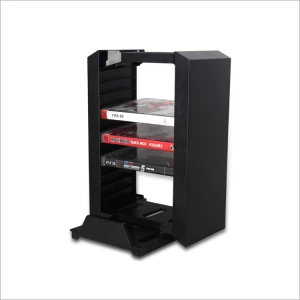
Vertikaler Multifunktionsständer für PS4 und Xbox One S, kompatibel und praktisch
11,90€
Nur noch 5 auf Lager
Ihre zuletzt angesehenen Artikel
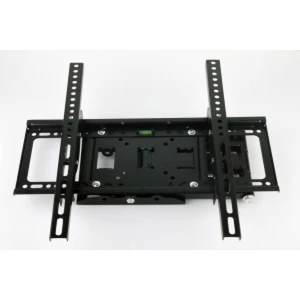
Articulierbare TV-Wandhalterung 32 bis 50 Zoll mit VESA 200x200/400x400
24,99€
Nur noch 10 auf Lager
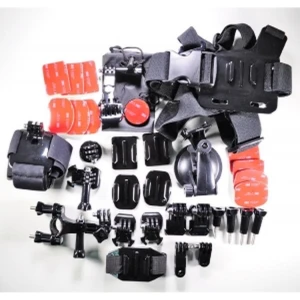
GoPro Hero Zubehör-Set 33-teilig für HERO3+, HERO3, HERO2, HERO4 und SJ4000
29,75€
Nur noch 6 auf Lager

Kabellose Tastatur mit Trackpad für Android TV Modell T2 für Mini-PC und Media Center
15,47€
Nicht auf Lager
 4er-Set Stencils für PS4 Heißluft: Präzise Reparaturvorlagen
5,95€