


4,76€
Auf Lager
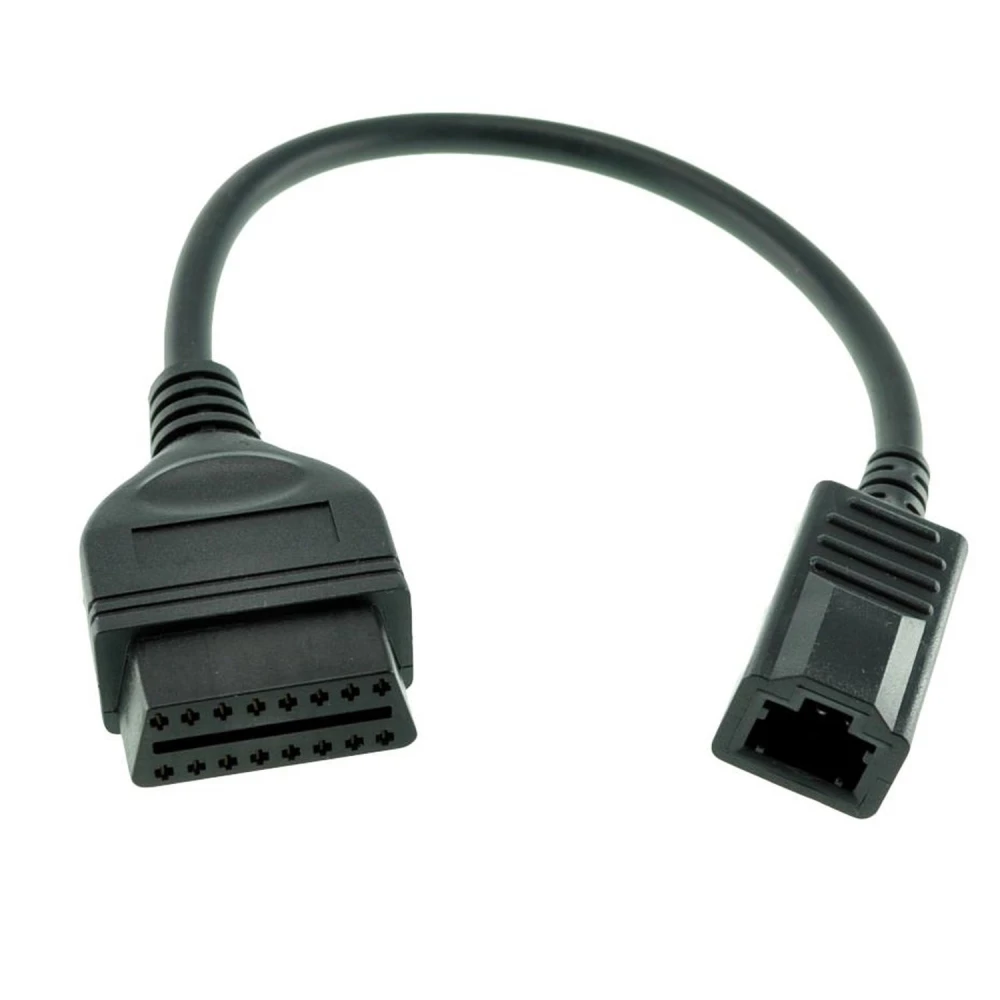
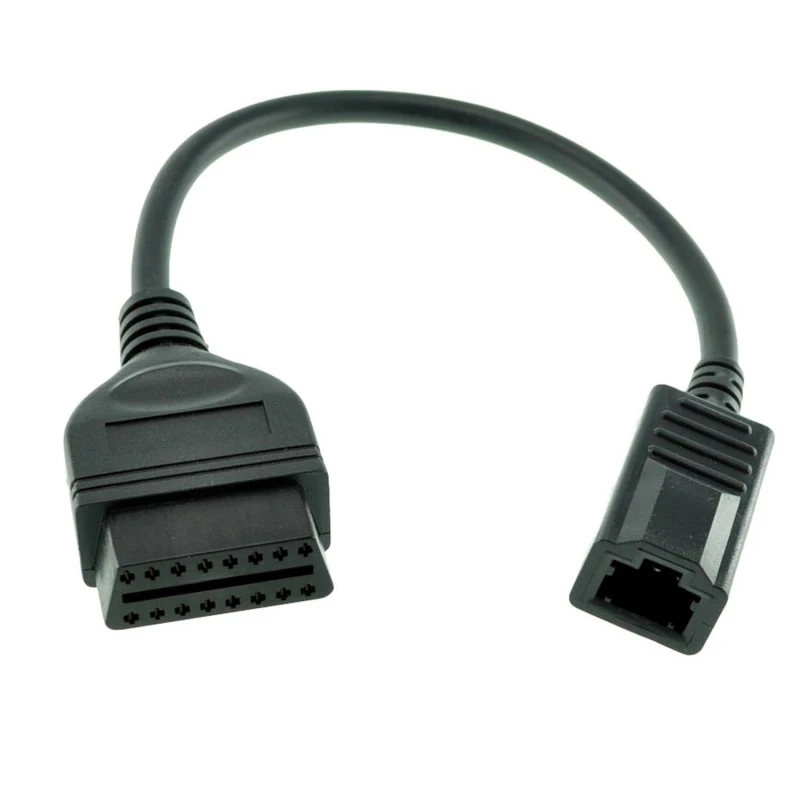
Honda 3-Pin auf 16-Pin OBDII Adapter für Fahrzeugdiagnose
Marke: satkit
4,76€
Inkl. MwSt. (Exkl. MwSt.: 4,00€)
Begrenzter Vorrat
Standardlieferung
Mi, Apr 22 - Fr, Apr 24
Expresslieferung
Mo, Apr 20 - Di, Apr 21
30 Tage Rückgaberecht
Kostenlose Rücksendung innerhalb von 30 Tagen
Sichere Transaktion






Share:
Kostenlose Lieferung
Bei Bestellungen ab 300€
Einfache Rücksendung
30 Tage Rückgaberecht
Sichere Zahlung
100% sicherer Checkout
Qualitätsgarantie
Nur Originalprodukte
Der Honda 3-Pin auf 16-Pin OBDII Adapter ist ein Adapter für Honda-Fahrzeuge mit einem 3-Pin-Diagnoseanschluss, die mit standardmäßigen OBDII-Diagnosegeräten mit 16-Pin-Anschluss verbunden werden müssen. Dieser Adapter ermöglicht eine einfache und zuverlässige Verbindung für Fahrzeugdiagnosen und erleichtert das Auslesen von Fehlercodes sowie die vorbeugende Wartung.
Hauptmerkmale:
- Adapter von Honda 3-Pin auf OBDII 16-Pin.
- Kompatibel mit Honda-Fahrzeugen mit 3-Pin-Diagnoseanschluss.
- Robuste Verarbeitung für Langlebigkeit und stabile Verbindung.
- Einfach zu verwenden, keine zusätzlichen Werkzeuge für die Installation erforderlich.
- Ideal für Werkstätten und Privatnutzer, die Fahrzeugdiagnose benötigen.
Typische Anwendungen:
- Standard-OBDII-Scanner mit Honda-Fahrzeugen mit 3-Pin-Anschluss verbinden.
- Motor- und Elektronikdiagnosen bei älteren oder spezifischen Honda-Fahrzeugen durchführen.
- Reparatur und Wartung durch das Auslesen von Fehlercodes erleichtern.
Kompatibilität:
Dieser Adapter ist mit Honda-Modellen kompatibel, die über einen 3-Pin-Diagnoseanschluss verfügen. Es ist wichtig, den Anschluss Ihres Fahrzeugs vor dem Kauf dieses Adapters zu überprüfen, um die korrekte Funktion sicherzustellen.
Technische Daten:
- Eingangsanschluss: Honda 3 Pin.
- Ausgangsanschluss: OBDII 16 Pin.
- Material: Robuster Kunststoff und Metallkontakte für gute Leitfähigkeit.
Mit diesem Adapter können Sie standardmäßige OBDII-Diagnosegeräte nutzen, um Ihr Honda-Fahrzeug in optimalem Zustand zu halten und mögliche Fehler schnell und effizient zu erkennen.
- Adapter von Honda 3-Pin auf OBDII 16-Pin.
- Kompatibel mit Honda-Fahrzeugen mit 3-Pin-Anschluss.
- Robuste Verarbeitung für Langlebigkeit und stabile Verbindung.
- Einfache Installation ohne zusätzliches Werkzeug.
- Ideal für Fahrzeugdiagnose und Wartung.
Kundenfragen & Antworten
Quines són les dimensions, el pes i el material de fabricació de l'adaptador?
L'adaptador típic mesura aproximadament 25 cm de longitud, té un pes proper als 70 g i està fabricat amb cable flexible de coure i connectors de plàstic ABS d'alta durabilitat. Aquestes característiques faciliten la manipulació i l'emmagatzematge sense risc de trencament en un ús normal.
Puc utilitzar el convertidor per fer diagnòstics amb el motor en marxa i quins són els límits operatius de temperatura i voltatge?
Sí, es pot utilitzar amb el motor en marxa sempre que es facin procediments de diagnòstic electrònic. El cable suporta temperatures de funcionament entre -20 °C i 60 °C, i està dissenyat per a voltatges de sistemes elèctrics d'automoció (12 V DC estàndard). No s'ha d'utilitzar com a adaptador de potència ni per a transferències de corrent prolongades.
Quins problemes solen aparèixer amb aquest tipus d'adaptadors i com es poden solucionar?
Els problemes més habituals inclouen connexió intermitent per pinces fluixes, incompatibilitat entre l'scanner i el vehicle, o cables interns danyats. Es recomana verificar la fermesa dels dos extrems, comprovar la compatibilitat de protocols i evitar estirades o doblecs forts. Si falla la comunicació, provar amb un altre scanner o revisar la continuïtat amb un multímetre pot ajudar a diagnosticar el problema.
What are the dimensions, weight and manufacturing material of the adapter?
The typical adapter measures approximately 25 cm in length, weighs around 70 g, and is made from flexible copper cable and highly durable ABS plastic connectors. These features make it easy to handle and store, with no risk of breakage under normal use.
Can I use the converter for diagnostics with the engine running, and what are the operating temperature and voltage limits?
Yes, it can be used with the engine running while carrying out electronic diagnostic procedures. The cable supports operating temperatures between -20 °C and 60 °C, and is designed for automotive electrical system voltages (standard 12 V DC). It must not be used as a power adapter or for prolonged current transfer.
What problems usually occur with this type of adapter and how can they be solved?
The most common issues include intermittent connection due to loose clips, incompatibility between the scanner and the vehicle, or damaged internal cables. It is recommended to check both ends are firmly connected, confirm protocol compatibility, and avoid pulling or bending the cable sharply. If communication fails, trying another scanner or checking continuity with a multimeter can help diagnose the problem.
What are the dimensions, weight and manufacturing material of the adapter?
The typical adapter measures approximately 25 cm in length, weighs around 70 g, and is made from flexible copper cable and highly durable ABS plastic connectors. These features make it easy to handle and store, with no risk of breakage under normal use.
Can I use the converter for diagnostics with the engine running, and what are the operating temperature and voltage limits?
Yes, it can be used with the engine running while carrying out electronic diagnostic procedures. The cable withstands operating temperatures between -20 °C and 60 °C, and is designed for automotive electrical system voltages (standard 12 V DC). It must not be used as a power adapter or for prolonged current transfer.
What problems usually occur with this type of adapter and how can they be solved?
The most common issues include intermittent connection due to loose clips, incompatibility between the scanner and the vehicle, or damaged internal cables. It is recommended to check both ends are firmly connected, confirm protocol compatibility, and avoid pulling or sharp bending. If communication fails, trying another scanner or checking continuity with a multimeter can help diagnose the problem.
Vilka är adapterns mått, vikt och tillverkningsmaterial?
Den typiska adaptern är cirka 25 cm lång, väger runt 70 g och är tillverkad med flexibel kopparkabel och slitstarka ABS-plastkontakter. Dessa egenskaper gör den enkel att hantera och förvara utan risk för brott vid normal användning.
Kundenbewertung schreiben
Kunden, die diesen Artikel gekauft haben, kauften auch
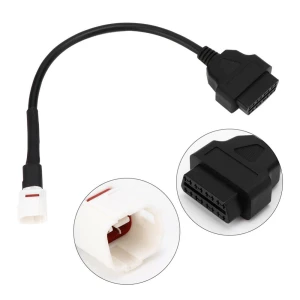
Yamaha OBD2 Diagnosekabel 3Pin auf 16 Pin für Motorräder kompatibel und langlebig
8,93€
Nur noch 5 auf Lager
Ihre zuletzt angesehenen Artikel


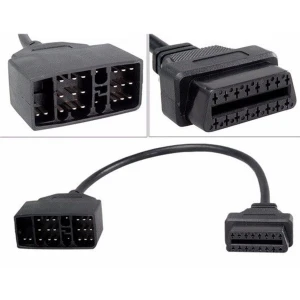
 Honda 3-Pin auf 16-Pin OBDII Adapter für Fahrzeugdiagnose
4,76€