




3,33€
Auf Lager

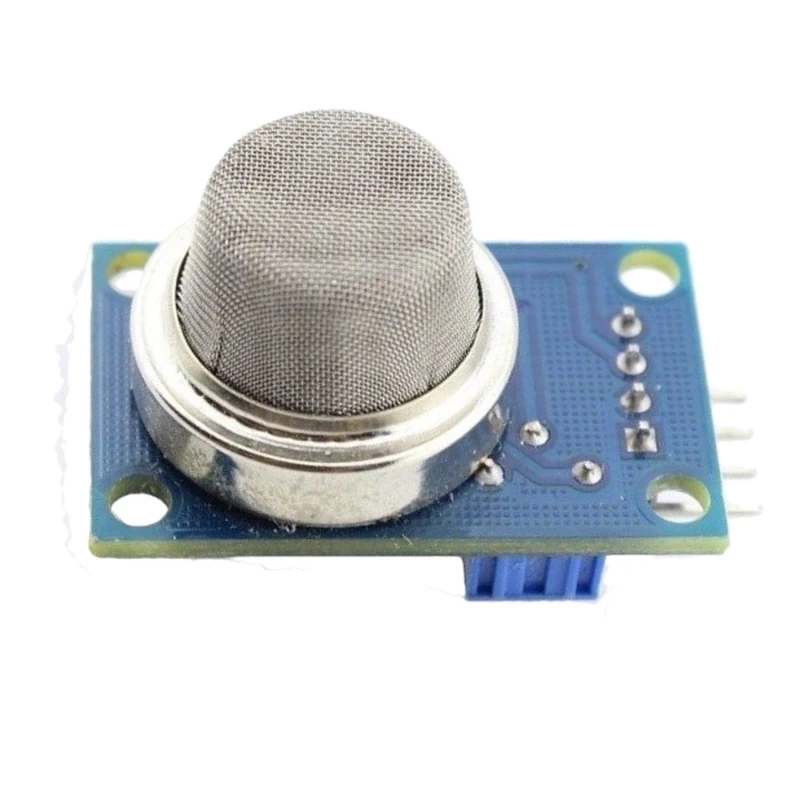
MQ135 Luftqualitätssensor für Arduino - kompatibler Gas- und Schadstoffdetektor
Marke: satkit
3,33€
Inkl. MwSt. (Exkl. MwSt.: 2,80€)
Begrenzter Vorrat
Standardlieferung
Mi, Apr 22 - Fr, Apr 24
Expresslieferung
Mo, Apr 20 - Di, Apr 21
30 Tage Rückgaberecht
Kostenlose Rücksendung innerhalb von 30 Tagen
Sichere Transaktion






Share:
Kostenlose Lieferung
Bei Bestellungen ab 300€
Einfache Rücksendung
30 Tage Rückgaberecht
Sichere Zahlung
100% sicherer Checkout
Qualitätsgarantie
Nur Originalprodukte
Produktbeschreibung
Der MQ135 Luftqualitätssensor für Arduino ist ein Modul zur Erfassung der Luftqualität durch die Messung gängiger Schadgase. Der Sensor ist mit Arduino-Boards kompatibel und lässt sich dadurch einfach in Projekte zur Umweltüberwachung und Schadstofferkennung integrieren.
Hauptmerkmale
- Betriebsspannung: 5V DC.
- Pinbelegung: 1 - analoger Ausgang, 2 - GND, 3 - VCC.
- Doppelter Ausgang: analog und TTL-Pegel für mehr Flexibilität bei der Datenerfassung.
- Hohe Empfindlichkeit gegenüber schädlichen Gasen wie Ammoniak (NH3), Stickoxiden (NOx), Alkohol, Schwefel, Benzol (C6H6), Kohlenmonoxid (CO) und Rauch.
- Schnelle Reaktion für eine effiziente Erkennung von Veränderungen der Luftqualität.
- Sensor mit langer Lebensdauer und zuverlässiger Stabilität.
- Empfindlichkeit über integriertes Potentiometer einstellbar.
- Messbereich: 10 bis 1000 ppm.
- Kompakte Größe: 32 mm x 22 mm x 24 mm.
- Modul mit Standard-Anschlussstiften für eine einfache Integration.
Typische Einsatzbereiche
Dieser Sensor eignet sich ideal für Smart-Home-Projekte, Wetterstationen, intelligente Lüftungssysteme und alle Anwendungen, die eine Überwachung der Luftqualität in Innen- oder Außenbereichen erfordern. Durch die Kompatibilität mit Arduino ist er perfekt für Hobbyanwender und Profis, die eine kostengünstige und zuverlässige Lösung suchen.
Kompatibilität
Kompatibel mit Arduino-Boards und anderen Mikrocontrollern, die einen analogen Eingang oder digitalen TTL-Eingang unterstützen. Die einfache Verbindung ermöglicht den Einsatz in einer Vielzahl elektronischer Projekte.
Technische Daten
| Parameter | Detail |
|---|---|
| Betriebsspannung | 5V DC |
| Pins | 1 analoger Ausgang, 2 GND, 3 VCC |
| Ausgang | Analog und TTL |
| Erkannte Gase | Ammoniak, Stickoxide, Alkohol, Schwefel, Benzol, Kohlenmonoxid, Rauch |
| Messbereich | 10-1000 ppm |
| Größe | 32 x 22 x 24 mm |
| Empfindlichkeit | Über Potentiometer einstellbar |
Wichtiger Hinweis: Diese Beschreibung bezieht sich ausschließlich auf den MQ135-Sensor. Sie enthält keine Spezifikationen anderer Sensoren wie des MQ-2, die in zusätzlichen Informationen enthalten sein können.
- Betriebsspannung: 5V DC
- Analoger Ausgang und TTL-Pegel für flexible Nutzung
- Hohe Empfindlichkeit gegenüber schädlichen Gasen wie NH3, NOx, CO, Alkohol und mehr
- Schnelle und stabile Reaktion mit langer Lebensdauer
- Empfindlichkeit über Potentiometer einstellbar
- Messbereich von 10 bis 1000 ppm
- Kompakte Baugröße für die einfache Integration in Arduino-Projekte
- Standard-Anschlussstifte für einfache Montage
Kundenfragen & Antworten
Requereix calibratge inicial el MQ-135 i com es fa aquest procés?
Sí, el MQ-135 requereix calibratge inicial per obtenir mesures precises. El procés inclou exposar-lo a aire net per ajustar la resistència base (R0) mitjançant el potenciòmetre integrat. Per quantificar gasos específics és recomanable comparar la lectura analògica amb patrons certificats o atmosferes conegudes.
En què es diferencia el MQ-135 respecte a sensors com el MQ-2, pel que fa a aplicacions i sensibilitat?
El MQ-135 està optimitzat per a gasos tòxics i qualitat de l'aire (NH3, CO, NOx, benzè), mentre que el MQ-2 és més específic per a la detecció de gasos combustibles i fum (propà, metà, LPG). El rang de detecció del MQ-2 és de 300-10,000 ppm, més gran que el del MQ-135, però menys sensible a contaminants de l'aire no combustibles. L'elecció depèn del gas d'interès en l'aplicació.
Does the MQ-135 require initial calibration and how is this process carried out?
Yes, the MQ-135 requires initial calibration to achieve accurate readings. The process involves exposing it to clean air to adjust the base resistance (R0) using the built-in potentiometer. To quantify specific gases, it is advisable to compare the analogue reading against certified standards or known atmospheres.
How does the MQ-135 differ from sensors such as the MQ-2 in terms of applications and sensitivity?
The MQ-135 is optimised for toxic gases and air quality (NH3, CO, NOx, benzene), whereas the MQ-2 is more specific for detecting combustible gases and smoke (propane, methane, LPG). The MQ-2 detection range is 300-10,000 ppm, higher than the MQ-135, but it is less sensitive to non-combustible air pollutants. The choice depends on the gas of interest in the application.
Does the MQ-135 require initial calibration and how is this process carried out?
Yes, the MQ-135 requires initial calibration to achieve accurate readings. The process includes exposing it to clean air to adjust the base resistance (R0) using the built-in potentiometer. To quantify specific gases, it is advisable to compare the analogue reading against certified standards or known atmospheres.
How does the MQ-135 differ from sensors such as the MQ-2 in terms of applications and sensitivity?
The MQ-135 is optimised for toxic gases and air quality (NH3, CO, NOx, benzene), whereas the MQ-2 is more specific to combustible gas and smoke detection (propane, methane, LPG). The MQ-2 detection range is 300-10,000 ppm, higher than the MQ-135, but it is less sensitive to non-combustible air pollutants. The choice depends on the gas of interest in the application.
Kräver MQ-135 initial kalibrering och hur utförs processen?
Ja, MQ-135 kräver initial kalibrering för att ge exakta mätningar. Processen innebär att sensorn exponeras för ren luft för att justera grundresistansen (R0) med den inbyggda potentiometern. För att kvantifiera specifika gaser rekommenderas att jämföra den analoga avläsningen mot certifierade referenser eller kända atmosfärer.
Hur skiljer sig MQ-135 från sensorer som MQ-2 när det gäller användningsområden och känslighet?
MQ-135 är optimerad för giftiga gaser och luftkvalitet (NH3, CO, NOx, bensen), medan MQ-2 är mer specifik för detektering av brännbara gaser och rök (propan, metan, LPG). MQ-2:s detekteringsområde är 300–10 000 ppm, större än MQ-135:s, men den är mindre känslig för icke-brännbara luftföroreningar. Valet beror på vilken gas som är relevant för applikationen.
Ali MQ-135 zahteva začetno kalibracijo in kako se ta postopek izvede?
Da, MQ-135 zahteva začetno kalibracijo za natančne meritve. Postopek vključuje izpostavitev čistem zraku za nastavitev osnovne upornosti (R0) z vgrajenim potenciometrom. Za kvantifikacijo specifičnih plinov je priporočljivo primerjati analogni odčitek s certificiranimi vzorci ali znanimi atmosferami.
V čem se MQ-135 razlikuje od senzorjev, kot je MQ-2, glede uporabe in občutljivosti?
MQ-135 je optimiziran za strupene pline in kakovost zraka (NH3, CO, NOx, benzen), medtem ko je MQ-2 bolj specifičen za zaznavanje gorljivih plinov in dima (propan, metan, LPG). Območje zaznavanja MQ-2 je 300–10.000 ppm, kar je več kot pri MQ-135, vendar je manj občutljiv na ne-gorljive onesnaževalce zraka. Izbira je odvisna od plina, ki vas zanima v aplikaciji.
Kundenbewertung schreiben
Kunden, die diesen Artikel gekauft haben, kauften auch


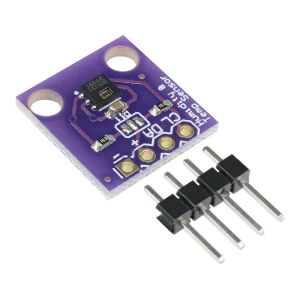
Temperatur- und Luftfeuchtigkeitssensor als Ersatz SI7021 HTU21D SHT21 SHT20 HDC1080
3,57€
Nur noch 10 auf Lager
Ihre zuletzt angesehenen Artikel

 MQ135 Luftqualitätssensor für Arduino - kompatibler Gas- und Schadstoffdetektor
3,33€