



3,56€
Auf Lager
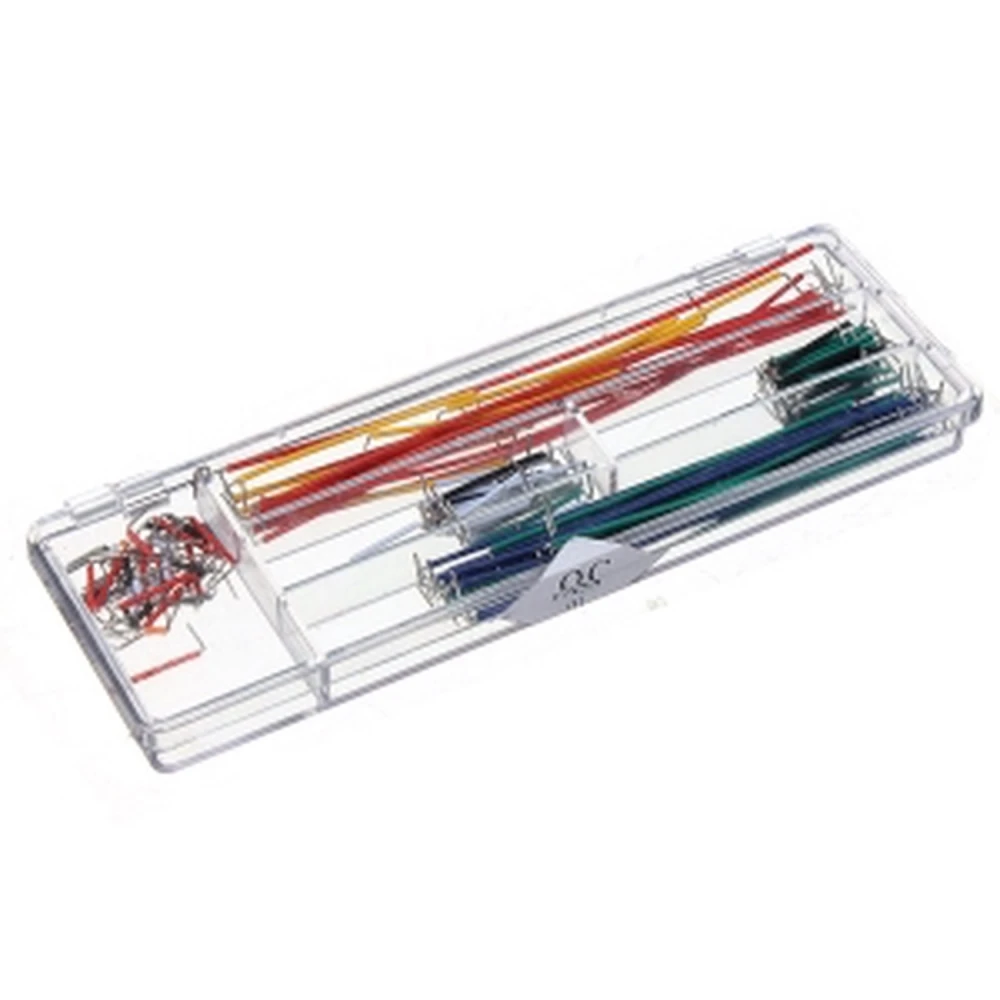
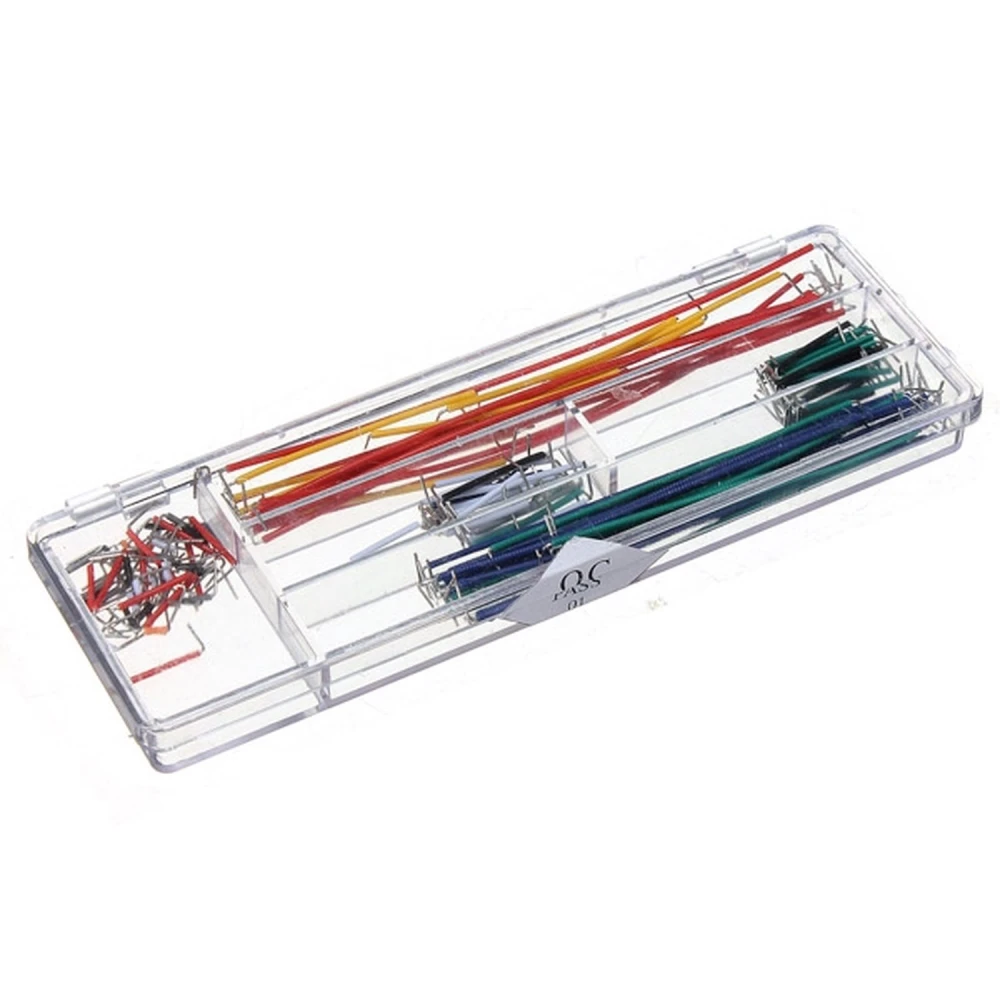
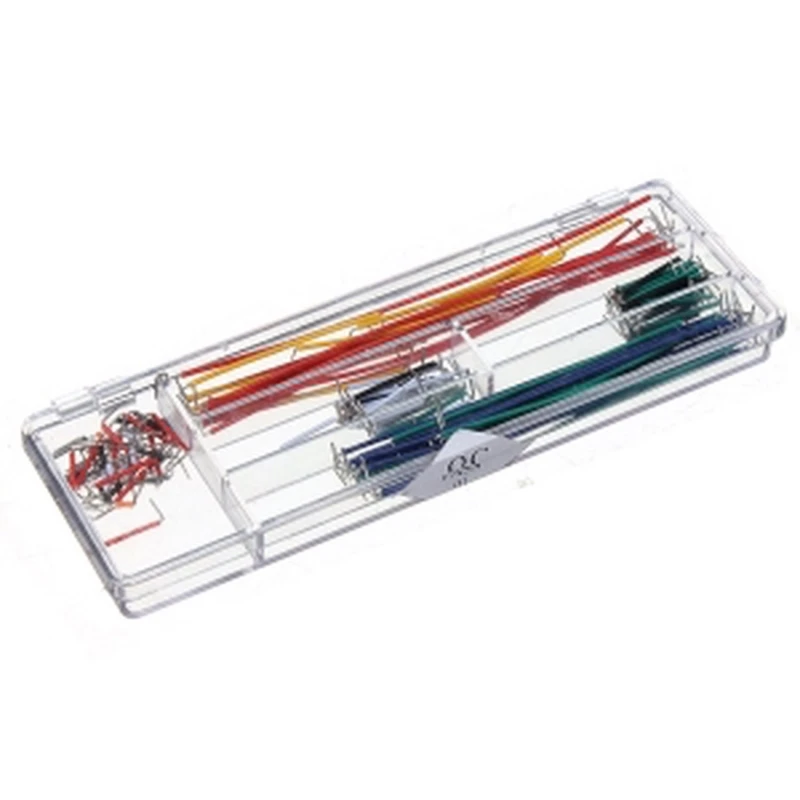
140er Jumper-Set für Protoboard mit Kunststoffbox für Arduino-Projekte
Marke: satkit
3,56€
Inkl. MwSt. (Exkl. MwSt.: 2,99€)
Begrenzter Vorrat
Standardlieferung
Mi, Apr 22 - Fr, Apr 24
Expresslieferung
Mo, Apr 20 - Di, Apr 21
30 Tage Rückgaberecht
Kostenlose Rücksendung innerhalb von 30 Tagen
Sichere Transaktion






Share:
Kostenlose Lieferung
Bei Bestellungen ab 300€
Einfache Rücksendung
30 Tage Rückgaberecht
Sichere Zahlung
100% sicherer Checkout
Qualitätsgarantie
Nur Originalprodukte
Dieses Kit 140 Jumpers Puentes para Protoboard ist eine komplette Lösung für Ihre Elektronik- und Arduino-Projekte. Es enthält 140 Kabel mit 0,6 mm Durchmesser, die für schnelle und sichere Verbindungen auf Breadboards oder Protoboards ausgelegt sind.
Die Kabel sind in 14 verschiedenen Längen sortiert, jeweils 10 Stück pro Größe, was eine hohe Flexibilität beim Aufbau unterschiedlicher und komplexer Schaltungen ohne Verheddern oder Verwechslungen ermöglicht. Die enthaltenen Längen sind: 2, 5, 7, 10, 12, 15, 17, 20, 22, 25, 50, 75, 100 und 125 mm.
Alle Jumper sind in einer praktischen Kunststoffbox organisiert, die Lagerung und Transport erleichtert und während der Arbeit für Ordnung und schnellen Zugriff sorgt.
- Durchmesser der Kabel: 0,6 mm
- Gesamtmenge: 140 Kabel
- Verschiedene Längen: 14 verschiedene Größen, 10 Kabel pro Größe
- Organisation: Kunststoffbox für einfache Aufbewahrung
Dieses Set ist ideal für alle, die mit Arduino-Projekten, elektronischen Prototypen oder jeder Montage arbeiten, die temporäre Verbindungen auf dem Protoboard erfordert. Die Kabel ermöglichen schnelle und effiziente Verbindungen und erleichtern so das Experimentieren und die Entwicklung von Schaltungen.
Außerdem macht die Kompatibilität mit den meisten Standard-Protoboards es zu einem unverzichtbaren Zubehör für Studierende, Hobbyanwender und Profis der Elektronik.
Typische Anwendungen:
- Aufbau temporärer Schaltungen auf dem Protoboard
- DIY-Elektronikprojekte und Ausbildung
- Entwicklung und Test von Arduino-Projekten
- Reparatur und Wartung elektronischer Schaltungen
Mit diesem Set haben Sie eine große Auswahl an Kabeln zur Hand, um saubere und ordentliche Verbindungen herzustellen und so die Effizienz und Präsentation Ihrer Projekte zu verbessern.
- 140 Kabel mit 0,6 mm für Protoboard
- 14 verschiedene Längen, 10 Kabel pro Größe
- Kunststoffbox für Aufbewahrung und Transport
- Ideal für Arduino-Projekte und elektronische Prototypen
- Kompatibel mit den meisten Standard-Protoboards
Kundenfragen & Antworten
Quins avantatges té utilitzar aquests jumpers amb protoboards davant de cables flexibles tradicionals?
Aquests jumpers tenen extrems preformats de 0,6 mm que encaixen perfectament en protoboards estàndard sense necessitat de pelar o retorçar cables, cosa que redueix el risc de connexions fluixes i facilita l’organització, tot i que són menys adaptables en recorreguts complexos comparats amb cables flexibles.
De quin material estan fets els cables i quin és el seu calibre específic?
Els cables estan fabricats en coure recobert amb aïllament de PVC, amb un diàmetre de 0,6 mm (aproximadament AWG #22), ideal per a aplicacions de baixa intensitat en electrònica educativa o de prototipatge.
Amb quins voltatges i corrents màxims són segurs aquests jumpers per a l'ús en protoboards?
Es recomana no superar 300 V i 1 A de corrent continu per jumper, ja que valors superiors poden sobreescalfar l'aïllament o forçar la resistència del coure, especialment en connexions prolongades.
Hi ha normatives o proves de seguretat que certifiquin aquests jumpers per a ús didàctic o de laboratori?
Aquest tipus de jumpers generalment no està certificat sota normes estrictes com UL, ja que estan destinats a prototipatge i ús educatiu de baixa tensió; tanmateix, compleixen les toleràncies de materials i calibres típiques per a laboratoris d'electrònica bàsica.
What material are the cables made from, and what is their specific gauge?
The cables are made from copper with PVC insulation, with a diameter of 0.6 mm (approximately AWG #22), ideal for low-current applications in educational electronics or prototyping.
What maximum voltages and currents are these jumpers safe for when used on breadboards?
It is recommended not to exceed 300 V and 1 A of direct current per jumper, as higher values may overheat the insulation or strain the copper resistance, especially in prolonged connections.
Are there any safety regulations or tests certifying these jumpers for educational or laboratory use?
This type of jumper is generally not certified under strict standards such as UL, as they are intended for prototyping and low-voltage educational use; however, they meet the typical material and gauge tolerances used in basic electronics labs.
What are the advantages of using these jumpers with breadboards compared with traditional flexible wires?
These jumpers have pre-formed 0.6 mm ends that fit perfectly into standard breadboards without the need to strip or twist wires, reducing the risk of loose connections and making organisation easier, although they are less adaptable for complex routing than flexible wires.
What material are the cables made from and what is their specific gauge?
The cables are made from copper with a PVC insulation coating, with a diameter of 0.6 mm (approximately AWG #22), ideal for low-current applications in educational electronics or prototyping.
What voltages and maximum currents are these jumpers safe for when used on breadboards?
It is recommended not to exceed 300 V and 1 A of DC current per jumper, as higher values may overheat the insulation or strain the copper resistance, especially in prolonged connections.
Kundenbewertung schreiben
Kunden, die diesen Artikel gekauft haben, kauften auch





Ihre zuletzt angesehenen Artikel
 140er Jumper-Set für Protoboard mit Kunststoffbox für Arduino-Projekte
3,56€