


76,17€
Auf Lager

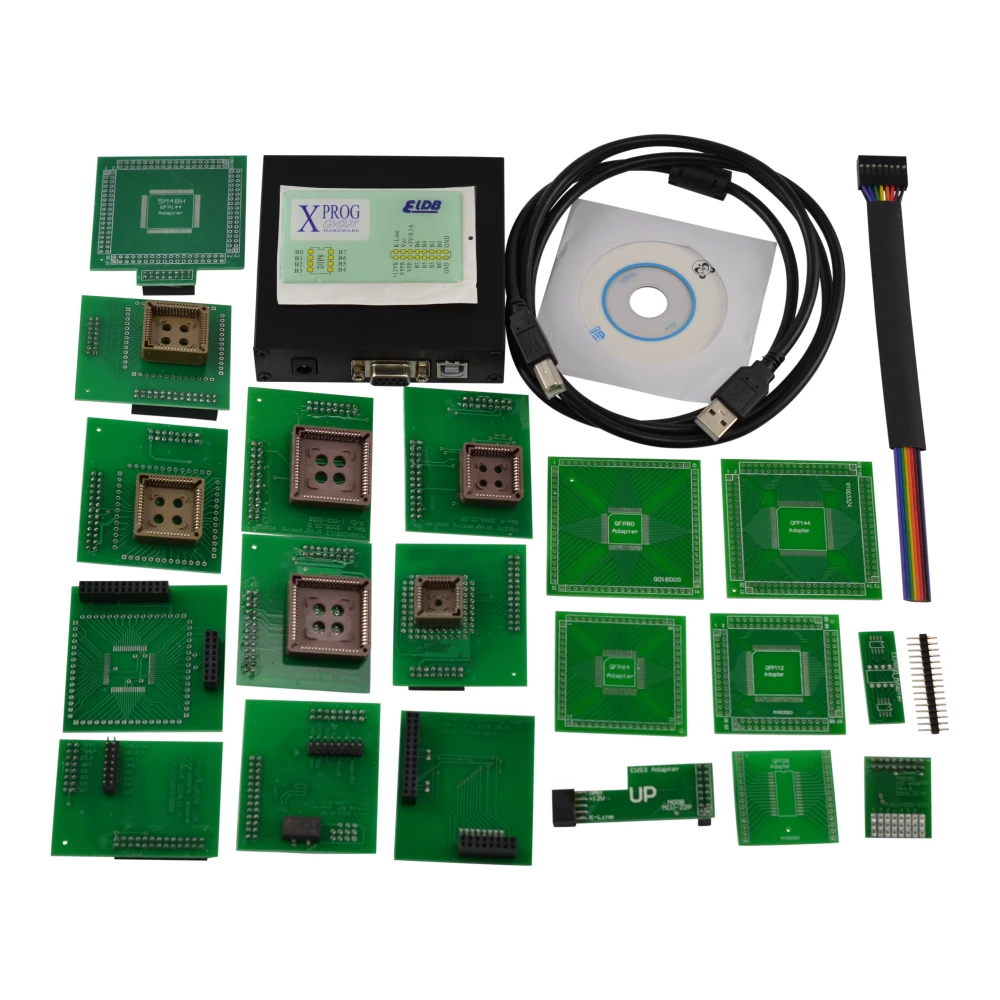
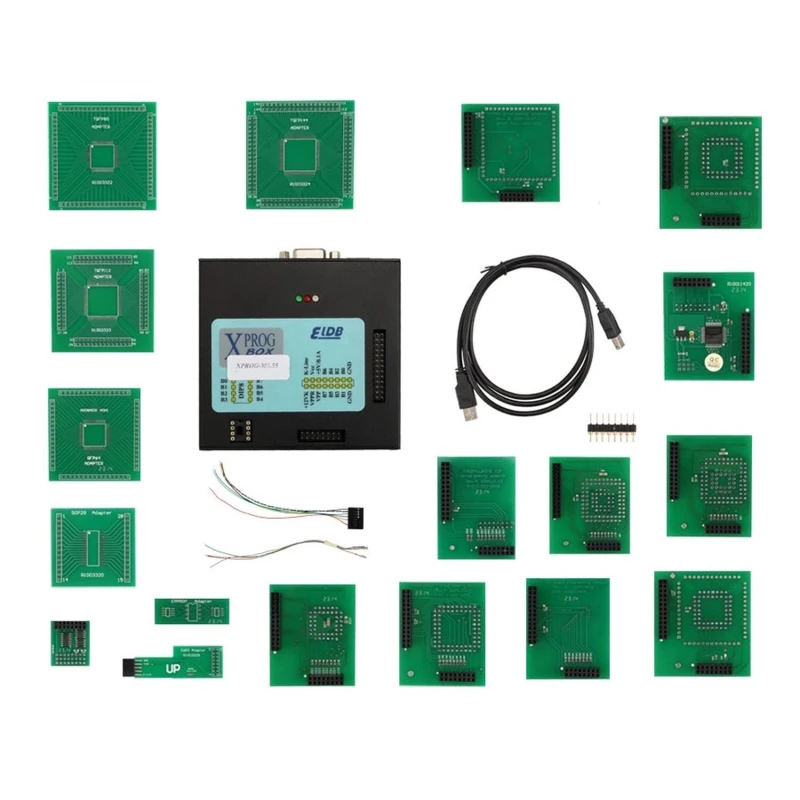
Neuer Xprog-M 5.55 Programmierer für Motorola- und Texas-Instruments-MCU
Marke: satkit
76,17€
Inkl. MwSt. (Exkl. MwSt.: 64,01€)
Begrenzter Vorrat
Standardlieferung
Mi, Apr 22 - Fr, Apr 24
Expresslieferung
Mo, Apr 20 - Di, Apr 21
30 Tage Rückgaberecht
Kostenlose Rücksendung innerhalb von 30 Tagen
Sichere Transaktion






Share:
Kostenlose Lieferung
Bei Bestellungen ab 300€
Einfache Rücksendung
30 Tage Rückgaberecht
Sichere Zahlung
100% sicherer Checkout
Qualitätsgarantie
Nur Originalprodukte
Überblick über den Xprog-M 5.55 Programmierer
Der Xprog-M 5.55 Programmierer ist ein fortschrittliches Werkzeug für die Programmierung von Mikrocontrollern (MCU) und seriellen EEPROM-Speichern. Kompatibel mit einer Vielzahl von Geräten aus den Motorola- und Texas-Instruments-Familien ist dieser Programmierer eine ideale Lösung für Profis, die Präzision und Vielseitigkeit in der Elektronikprogrammierung benötigen.
Wichtige Merkmale:
- Kompatible Programmierung von Motorola-Controllern 68HC05, 68HC08, 68HC11, 68HC(S)12 und Texas-Instruments-MCU TMS370/TMS374.
- Unterstützung für serielle EEPROMs wie 24Cxx, 25Cxx, 93Cxx, MDA2062, NVM3060 und weitere.
- Software-Autorisierungslizenzen für erweiterte Funktionen, einschließlich Expertenoption zum Überspringen des Sicherheitsbits und zum vollständigen Löschen von Geräten.
- Programmierung von BMW EWS3-Modulen über die Autorisierung der Diagnoselinie.
- Hochgeschwindigkeits-RS232-Schnittstelle, kompatibel mit USB-zu-RS232-Adaptern.
- Multifunktionsanschluss XPROG-m und 8-polige DIP-Fassung für In-Circuit-Programmierung.
- Unterstützt PLCC-, QFP- und LQFP-Adapter für die Programmierung im Schaltkreis.
- Hochgeschwindigkeits-Hardware-Engine (PLD) und spannungsregler, gesteuert über PWM und ADC.
Technische Daten:
- Integrierte Hochleistungs-MPU.
- Serieller Port kompatibel mit COM1 bis COM4, Geschwindigkeit bis 115K Baud.
- Betriebsspannung: 5V DC (externe Stromversorgung erforderlich).
- Leistungsaufnahme: 300 mA.
- PC-Anforderungen: Intel Pentium 60MHz oder höher, 32 MB RAM, 5 MB Festplattenspeicher, COM-Port oder USB-zu-RS232-Adapter.
- Kompatible Betriebssysteme: Windows 95/98, NT, ME, 2000, XP.
Typische Anwendung und Kompatibilität:
Dieser Programmierer ist ideal für Techniker und Profis, die mit der Programmierung von Mikrocontrollern und elektronischen Modulen in der Automobiltechnik und Industrieelektronik arbeiten. Er ist besonders nützlich für die Programmierung und Diagnose von BMW EWS3-Modulen sowie für die Programmierung von MCU und EEPROMs der Motorola- und Texas-Instruments-Familien.
Hervorgehobene kompatible Geräte:
- Motorola-Familie MC68HC05, MC68HC08, MC68HC11 und MC68HC(S)12.
- Texas-Instruments-Familie TMS370 und TMS374.
- Serielle EEPROM-Speicher 24Cxx, 25Cxx, 93Cxx, MDA2062 und weitere.
Wichtiger Hinweis: Der Xprog-M 5.55 ist nicht für bestimmte Motorola-Chips geeignet. Für diese werden spezialisierte Programmierer wie Motorola 908, 705 oder 912 empfohlen.
- Kompatibel mit Motorola-MCU 68HC05, 68HC08, 68HC11, 68HC(S)12 und Texas Instruments TMS370/TMS374
- Unterstützt die Programmierung von seriellen EEPROMs und BMW EWS3-Modulen
- Hochgeschwindigkeits-RS232-Schnittstelle, kompatibel mit USB-zu-RS232-Adaptern
- Multifunktionsanschluss und 8-polige DIP-Fassung für In-Circuit-Programmierung
- Hochgeschwindigkeits-Hardware-Engine und per PWM/ADC gesteuerte Spannungsregler
- PC-Anforderungen: Intel Pentium 60MHz, 32MB RAM, COM-Port oder USB-zu-RS232-Adapter
- Kompatibel mit Windows 95/98, NT, ME, 2000 und XP
- Softwarelizenzen für erweiterte Funktionen und Experten-Programmieroption
Kundenfragen & Antworten
Quines famílies de microcontroladors i memòries són compatibles amb el Xprog-M 5.55, i és possible programar dispositius d’altres marques?
El Xprog-M 5.55 és compatible amb microcontroladors de les famílies Motorola 68HC05, 68HC08, 68HC11 i 68HC/S12, així com Texas Instruments TMS370 i TMS374, a més d’EEPROMs sèrie com SGS-Thomson M35080. Actualment, el suport se centra en aquests fabricants; per a dispositius d’altres marques, es recomana comprovar les biblioteques i les actualitzacions de programari abans d’intentar la programació.
Quins connectors i requisits d’alimentació necessita el programador per funcionar correctament?
El Xprog-M 5.55 utilitza una interfície de comunicació RS232 (compatible amb adaptadors USB a RS232) per a la connexió amb el PC. El dispositiu normalment s’alimenta directament des del port, habitualment a 5 V, però alguns adaptadors externs poden requerir fins a 12 V CC (verifiqueu-ho a la documentació inclosa). És fonamental respectar la polaritat i els voltatges recomanats per evitar danys a la unitat.
Quines són les dimensions físiques del Xprog-M 5.55 i quins accessoris s’inclouen a la caixa?
El Xprog-M 5.55 té unes dimensions aproximades de 110 mm × 90 mm × 20 mm i un pes proper als 200 g. A la caixa s’inclouen el programador, el cable de comunicació (RS232 o adaptador USB-RS232), diversos adaptadors per a sockets PLCC, QFP i DIP de 8 pins, i un CD amb drivers i programari. La llista exacta pot variar segons el distribuïdor, per la qual cosa es recomana confirmar-ho en la compra.
Com es fa l’actualització del firmware i del programari del Xprog-M 5.55, i hi ha alguna limitació respecte a la compatibilitat futura?
Les actualitzacions de firmware del Xprog-M 5.55 es fan mitjançant la funció d’actualització integrada al programari Device Programmer Desktop. Tanmateix, les actualitzacions poden dependre de la llicència de programari adquirida. Cal tenir en compte que la compatibilitat amb maquinari i nous dispositius no està garantida indefinidament, i algunes actualitzacions poden no estar disponibles per a versions genèriques.
Quins són els errors d’ús més comuns i quines són les millors pràctiques per evitar danys en programar dispositius amb el Xprog-M 5.55?
Els errors més comuns inclouen connectar el xip amb l’orientació incorrecta, triar paràmetres de voltatge inadequats o desconnectar durant l’escriptura. Per evitar problemes, verifiqueu sempre l’orientació i el tipus de xip, feu servir els adaptadors correctes i no interrompeu l’alimentació ni la connexió durant el procés. És recomanable consultar el datasheet del component i fer una autocomprovació prèvia des del programari.
Which microcontroller and memory families are compatible with the Xprog-M 5.55, and is it possible to programme devices from other brands?
The Xprog-M 5.55 is compatible with microcontroller families Motorola 68HC05, 68HC08, 68HC11 and 68HC/S12, as well as Texas Instruments TMS370 and TMS374, plus serial EEPROMs such as SGS-Thomson M35080. Support is currently focused on these manufacturers; for devices from other brands, it is recommended to check the software libraries and updates before attempting programming.
What connectors and power requirements does the programmer need to work correctly?
The Xprog-M 5.55 uses an RS232 communication interface (compatible with USB-to-RS232 adapters) for connection to the PC. The device is usually powered directly from the port, normally at 5 V, but some external adapters may require up to 12 V DC (check the included documentation). It is essential to respect the recommended polarity and voltages to avoid damaging the unit.
What are the physical dimensions of the Xprog-M 5.55 and what accessories are included in the box?
The Xprog-M 5.55 measures approximately 110 mm × 90 mm × 20 mm and weighs around 200 g. The box includes the programmer, a communication cable (RS232 or USB-RS232 adapter), several adapters for PLCC, QFP and 8-pin DIP sockets, and a CD with drivers and software. The exact contents may vary by distributor, so it is recommended to confirm at the time of purchase.
How are the firmware and software updates for the Xprog-M 5.55 carried out, and are there any limitations regarding future compatibility?
Firmware updates for the Xprog-M 5.55 are carried out using the built-in update function in the Device Programmer Desktop software. However, updates may depend on the software licence purchased. Please note that compatibility with hardware and new devices is not guaranteed indefinitely, and some updates may not be available for generic versions.
What are the most common user errors and what are the best practices to avoid damage when programming devices with the Xprog-M 5.55?
Common mistakes include connecting the chip the wrong way round, selecting unsuitable voltage settings or disconnecting during writing. To avoid problems, always check the orientation and chip type, use the correct adapters, and do not interrupt power or the connection during the process. It is advisable to consult the component datasheet and carry out a pre-check in the software.
Kundenbewertung schreiben
Kunden, die diesen Artikel gekauft haben, kauften auch
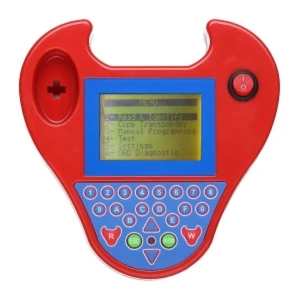
Zed Bull OBD2 Transponder-Programmiergerät mehrsprachig ohne Tokens, rot
57,12€
Nur noch 6 auf Lager
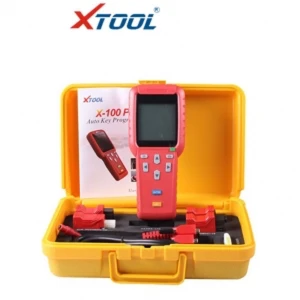
Xtool X100 Pro Schlüsselprogrammierer mit Updatefunktion und EEPROM-Adapter
273,71€
Nur noch 6 auf Lager
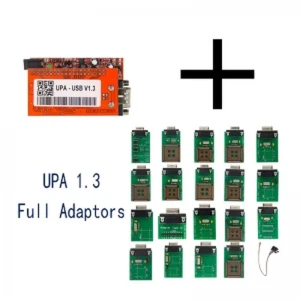
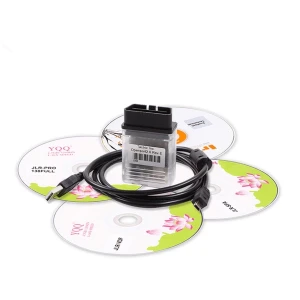
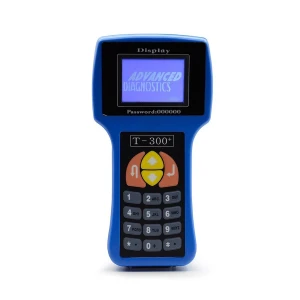
T300 Universaler Schlüsselprogrammierer V2017.17.8 - T300 Key Pro T-Code DIY
105,91€
Nur noch 1 auf Lager
Ihre zuletzt angesehenen Artikel

Akku für iPad Mini 1 - 3,72V 16.5Whr 4440mAh kompatibel A1432 A1445 A1454 A1455
13,09€
Nur noch 4 auf Lager


 Neuer Xprog-M 5.55 Programmierer für Motorola- und Texas-Instruments-MCU
76,17€