

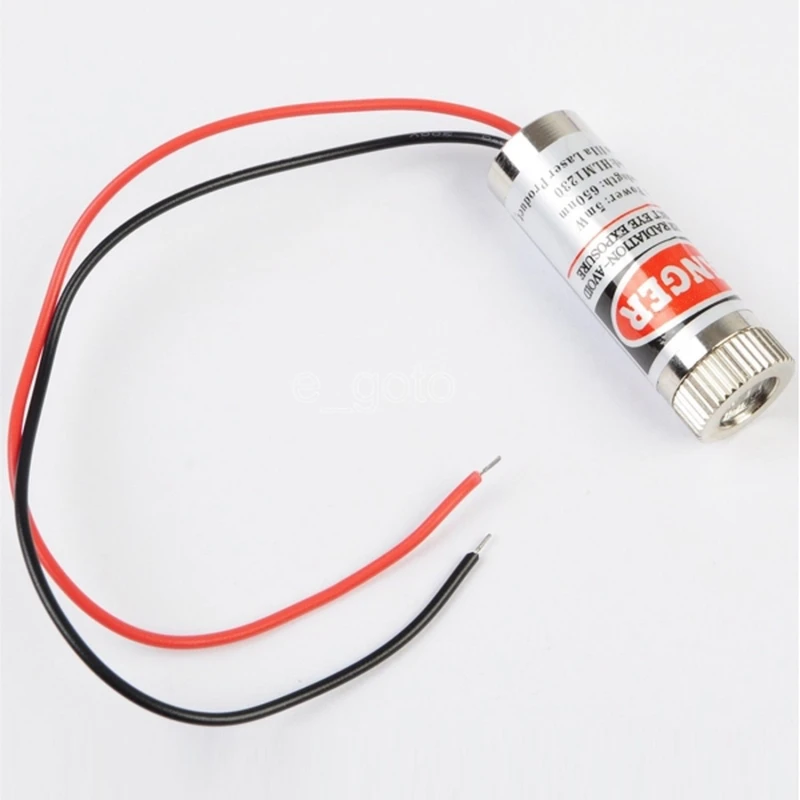
Rotes Laser-Modul 200mw 3V bis 5V mit Punktfokus für Elektronik
Marke: satkit
Inkl. MwSt. (Exkl. MwSt.: 4,00€)






Produktbeschreibung
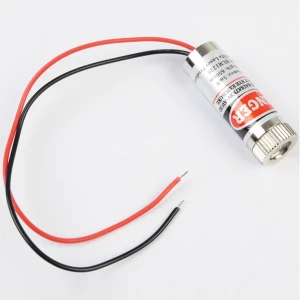
Das rote Laser-Modul 200mw von 3v bis 5v ist ein kompaktes Gerät, das einen hochintensiven roten Laserpunkt mit einer Wellenlänge von 650nm erzeugt. Dieses Modul ist ideal für elektronische Anwendungen, die Präzision und Leistung bei der Laseremission erfordern.
Hauptmerkmale
- Modell: LD-F650G03
- Ausgang: roter Punkt mit einer Wellenlänge von 650nm
- Kompakte Größe: F12.0x45mm
- Leichtes Gewicht: 18 Gramm
- Maximale Leistung: 200mw
- Gehäuse aus vernickeltem Messing für höhere Haltbarkeit
- Betriebsspannung: 3.0V bis 5V
- Maximaler Strom: 300 mA
Typische Anwendungen
Dieses Laser-Modul eignet sich für Elektronikprojekte, die einen leistungsstarken roten Laser mit Punktfokus benötigen. Es kann in Messsystemen, Ausrichtungsanwendungen, Signalgebung und anderen elektronischen Geräten verwendet werden, die einen hochwertigen Laser benötigen.
Kompatibilität
Kompatibel mit Schaltungen, die zwischen 3v und 5v betrieben werden, lässt sich dieses Modul leicht in verschiedene Elektronikprojekte und Steuerungssysteme integrieren, die einen leistungsstarken roten Laser erfordern.
Sicherheit
Es ist wichtig zu beachten, dass dieser Laser die Augen schädigen kann. Es wird empfohlen, den Laserstrahl nicht auf die Augen oder auf andere Personen zu richten. Für eine sichere Nutzung verwenden Sie spezielle Schutzbrillen zum Schutz vor Laserlicht.
- Maximale Leistung von 200mw für einen intensiven roten Laser
- Betriebsspannung zwischen 3.0V und 5V, kompatibel mit vielen Geräten
- Kompakte Größe F12.0x45mm und geringes Gewicht von 18 Gramm
- Gehäuse aus vernickeltem Messing für hohe Haltbarkeit
- Maximaler Strom von 300 mA für stabile Leistung
- Wellenlänge von 650nm für einen klaren und definierten roten Laserpunkt
Kundenfragen & Antworten
Quines dimensions exactes i quin tipus de materials té el mòdul, i com influeixen en la seva durabilitat?
El mòdul fa 12 mm de diàmetre per 45 mm de llarg i pesa 18 g. Està construït en llautó niquelat, cosa que proporciona bona conductivitat tèrmica i resistència a la corrosió, augmentant-ne la durabilitat en entorns industrials o experimentals.
Quina font d'alimentació recomanen per operar de manera segura aquest làser? Cal fer servir regulador de voltatge?
El làser requereix una alimentació estable entre 3,0 i 5,0 V DC i un corrent màxim de 300 mA. Es recomana una font regulada de baix ondulat i protecció contra pics. Si la font supera els 5 V, cal utilitzar un regulador per evitar danys. Es recomanen límits de tolerància estrictes per protegir el díode.
Quins són els principals riscos de seguretat en manipular aquest mòdul i quines normes s'han de seguir?
La principal amenaça és l'exposició directa o reflectida del làser als ulls, ja que 200 mW supera els límits segurs per a la visió. S'ha d'utilitzar protecció ocular específica per a 650 nm i complir la normativa IEC 60825-1 sobre dispositius làser. Es recomana no dirigir el feix cap a persones o animals i senyalitzar la zona de treball.
Quin manteniment requereix el mòdul làser i quins són els signes de desgast o mal funcionament més freqüents?
El manteniment es limita a mantenir nets la lent i la carcassa; es recomana no fer servir productes abrasius. Els símptomes de desgast inclouen disminució de la brillantor, canvi en la forma del punt i escalfament excessiu. La brutícia o dany a la lent i una alimentació inestable poden reduir-ne la vida útil.
What are the exact dimensions and material type of the module, and how do they affect durability?
The module measures 12 mm in diameter by 45 mm in length and weighs 18 g. It is made from nickel-plated brass, which provides good thermal conductivity and corrosion resistance, increasing durability in industrial or experimental environments.
What power supply do you recommend to operate this laser safely? Do I need a voltage regulator?
The laser requires a stable supply between 3.0 V and 5.0 V DC and a maximum current of 300 mA. A regulated, low-ripple supply with surge protection is recommended. If the supply exceeds 5 V, a regulator must be used to avoid damage. Strict tolerance limits are recommended to protect the diode.
What are the main safety risks when handling this module, and which standards should be followed?
The main hazard is direct or reflected laser exposure to the eyes, as 200 mW exceeds safe viewing limits. Specific 650 nm eye protection must be used and IEC 60825-1 laser device regulations should be followed. It is recommended not to direct the beam at people or animals and to mark the work area clearly.
What maintenance does the laser module require, and what are the most common signs of wear or malfunction?
Maintenance is limited to keeping the lens and housing clean; abrasive products should not be used. Signs of wear include reduced brightness, a change in the shape of the spot and excessive heating. Dirt or damage on the lens and unstable power supply can reduce service life.
What are the exact dimensions and material type of the module, and how do they affect its durability?
The module measures 12 mm in diameter by 45 mm in length and weighs 18 g. It is made from nickel-plated brass, which provides good thermal conductivity and corrosion resistance, increasing durability in industrial or experimental environments.
What power supply do you recommend to operate this laser safely? Do I need a voltage regulator?
The laser requires a stable supply between 3.0 V and 5.0 V DC and a maximum current of 300 mA. A regulated low-ripple supply with surge protection is recommended. If the supply exceeds 5 V, a regulator must be used to avoid damage. Strict tolerance limits are recommended to protect the diode.
Kundenbewertung schreiben
Kunden, die diesen Artikel gekauft haben, kauften auch


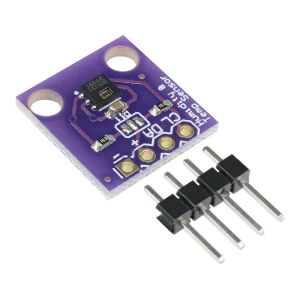
Temperatur- und Luftfeuchtigkeitssensor als Ersatz SI7021 HTU21D SHT21 SHT20 HDC1080


Ihre zuletzt angesehenen Artikel