


23,81€
Auf Lager

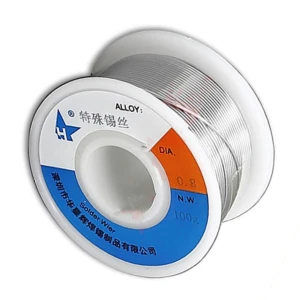
Lötzinn-Barren mit Blei 500 g für professionelle Lötarbeiten Mlink
Marke: Mlink
23,81€
Inkl. MwSt. (Exkl. MwSt.: 20,01€)
Auf Lager - Sofort versandfertig
Standardlieferung
Mi, Apr 22 - Fr, Apr 24
Expresslieferung
Mo, Apr 20 - Di, Apr 21
30 Tage Rückgaberecht
Kostenlose Rücksendung innerhalb von 30 Tagen
Sichere Transaktion






Share:
Kostenlose Lieferung
Bei Bestellungen ab 300€
Einfache Rücksendung
30 Tage Rückgaberecht
Sichere Zahlung
100% sicherer Checkout
Qualitätsgarantie
Nur Originalprodukte
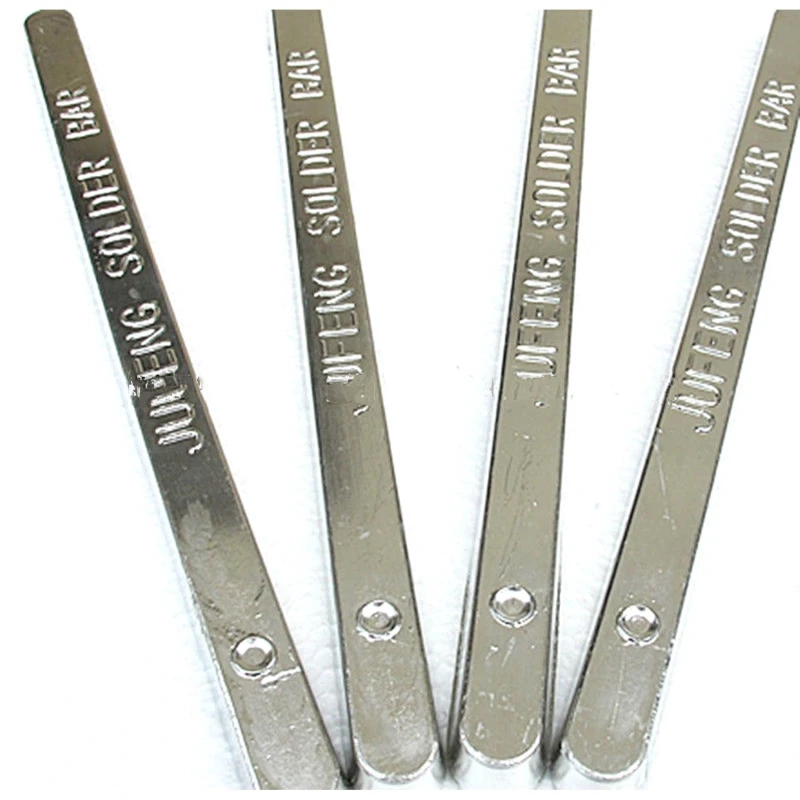
Lötzinn-Barren mit Blei 500 gr der Marke Mlink, entwickelt für professionelle Lötanwendungen und Hobby-Einsätze. Dieser Barren ist für die Verwendung in Tiegeln und solder pots geeignet und ermöglicht ein effizientes und gleichmäßiges Arbeiten.
Hauptmerkmale:
- Zusammensetzung: 63% Zinn (Sn) und 37% Blei (Pb), eine Standardmischung für das Löten mit guter Fließfähigkeit und Haftung.
- Ungefähre Abmessungen: 29 cm lang, 2 cm breit und 1 cm dick, für eine komfortable und praktische Handhabung.
- Gewicht: 500 Gramm, ideal für mittlere und große Lötprojekte.
Typische Anwendungen:
- Elektronik- und Elektrolötarbeiten.
- Reparatur von Bauteilen und Schaltungen.
- Anwendungen im Heimwerken und in der industriellen Wartung.
Kompatibilität: Kompatibel mit Lötstationen und Lötwerkzeugen, die Lötzinn mit Blei verwenden. Perfekt für Profis und Hobbyanwender, die ein zuverlässiges und hochwertiges Material benötigen.
Dieser Lötzinn-Barren mit Blei ist eine ausgezeichnete Wahl für alle, die ein langlebiges und effizientes Produkt für ihre Lötarbeiten suchen. Seine Zusammensetzung und Größe sorgen bei jeder Anwendung für optimale Ergebnisse.
- 63% Zinn und 37% Blei für effizientes Löten
- 500 Gramm Gewicht, ideal für viele Anwendungen
- Ungefähre Maße: 29cm x 2cm x 1cm für einfache Handhabung
- Kompatibel mit Tiegeln und Solder Pots
- Mlink Marke, bekannt für Lötwerkzeuge
Kundenfragen & Antworten
Quin és el principal avantatge de la barra d'estany 63/37 respecte a aliatges alternatius en soldadura electrònica?
L'aliatge 63% estany i 37% plom (eutèctic) té un punt de fusió baix (183 °C) i transiciona directament de sòlid a líquid, cosa que permet soldadures uniformes amb menys risc de soldadures fredes comparat amb altres proporcions com 60/40 o sense plom.
Quines consideracions de seguretat s'han de tenir en manipular aquesta barra d'estany amb plom?
El plom és tòxic; s'ha d'evitar la inhalació de vapors i el contacte prolongat amb la pell. Feu servir guants, ventilació adequada i renteu-vos les mans després. Compleix amb normatives generals, però no amb RoHS (restrictiva de plom).
Quines són les alternatives sense plom més utilitzades i com es compara el seu rendiment amb aquesta barra 63/37?
Els aliatges sense plom com Sn96.5/Ag3.0/Cu0.5 tenen punts de fusió més alts (~217 °C) i solen produir soldadures menys brillants i lleugerament menys dúctils. Aquesta barra 63/37 es prefereix per la facilitat d'ús i l'acabat, tot i que no és apta per a aplicacions RoHS.
What is the main advantage of 63/37 solder wire compared with alternative alloys in electronics soldering?
The 63% tin and 37% lead alloy (eutectic) has a low melting point (183 °C) and changes directly from solid to liquid, allowing consistent solder joints with a lower risk of cold joints compared with other ratios such as 60/40 or lead-free alloys.
What safety considerations should be taken when handling this leaded solder wire?
Lead is toxic; inhalation of fumes and prolonged skin contact should be avoided. Use gloves, ensure adequate ventilation and wash your hands afterwards. It complies with general regulations, but not with RoHS (lead-restricted) requirements.
What are the most common lead-free alternatives and how does their performance compare with this 63/37 wire?
Lead-free alloys such as Sn96.5/Ag3.0/Cu0.5 have higher melting points (~217 °C) and usually produce less shiny, slightly less ductile solder joints. This 63/37 wire is preferred for ease of use and finish, although it is not suitable for RoHS applications.
What is the main advantage of 63/37 solder wire compared with alternative alloys in electronics soldering?
The 63% tin and 37% lead alloy (eutectic) has a low melting point (183 °C) and changes directly from solid to liquid, allowing even solder joints with a lower risk of cold joints compared with other ratios such as 60/40 or lead-free alloys.
What safety considerations should be taken when handling this lead solder wire?
Lead is toxic; inhalation of fumes and prolonged skin contact should be avoided. Use gloves, ensure adequate ventilation and wash your hands afterwards. It complies with general regulations, but not with RoHS (lead-restrictive) requirements.
What are the most common lead-free alternatives and how does their performance compare with this 63/37 wire?
Lead-free alloys such as Sn96.5/Ag3.0/Cu0.5 have higher melting points (~217 °C) and usually produce less shiny and slightly less ductile joints. This 63/37 wire is preferred for ease of use and finish, although it is not suitable for RoHS applications.
Vad är den främsta fördelen med 63/37-tenn jämfört med alternativa legeringar vid elektronisk lödning?
Legeringen 63% tenn och 37% bly (eutektisk) har låg smältpunkt (183 °C) och övergår direkt från fast till flytande form, vilket möjliggör jämna lödningar med lägre risk för kalla lödningar jämfört med andra proportioner som 60/40 eller blyfria alternativ.
Kundenbewertung schreiben
Kunden, die diesen Artikel gekauft haben, kauften auch

Ihre zuletzt angesehenen Artikel

 Lötzinn-Barren mit Blei 500 g für professionelle Lötarbeiten Mlink
23,81€