



5,59€
Auf Lager

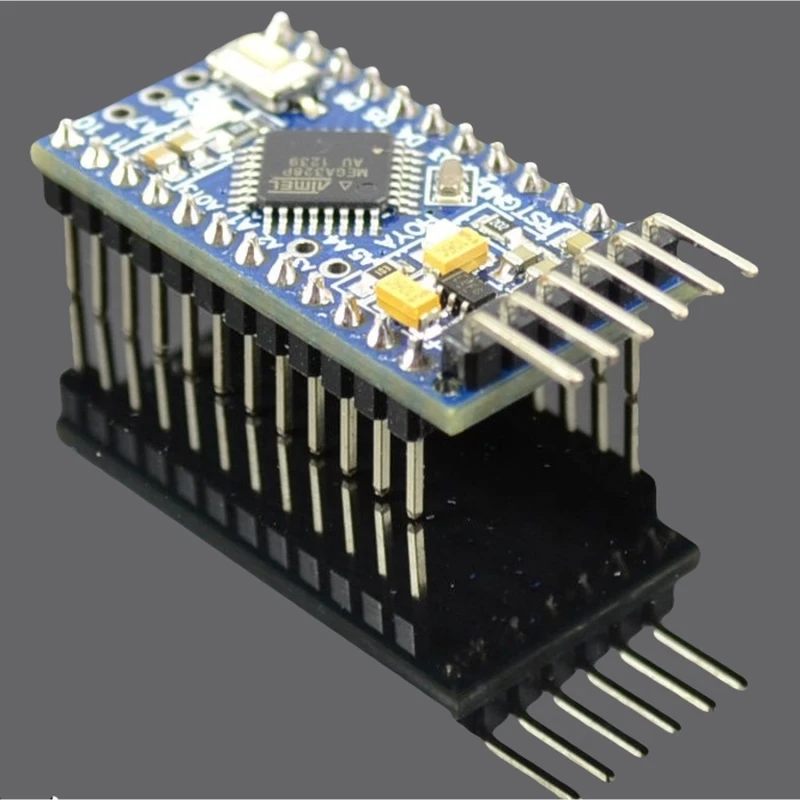
ATmega328P 5V 16MHz kompatibel mit Arduino Pro Mini für Elektronikprojekte
Marke: satkit
5,59€
Inkl. MwSt. (Exkl. MwSt.: 4,70€)
Begrenzter Vorrat
Standardlieferung
Mi, Apr 22 - Fr, Apr 24
Expresslieferung
Mo, Apr 20 - Di, Apr 21
30 Tage Rückgaberecht
Kostenlose Rücksendung innerhalb von 30 Tagen
Sichere Transaktion






Share:
Kostenlose Lieferung
Bei Bestellungen ab 300€
Einfache Rücksendung
30 Tage Rückgaberecht
Sichere Zahlung
100% sicherer Checkout
Qualitätsgarantie
Nur Originalprodukte
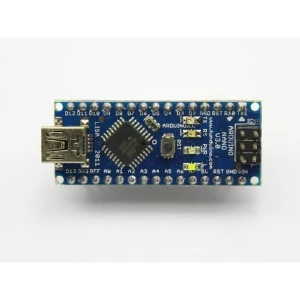
Das ATmega328P 5V 16MHz kompatibel mit Arduino Pro Mini ist eine miniaturisierte, kompatible Version für Arduino Mini und Arduino Duemilanove und ideal für Entwickler sowie Elektronikbegeisterte, die einen kompakten und effizienten Mikrocontroller für ihre Projekte suchen.
Dieses Gerät verfügt über einen ATmega328-Chip, der mit 16MHz über einen externen Quarzoszillator arbeitet und eine Toleranz von 0.5% gewährleistet. Der Bootloader ist ab Werk vorinstalliert, was die Programmierung und die schnelle Entwicklung von Prototypen erleichtert.
Ein Hauptmerkmal ist, dass keine Stiftleisten verlötet sind, sodass der Nutzer nur die für sein Projekt benötigten Pins anlöten kann. Das bietet Flexibilität und individuelle Anpassung.
- Chip: ATmega328 mit 16MHz und externem Quarzoszillator
- Betriebsspannung: 5V mit integriertem Regler
- Schutz: gegen Überlast und Verpolung
- Maximaler Strom: 150mA pro Ausgang
- DC-Eingang: von 5V bis 12V
- Anzeige: Power- und Status-LED
- Abmessungen: 18x33mm
- Gewicht: 2 Gramm
Dieses Modell eignet sich perfekt für digitale Steuerungsprojekte, schnelles Prototyping und DIY-Elektronikdesign. Es ist mit einer Vielzahl von Zubehör und Programmierwerkzeugen kompatibel, einschließlich FTDI-Kabeln, die den Anschluss und das Aufspielen von Code erleichtern.
Dank seiner kompakten Größe und des geringen Gewichts ist es ideal für Anwendungen mit begrenztem Platz, wie tragbare Geräte oder Integrationen in größere Systeme.
Außerdem können Nutzer dank des offenen, mit Arduino kompatiblen Designs die große Community und die verfügbaren Ressourcen dieses Ökosystems nutzen, was das Lernen und die Umsetzung komplexer Projekte erleichtert.
Wenn Sie ein kompatibles und preiswertes Arduino Pro Mini-Board für Ihre Elektronikprojekte suchen, ist dieses ATmega328P 5V 16MHz eine ausgezeichnete Wahl, die Qualität, Funktionalität und Vielseitigkeit vereint.
- ATmega328-Chip mit 16MHz und externem Quarzoszillator (Toleranz 0.5%)
- Ab Werk vorinstallierter Bootloader für einfache Programmierung
- Integrierter 5V-Regler mit Überlastschutz
- Verpolungsschutz für mehr Sicherheit
- Maximaler Strom von 150mA pro Ausgang
- DC-Eingang von 5V bis 12V für flexible Stromversorgung
- Power- und Status-LEDs
- Kompakte Abmessungen von 18x33mm und geringes Gewicht von 2 Gramm
- Keine verlöteten Pins, nur die benötigten Pins anlöten
Kundenfragen & Antworten
Quines són les especificacions exactes d’alimentació i les toleràncies tèrmiques recomanades per a aquest mòdul?
Funciona amb una tensió d’entrada DC entre 5 V i 12 V, regulant internament a 5 V per al microcontrolador. El cristall extern té una tolerància del 0,5%. Suporta temperatures de -40 °C a +85 °C (segons el datasheet de l’ATmega328P), però és recomanable mantenir-lo entre 0 °C i 70 °C per a un ús prolongat.
Quins mètodes hi ha per programar l’Atmega328p Pro Mini si no inclou interfície USB incorporada?
La programació requereix un convertidor UART-USB extern basat en FTDI o similar, connectat als pins TX, RX, VCC i GND. Es recomana utilitzar el pin DTR per permetre el reset automàtic del bootloader. No inclou pins soldats, de manera que és possible soldar només els necessaris segons l’aplicació.
Quins límits té pel que fa al corrent subministrat per cada sortida i quina protecció elèctrica incorpora?
Cada pin digital pot subministrar fins a 40 mA, però s’aconsella no superar 20 mA per pin ni 150 mA en total al conjunt de sortides, per evitar sobreescalfaments o fallades. Inclou protecció contra sobrecàrrega i contra inversió de polaritat a l’entrada d’energia.
El producte inclou garantia i hi ha disponibilitat de recanvis o suport tècnic en cas de fallades?
Aquest tipus de mòduls sol oferir una garantia mínima de funcionament en recepció, però no compta amb un suport postvenda extens ni recanvis oficials, atès que és una placa compatible i d’integració DIY. Es recomana adquirir mòduls extra en projectes crítics.
What are the exact power specifications and recommended thermal tolerances for this module?
It operates with a DC input voltage between 5 V and 12 V, regulating internally to 5 V for the microcontroller. The external crystal has a 0.5% tolerance. It supports temperatures from -40 °C to +85 °C (according to the ATmega328P datasheet), but it is advisable to keep it between 0 °C and 70 °C for prolonged use.
What methods are there to programme the Atmega328p Pro Mini if it does not include a built-in USB interface?
Programming requires an external UART-USB converter based on FTDI or similar, connected to the TX, RX, VCC and GND pins. It is recommended to use the DTR pin to allow the bootloader to auto-reset. It does not include soldered pins, so you can solder only the ones needed for your application.
What are its current limits per output and what electrical protection does it include?
Each digital pin can supply up to 40 mA, but it is advisable not to exceed 20 mA per pin or 150 mA in total across all outputs, to avoid overheating or faults. It includes overload protection and reverse polarity protection on the power input.
Does the product include a warranty and is spare parts or technical support available in the event of faults?
This type of module usually offers a minimum guarantee of functionality on receipt, but it does not come with extensive after-sales support or official spare parts, as it is a compatible DIY integration board. It is recommended to buy extra modules for critical projects.
What are the exact power specifications and recommended thermal tolerances for this module?
It operates with a DC input voltage between 5 V and 12 V, regulating internally to 5 V for the microcontroller. The external crystal has a 0.5% tolerance. It supports temperatures from -40 °C to +85 °C (according to the ATmega328P datasheet), but it is recommended to keep it between 0 °C and 70 °C for prolonged use.
What methods are there to program the Atmega328p Pro Mini if it does not include a built-in USB interface?
Programming requires an external UART-USB converter based on FTDI or similar, connected to the TX, RX, VCC and GND pins. It is recommended to use the DTR pin to allow the bootloader to auto-reset. It does not include soldered pins, so you can solder only those needed for your application.
Kundenbewertung schreiben
Kunden, die diesen Artikel gekauft haben, kauften auch
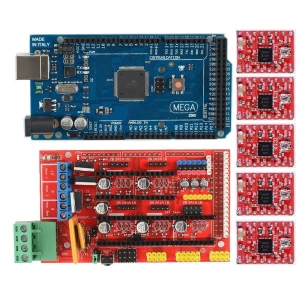
Reprap RAMPS 1.4 + Arduino Mega + 5 A4988 Stepper-Treiber für 3D-Drucker
31,29€
Nur noch 6 auf Lager
Ihre zuletzt angesehenen Artikel
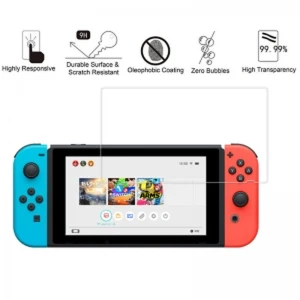
Displayschutz aus gehärtetem Glas für Nintendo Switch mit maximalem Schutz
2,98€
Nur noch 6 auf Lager
 ATmega328P 5V 16MHz kompatibel mit Arduino Pro Mini für Elektronikprojekte
5,59€