



2,38€
Auf Lager


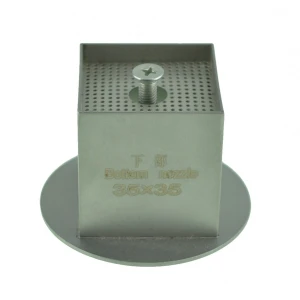
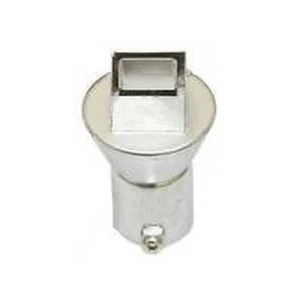
Lötspitzen-Ersatz Mlink S4 MOD 200-4C kompatibel mit Quick 203h und Atten at150d
Marke: Mlink
2,38€
Inkl. MwSt. (Exkl. MwSt.: 2,00€)
Auf Lager - Sofort versandfertig
Standardlieferung
Mi, Apr 22 - Fr, Apr 24
Expresslieferung
Mo, Apr 20 - Di, Apr 21
30 Tage Rückgaberecht
Kostenlose Rücksendung innerhalb von 30 Tagen
Sichere Transaktion






Share:
Kostenlose Lieferung
Bei Bestellungen ab 300€
Einfache Rücksendung
30 Tage Rückgaberecht
Sichere Zahlung
100% sicherer Checkout
Qualitätsgarantie
Nur Originalprodukte
Der Lötspitzen-Ersatz Mlink S4 MOD 200-4C ist ein unverzichtbares Zubehör, um die Leistung Ihrer Lötstation zu erhalten und zu optimieren. Entwickelt für Präzision und Langlebigkeit, ist dieser Ersatz mit mehreren Hochfrequenz-Lötstationen kompatibel und damit eine vielseitige Wahl für Profis und Elektronik-Enthusiasten.
Kompatibilität:
- Mlink S4
- Quick 203h
- Atten at150d
- Andere Hochfrequenz-Induktionsstationen, die Spitzen vom Typ 200 verwenden
Hauptmerkmale:
- Spezifisches Design für Spitzen vom Typ 200, das eine perfekte Passform und optimale Leistung gewährleistet.
- Hochwertiges Material für eine lange Lebensdauer und hohe Verschleißfestigkeit.
- Einfache Installation und schneller Austausch, um Ausfallzeiten bei der Arbeit zu minimieren.
Typische Anwendungen:
- Elektronikreparaturen, die Präzision und Temperaturkontrolle erfordern.
- Austausch verschlissener Spitzen in kompatiblen Lötstationen.
- Anwendungen beim Löten kleiner und empfindlicher Bauteile.
Technische Kompatibilität:
Dieser Ersatz ist für Lötstationen mit Spitzen vom Typ 200 ausgelegt, insbesondere für Hochfrequenz-Induktionsmodelle. Sein Design sorgt für perfekte Kompatibilität mit den Modellen Mlink S4, Quick 203h und Atten at150d sowie weiteren.
Mit diesem Ersatz können Sie die Effizienz und Qualität Ihrer Lötarbeiten erhalten und eine professionelle sowie langlebige Arbeit sicherstellen.
- Kompatibel mit Mlink S4, Quick 203h und Atten at150d
- Für Hochfrequenz-Spitzen vom Typ 200 entwickelt
- Robustes Material für lange Lebensdauer
- Einfache Montage und schneller Austausch
- Ideal für präzise Elektronikreparaturen
Kundenfragen & Antworten
De quin material està feta la punta i com influeix en la durabilitat i la transferència tèrmica?
Aquesta punta sol estar fabricada en coure recobert de ferro i niquelat amb una capa final d’estany. Aquesta combinació maximitza la conducció tèrmica i la resistència al desgast; tanmateix, el recobriment exterior es pot desgastar amb soldadures agressives o neteges inadequades, afectant la vida útil.
Quin és el procés recomanat per a la instal·lació de la punta a l’estació de soldadura?
Es recomana esperar que el cautí estigui fred abans d’instal·lar la punta. Simplement retireu la punta anterior i feu lliscar la nova assegurant un bon ajust sense forçar. Un cop col·locada, engegueu l’estació i deixeu que la punta s’estabilitzi a la temperatura de treball abans d’utilitzar-la.
Hi ha límits de temperatura d’operació recomanats per a aquesta punta?
Sí, la majoria de les puntes tipus 200 suporten temperatures entre 200 °C i 480 °C. Evitar superar aquest rang ajuda a prevenir el deteriorament prematur del recobriment de la punta i manté un rendiment òptim en transferències tèrmiques.
Com es compara la Mlink S4 Mod 200-4c davant de puntes originals d’estacions Quick o Atten en termes de precisió i vida útil?
En condicions normals d’ús, la Mlink S4 Mod 200-4c ofereix una precisió i una vida útil raonablement similars a les puntes originals de Quick o Atten, sempre que s’utilitzin materials i processos de fabricació equivalents. Tanmateix, la capacitat de retenció de temperatura pot variar lleugerament segons el gruix del recobriment i l’ajust al cautí.
How does the Mlink S4 Mod 200-4c compare with original Quick or Atten station tips in terms of precision and service life?
Under normal use, the Mlink S4 Mod 200-4c offers reasonably similar precision and service life to original Quick or Atten tips, provided equivalent materials and manufacturing processes are used. However, heat retention may vary slightly depending on coating thickness and fit in the soldering iron.
What materials make up the Mlink S4 Mod 200-5c soldering tip and how do they affect heat transfer?
The tip is mainly made of copper with iron coating and, in some models, an additional layer of nickel and oxide. This combination provides high thermal conductivity (copper) and resistance to wear and corrosion (iron/nickel), which favours efficient heat transfer and longer service life under normal electronic soldering conditions.
What is the estimated service life of the tip and how can its durability be extended?
Service life varies depending on use and maintenance, but typically exceeds 40,000 thermal cycles under controlled conditions. To extend it, it is crucial to clean the tip after each use, avoid overheating (ideally ≤400 °C) and use compatible solder and flux.
Are there any performance or compatibility differences compared with generic tips or tips from other systems?
This tip offers greater thermal precision than generic alternatives thanks to its specific compatibility with high-frequency 200-type stations. Non-certified tips may damage the heater or provide poorer heat transfer, so approved replacements are preferable for professional applications.
What material is the tip made of and how does it influence durability and thermal transfer?
This tip is usually made of copper coated with iron and nickel-plated with a final tin layer. This combination maximises thermal conductivity and wear resistance; however, the outer coating can wear with aggressive soldering or improper cleaning, affecting service life.
What is the recommended process for installing the tip in the soldering station?
It is recommended to wait until the soldering iron is cold before fitting the tip. Simply remove the old tip and slide the new one in, ensuring a good fit without forcing it. Once fitted, switch on the station and allow the tip to stabilise at working temperature before use.
Kundenbewertung schreiben
Kunden, die diesen Artikel gekauft haben, kauften auch


Ihre zuletzt angesehenen Artikel
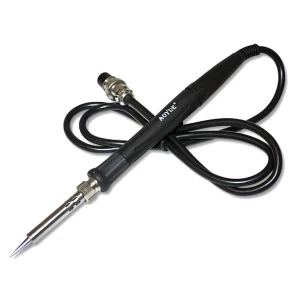
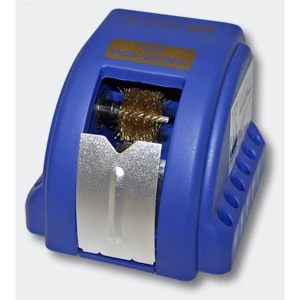
Aoyue 128 elektrischer Spitzenreiniger für Lötkolben zur effektiven Reinigung und Politur
52,00€
Nicht auf Lager
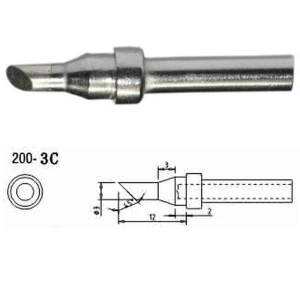
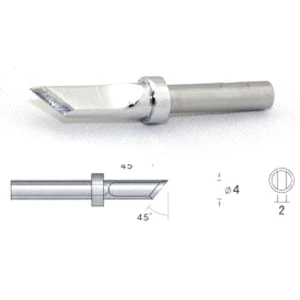
 Lötspitzen-Ersatz Mlink S4 MOD 200-4C kompatibel mit Quick 203h und Atten at150d
2,38€