



3,45€
Auf Lager
Hochwertige große antistatische Reballing-Bürste Typ-11 Mlink
Marke: Mlink
3,45€
Inkl. MwSt. (Exkl. MwSt.: 2,90€)
Begrenzter Vorrat
Standardlieferung
Mi, Apr 22 - Fr, Apr 24
Expresslieferung
Mo, Apr 20 - Di, Apr 21
30 Tage Rückgaberecht
Kostenlose Rücksendung innerhalb von 30 Tagen
Sichere Transaktion






Share:
Kostenlose Lieferung
Bei Bestellungen ab 300€
Einfache Rücksendung
30 Tage Rückgaberecht
Sichere Zahlung
100% sicherer Checkout
Qualitätsgarantie
Nur Originalprodukte
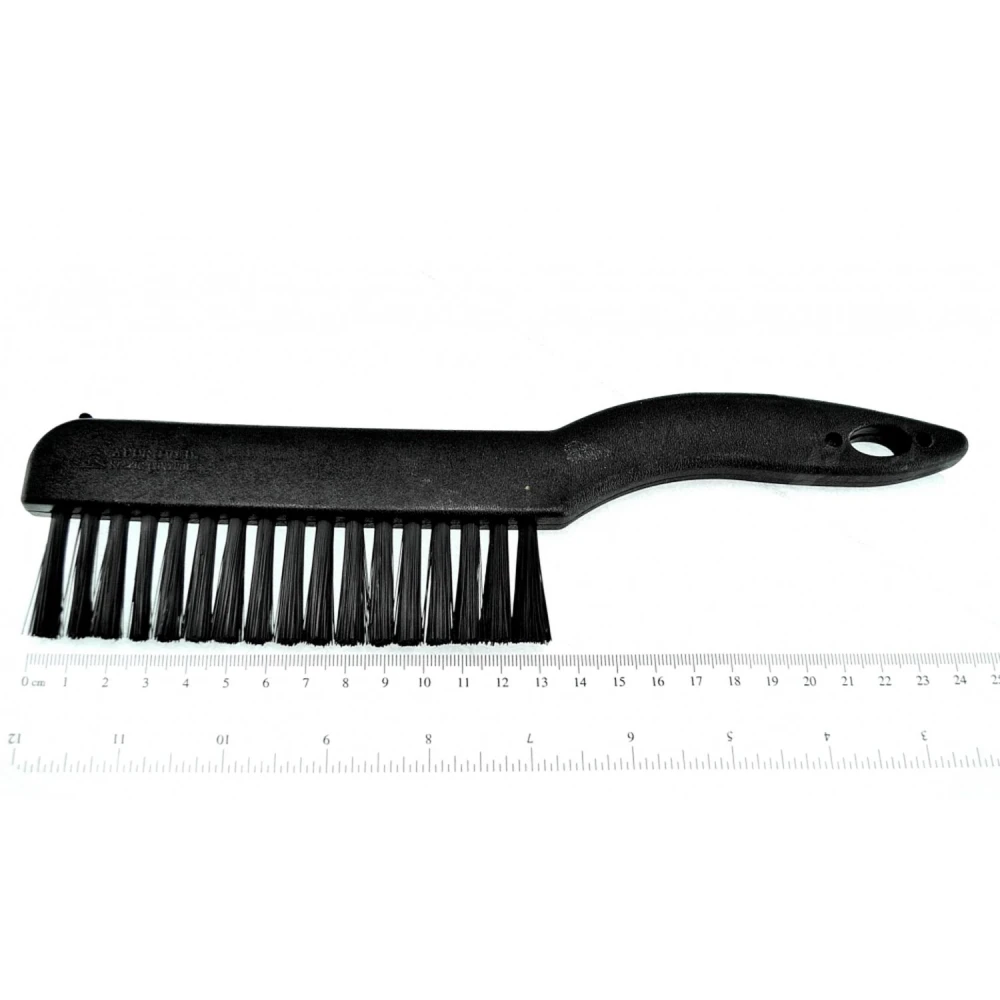
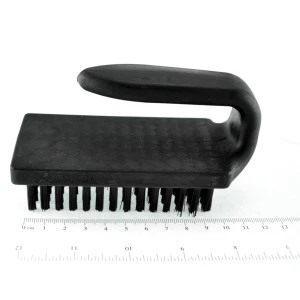
Die große antistatische Reballing-Bürste Typ-11 ist ein unverzichtbares Werkzeug für Techniker und Profis, die bei der Reparatur und Wartung von Elektronikplatinen mit der Reballing-Technik arbeiten. Hergestellt von Mlink, wurde diese Bürste speziell dafür entwickelt, PCB-Oberflächen (Leiterplatten) sicher und effektiv zu reinigen und dabei die Entstehung statischer Elektrizität zu vermeiden, die empfindliche Bauteile beschädigen könnte.
Hauptmerkmale:
- Antistatische Behandlung der Borsten zur Vermeidung elektrischer Entladungen während der Reinigung.
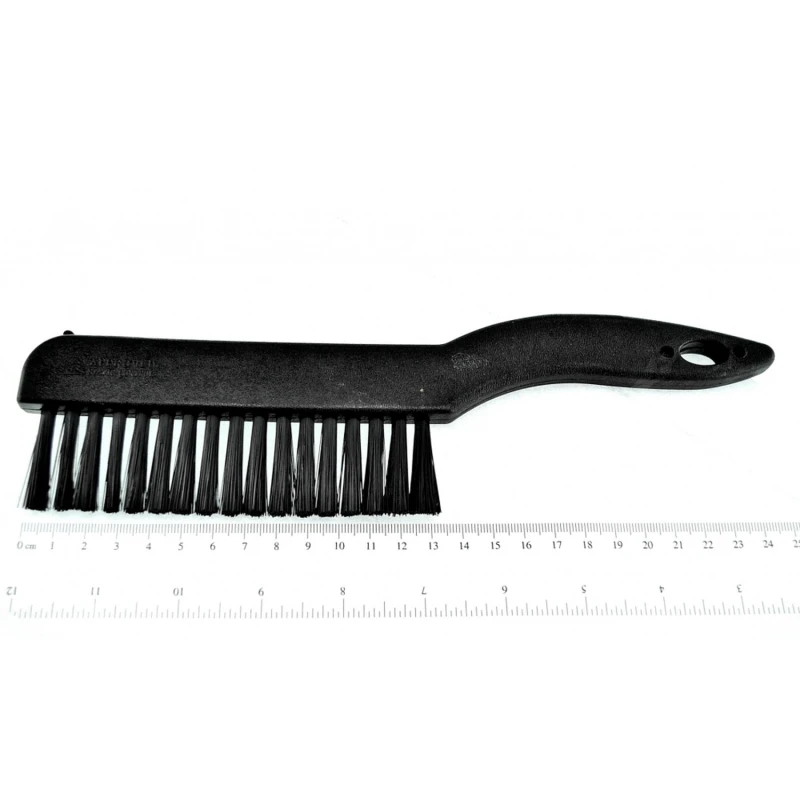
- Gesamtlänge der Bürste: 250 mm, für eine komfortable und präzise Handhabung.
- Borstenlänge: 33 mm, mit einer Breite von 130 mm zum Abdecken größerer Flächen.
- Ideal für die Reinigung vor dem Reballing, damit die Oberflächen frei von Staub, Rückständen und Verunreinigungen sind.
Typische Anwendungen:
- Reinigung von Leiterplatten vor dem Aufbringen von Lötkugeln im Reballing-Verfahren.
- Entfernung von Staub und Partikeln, die die Lötqualität beeinträchtigen können.
- Vorbereitung von Oberflächen für Reparaturarbeiten an BGA-Bauteilen und anderen elektronischen Geräten.
Kompatibilität und Empfehlungen:
Diese Bürste ist mit jeder Art von PCB kompatibel und besonders nützlich in Elektronik-Reparaturwerkstätten, Wartungslaboren und Lötstationen, die antistatische Werkzeuge zum Schutz empfindlicher elektronischer Bauteile benötigen.
Für eine optimale Leistung wird empfohlen, die Bürste mit sanften Bewegungen zu verwenden und übermäßigen Druck zu vermeiden, der die Platine beschädigen könnte.
Die große antistatische Reballing-Bürste Typ-11 ist ein zuverlässiges und preiswertes Werkzeug, um Qualität und Sicherheit bei elektronischen Reparaturprozessen zu verbessern.
- Antistatisch behandelte Borsten zur Vermeidung elektrischer Entladungen
- Gesamtlänge von 250 mm für komfortable Handhabung
- Borsten mit 33 mm Länge und 130 mm Breite für große Flächen
- Ideal zur Reinigung von PCBs vor dem Reballing
- Kompatibel mit allen Arten von Leiterplatten
Kundenfragen & Antworten
Quina és la durabilitat esperada del raspall i quin manteniment requereix per allargar-ne la vida útil?
Amb ús i neteja regulars, el raspall manté la seva capacitat antiestàtica i l’estructura de les truges durant centenars de cicles; es recomana rentar-lo amb aigua tèbia i assecar-lo a l’aire després de cada ús.
Què inclou exactament la caixa i quines són les dimensions del cable?
La caixa conté el cable F&M Bus per a Nokia 7650 i una eina per facilitar la connexió al telèfon. La longitud típica del cable és d’aproximadament 1,2 metres; el pes del conjunt no supera els 100 grams.
Requereix algun programari o port especial per funcionar correctament?
El cable requereix un port sèrie RS232 estàndard (DB9) a l’ordinador i programari compatible, com Logomanager, per operar en mode FBUS. No és compatible amb ports USB natius sense adaptador sèrie-USB.
Hi ha alternatives modernes que es comparin en funcionalitat amb el cable F&M Bus per a aquest model?
Per al Nokia 7650 hi ha pocs reemplaços actuals; la majoria dels cables alternatius utilitzen estàndards antics i aconsegueixen funcions similars en models específics. Els adaptadors USB-RS232 poden afegir compatibilitat, però la funcionalitat depèn dels drivers i del suport del programari.
Què inclou exactament el contingut del paquet i quines eines extra es requereixen per a la instal·lació?
El paquet inclou la targeta WiFi de recanvi amb lector Memory Stick i el socket per a auriculars, en una sola placa. Les eines per a la instal·lació (tornavís de precisió, pinces antiestàtiques i pasta de contacte) no estan incloses i són necessàries per fer un muntatge segur.
What material are the bristles made from and how does this contribute to the brush's anti-static property?
The bristles are usually made from conductive synthetic fibres, such as nylon treated with carbon filaments, which allows electrostatic charges to dissipate and reduces the risk of ESD damage to sensitive circuits.
What are the exact dimensions of the brush and can it be handled precisely in small PCB areas?
The brush measures 250 mm in total length, with bristles 33 mm long and 130 mm wide; its large size allows wide areas to be covered quickly, but it may be less suitable for fine cleaning on very small tracks.
Are there any limitations regarding compatible solvents or cleaning products for the brush?
We recommend avoiding highly corrosive solvents, such as pure acetone, which can degrade synthetic bristles. Isopropyl alcohol (<99%) and deionised water are commonly compatible.
Does the brush comply with any international standard relating to ESD protection in electronic environments?
Although it follows best practices for ESD, there is no explicit information on specific certifications such as ANSI/ESD S20.20 or IEC 61340-5-1. We recommend confirming certification requirements in critical cases.
What is the expected durability of the brush and what maintenance is required to extend its service life?
With regular use and cleaning, the brush maintains its anti-static capability and bristle structure for hundreds of cycles; we recommend washing with warm water and air drying after each use.
Kundenbewertung schreiben
Kunden, die diesen Artikel gekauft haben, kauften auch
Ihre zuletzt angesehenen Artikel
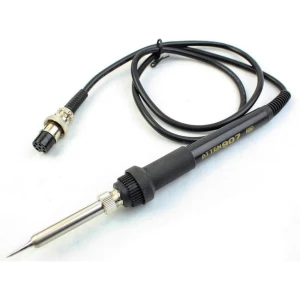
Atten 907 Lötkolben-Ersatz 7 Pins 50W für Atten 8586 und Mlink H2, altes Modell
11,90€
Nur noch 5 auf Lager
 Hochwertige große antistatische Reballing-Bürste Typ-11 Mlink
3,45€